
Understanding El Niño: A Comprehensive Guide
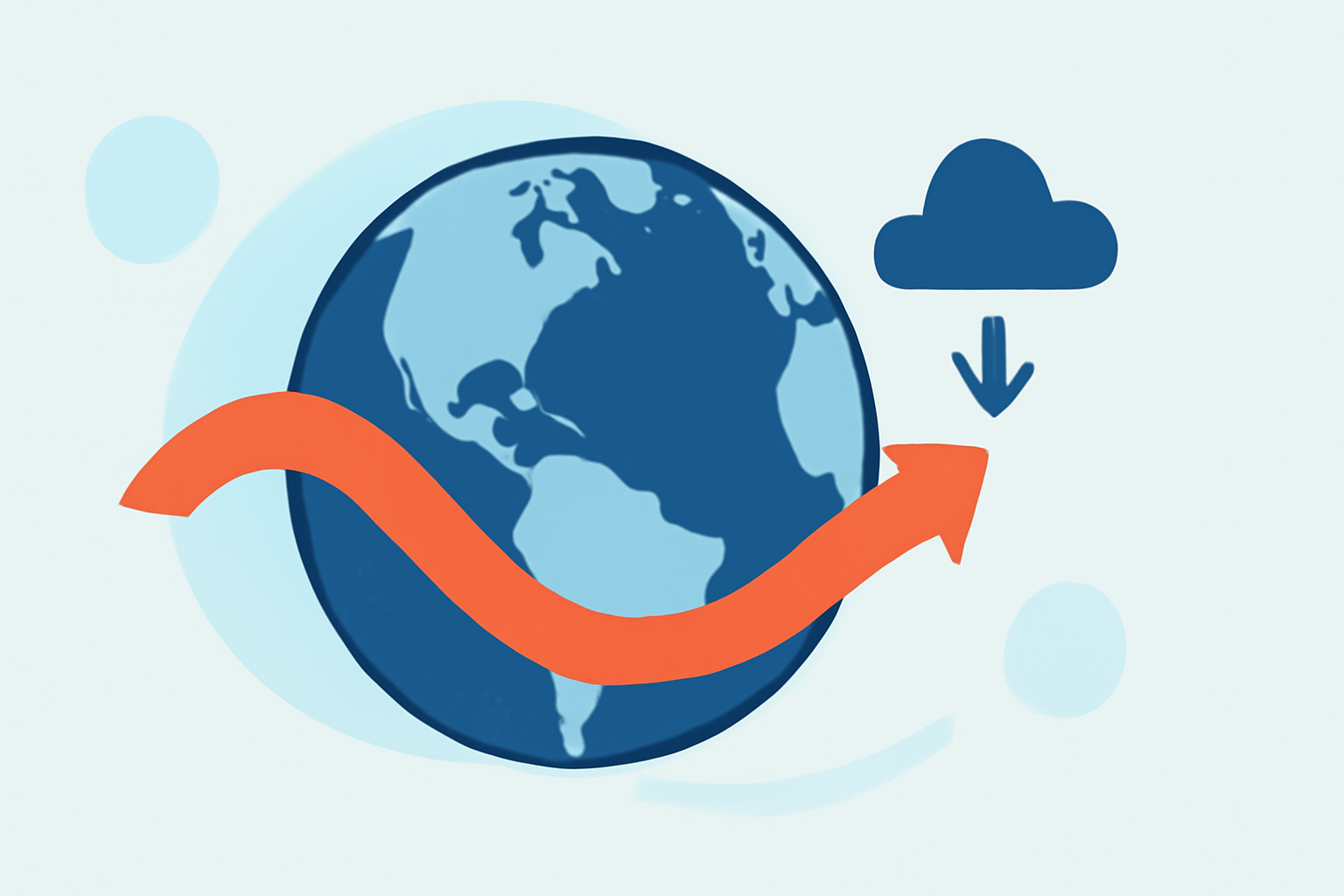
El Niño is a climatic phenomenon characterized by the periodic warming of sea surface temperatures in the central and eastern equatorial Pacific Ocean. This warming disrupts normal atmospheric patterns, leading to significant weather changes worldwide. Understanding El Niño is crucial, especially for regions like the United States, where it can influence weather patterns, agriculture, and disaster preparedness.
What Is El Niño?
El Niño refers to the warm phase of the El Niño-Southern Oscillation (ENSO) cycle, which also includes the cool phase known as La Niña. During an El Niño event, the trade winds that typically blow from east to west along the equator weaken or reverse direction. This change allows warm surface waters from the western Pacific to move eastward toward the coast of South America. The accumulation of warm water in the eastern Pacific suppresses the upwelling of cold, nutrient-rich waters, leading to a rise in sea surface temperatures. (britannica.com)
How Does El Niño Develop?
El Niño events develop over several months, typically starting in the spring and peaking during the fall and winter. The warming of the Pacific Ocean influences atmospheric pressure systems, leading to shifts in weather patterns. These changes can result in increased rainfall in some regions and droughts in others. The frequency of El Niño events varies, occurring every two to seven years, with varying intensity. (britannica.com)
What Are the Effects of El Niño?
The impacts of El Niño are diverse and can be both beneficial and detrimental, depending on the region.
Global Impacts
-
Altered Weather Patterns: El Niño can lead to wetter conditions in the southern United States and parts of South America, while causing droughts in the western Pacific, including Australia and Indonesia. (pmel.noaa.gov)
-
Disrupted Ecosystems: The warming of ocean waters can disrupt marine ecosystems, affecting fish populations and the fishing industry. (britannica.com)
Impacts in the United States
-
Increased Rainfall: The southern U.S. often experiences wetter conditions during El Niño, leading to a higher risk of flooding. (weather.com)
-
Milder Winters: Northern regions may experience milder winter temperatures, reducing snowfall and impacting winter sports industries. (weather.com)
How Does El Niño Affect the United States?
In the United States, El Niño's influence varies by region:
-
Southern States: States like California, Arizona, and New Mexico often see increased rainfall, which can lead to flooding and landslides. (weather.com)
-
Northern States: The northern U.S. may experience milder temperatures and reduced snowfall, affecting winter tourism and agriculture. (weather.com)
-
Midwestern States: The Midwest can face a mix of conditions, including increased precipitation and temperature fluctuations, impacting agriculture and infrastructure. (weather.com)
How Is El Niño Monitored and Predicted?
Monitoring El Niño involves tracking sea surface temperatures, atmospheric pressure, and wind patterns in the Pacific Ocean. Organizations like NOAA (National Oceanic and Atmospheric Administration) use a network of buoys and satellites to collect data, which helps in predicting the onset and strength of El Niño events. (pmel.noaa.gov)
How Can Communities Prepare for El Niño?
Preparation for El Niño involves understanding its potential impacts and taking proactive measures:
-
Flood Preparedness: Communities in affected regions should develop and implement flood management plans, including infrastructure improvements and emergency response strategies. (weather.com)
-
Agricultural Planning: Farmers should monitor weather forecasts and adjust planting and harvesting schedules to mitigate potential crop damage. (weather.com)
-
Public Awareness: Educating the public about El Niño's effects can lead to better individual preparedness and community resilience. (weather.com)
Conclusion
El Niño is a complex climatic phenomenon with far-reaching effects on global weather patterns, ecosystems, and human societies. In the United States, its impacts are significant, particularly in terms of altered precipitation and temperature patterns. Understanding El Niño is essential for effective preparation and response strategies to mitigate its adverse effects.
For a visual explanation of El Niño, you might find this video helpful: