
Understanding El Niño: Essential Tips for the United States
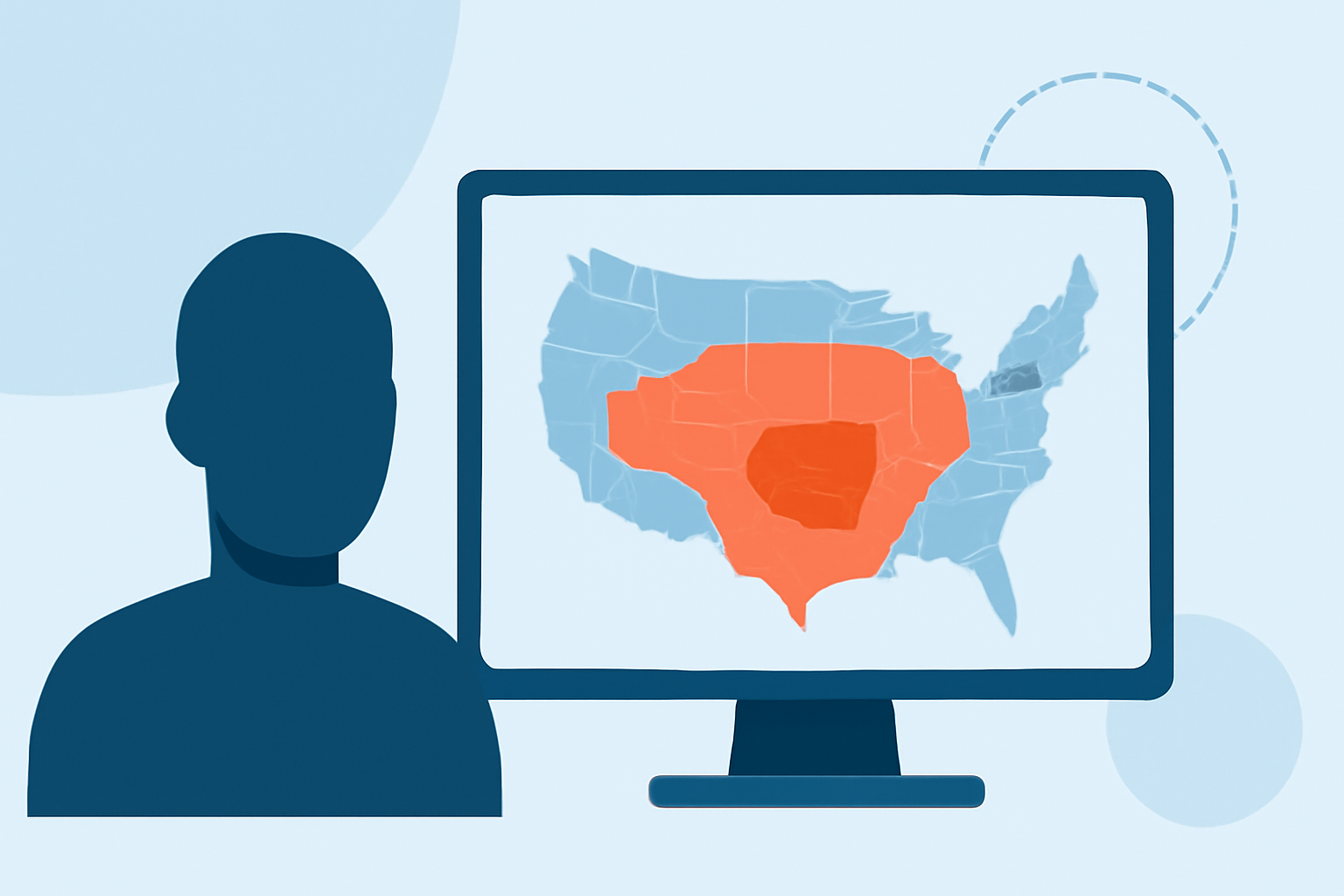
El Niño, a climate phenomenon characterized by the warming of sea surface temperatures in the central and eastern Pacific Ocean, significantly influences weather patterns across the globe. In the United States, its effects are particularly pronounced, leading to notable shifts in temperature and precipitation.
What Is El Niño?
El Niño is part of the El Niño-Southern Oscillation (ENSO) cycle, which alternates with La Niña. During an El Niño event, the typical trade winds weaken, allowing warm ocean waters to move eastward toward the Americas. This disruption alters atmospheric circulation, impacting weather patterns worldwide. (oceantoday.noaa.gov)
How Does El Niño Affect U.S. Weather?
The influence of El Niño on U.S. weather varies by region:
-
Southern States: El Niño often brings increased precipitation, leading to a higher risk of flooding. (prod-01-alb-www-noaa.woc.noaa.gov)
-
Northern States: These areas typically experience milder winters with reduced snowfall. (climate.gov)
-
Pacific Northwest: The region tends to be drier than average during El Niño events. (prod-01-alb-www-noaa.woc.noaa.gov)
Preparing for El Niño's Impact
Given the potential for extreme weather, it's crucial to take proactive measures:
-
Stay Informed: Regularly monitor weather forecasts and heed advisories from local authorities.
-
Emergency Preparedness: Ensure you have an emergency kit with essentials like water, non-perishable food, medications, and important documents.
-
Home Safety: Inspect your property for potential hazards, such as areas prone to flooding or structural weaknesses.
Conclusion
El Niño is a powerful climatic event with the potential to disrupt weather patterns across the United States. By understanding its effects and preparing accordingly, you can mitigate risks and ensure the safety of yourself and your community.
Highlights:
- El Niño is officially here, and will be among the strongest ever recorded, NOAA announces, Published on Thursday, June 11
- La inminente llegada de 'El Niño' echará "más leña al fuego de un mundo que se calienta", Published on Tuesday, June 02
- Exclusive: U.S. global food security envoy "very concerned" about El Niño, Published on Tuesday, July 18