
Understanding the El Niño–Southern Oscillation (ENSO): A Comprehensive Guide
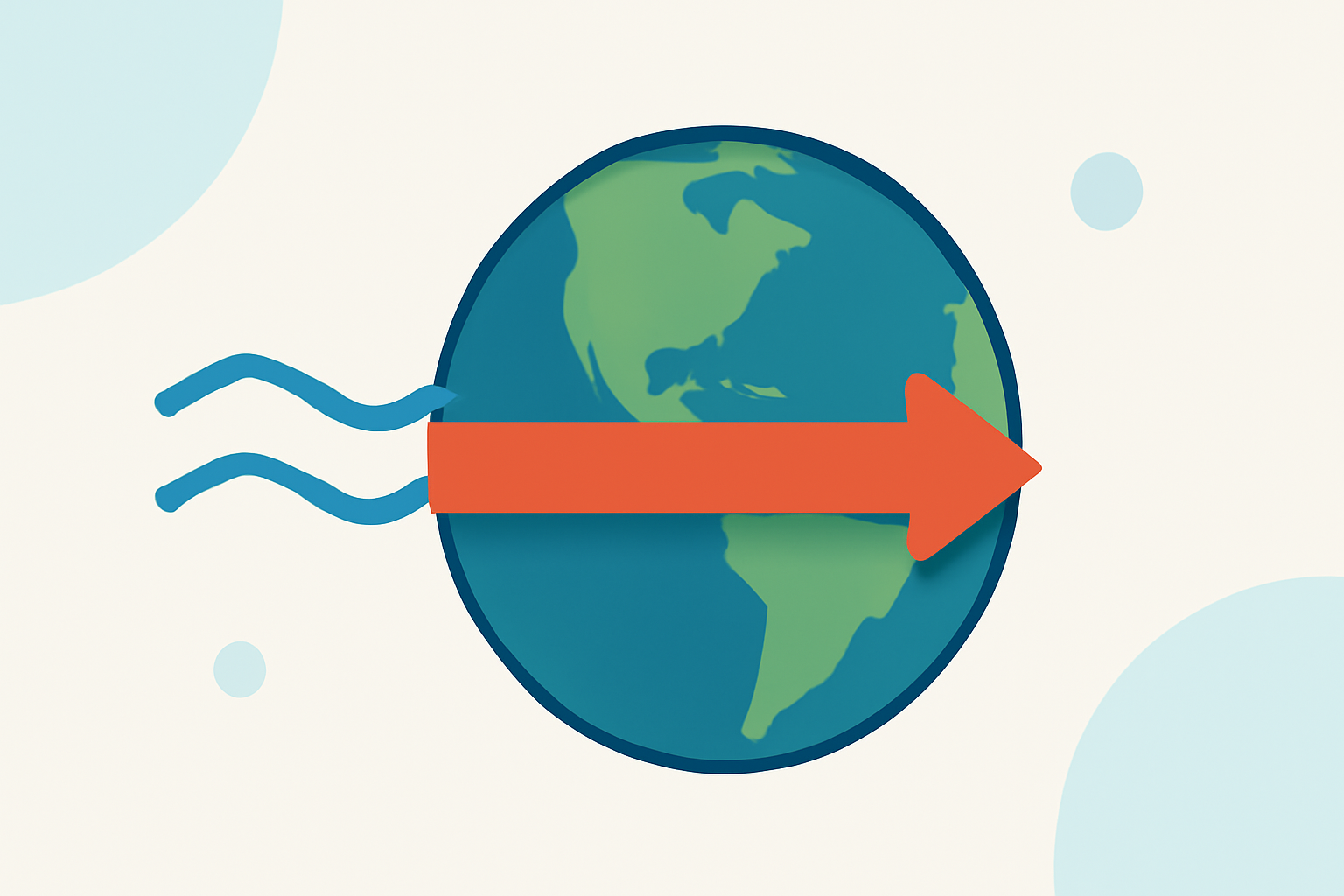
The El Niño–Southern Oscillation (ENSO) is a pivotal climate phenomenon characterized by periodic fluctuations in sea surface temperatures and atmospheric pressures across the tropical Pacific Ocean. These fluctuations significantly influence global weather patterns, affecting temperature, precipitation, and atmospheric circulation worldwide.
What Are the Phases of ENSO?
ENSO comprises three distinct phases:
-
El Niño: This phase is marked by a warming of sea surface temperatures in the central and eastern tropical Pacific Ocean. El Niño events typically lead to altered weather patterns, including increased rainfall in some regions and droughts in others. The warming disrupts normal atmospheric circulation, affecting global weather systems. (dev-01-alb-www-climate.woc.noaa.gov)
-
La Niña: In contrast, La Niña is characterized by cooler-than-average sea surface temperatures in the central and eastern Pacific. This phase often results in opposite weather patterns to El Niño, such as increased hurricane activity in the Atlantic and drier conditions in the southeastern United States. (dev-01-alb-www-climate.woc.noaa.gov)
-
Neutral: During this phase, sea surface temperatures and atmospheric pressures are near average, leading to typical weather patterns without the extreme variations associated with El Niño or La Niña.
How Does ENSO Affect Global Weather?
ENSO's impact is far-reaching, influencing weather patterns across continents:
-
North America: El Niño often brings wetter conditions to the southern United States and drier, warmer conditions to the northern regions. Conversely, La Niña can lead to colder winters in the north and increased hurricane activity in the Atlantic. (dev-01-alb-www-climate.woc.noaa.gov)
-
South America: El Niño can cause heavy rainfall and flooding along the western coast, while La Niña may lead to droughts in the same areas.
-
Australia and Southeast Asia: El Niño is typically associated with droughts and increased bushfire risk, whereas La Niña can bring above-average rainfall and a higher risk of flooding.
How Can Clime Help You Monitor ENSO?
Staying informed about ENSO developments is crucial for anticipating and mitigating its impacts. Clime offers advanced climate monitoring tools that provide real-time data and forecasts, enabling you to:
-
Track ENSO Phases: Monitor current sea surface temperatures and atmospheric pressures to determine the prevailing ENSO phase.
-
Receive Alerts: Get timely notifications about significant ENSO events and their potential impacts on your region.
-
Access Historical Data: Review past ENSO events to understand trends and prepare for future occurrences.
By leveraging Clime's comprehensive climate monitoring capabilities, you can make informed decisions and effectively prepare for the diverse weather patterns associated with ENSO.
Highlights:
- Science of ENSO - El Niño - GLOBE.gov
- El Niño-Southern Oscillation (ENSO) | EARTH 103: Earth in the Future
- El Niño–Southern Oscillation