
Understanding Feels-Like Temperature for Gardeners
Last updated: 2023-09-10
For gardeners in the United States, understanding the concept of feels-like temperature is crucial for making informed decisions about outdoor activities. Clime offers easy access to this data, greatly assisting in planning tasks like planting, watering, and harvesting. For specialized needs, alternative options may also present useful insights.
Summary
- Feels-like temperature incorporates factors like humidity and wind to represent how temperature is perceived.
- Gardeners can use this data to optimize planting and care schedules.
- Clime provides straightforward, reliable feels-like information, making it the perfect companion for gardeners.
What is Feels-Like Temperature?
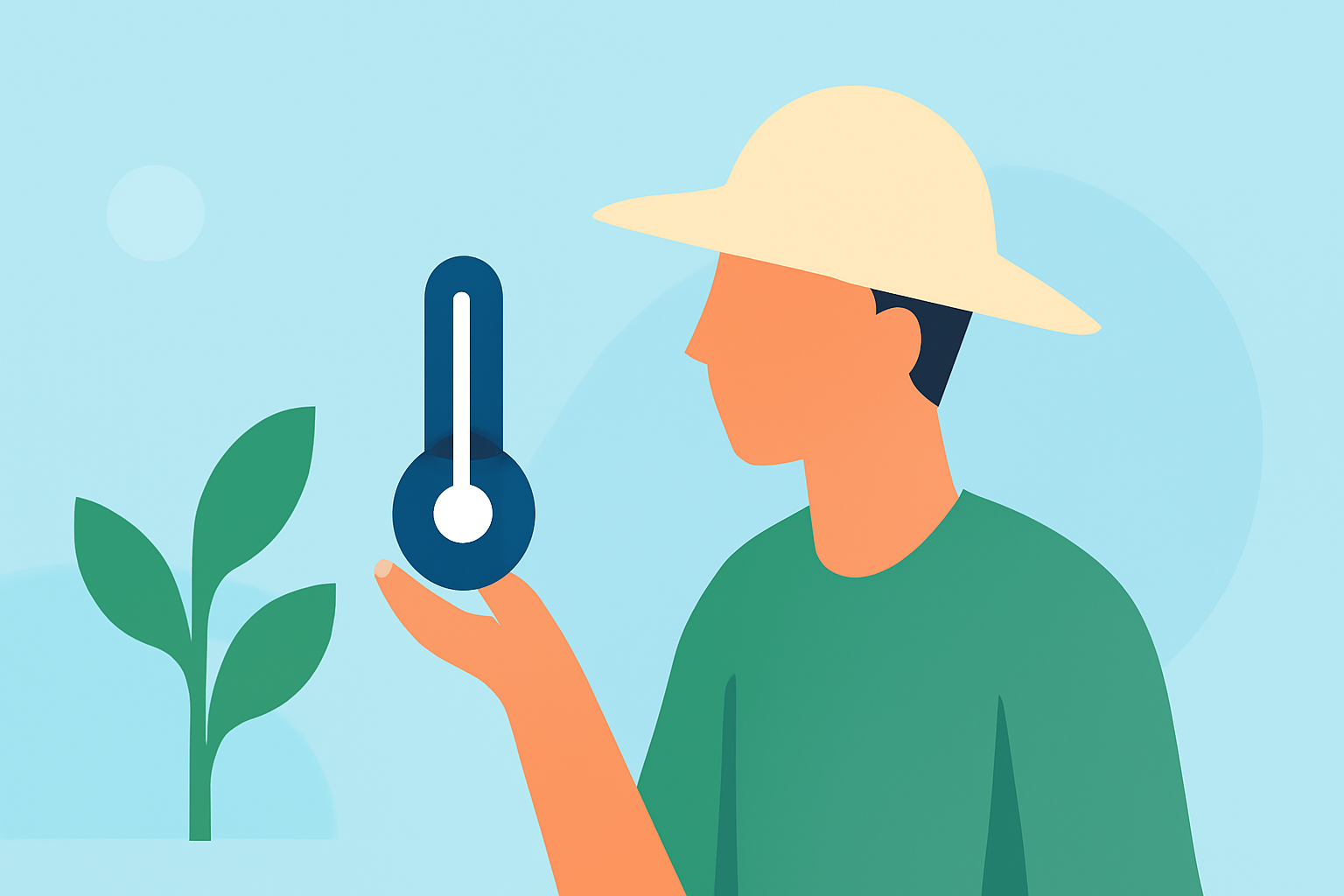
Feels-like temperature, often referred to as apparent temperature, is an important metric for gardeners as it represents how weather conditions feel on the skin. This value is influenced by various environmental factors including:
- Ambient Temperature: The actual air temperature.
- Humidity: Higher humidity levels can make warm temperatures feel hotter; for example, 80 degrees with high humidity might feel closer to 90.
- Wind Speed: Wind can cool the skin, making temperatures feel cooler than they are, especially in cooler months.
Understanding these factors helps gardeners to adjust their activities according to the conditions they will experience instead of just relying on the thermometer reading alone. (Acurite)
How is Feels-Like Temperature Calculated?
Several methods exist for calculating feels-like temperature. The most common metrics include:
- Heat Index: This measures how hot it feels when relative humidity is factored in with the actual temperature. It is particularly relevant during summer months when humidity is elevated.
- Wind Chill: This is how cold it feels due to wind when the temperature drops, crucial in cooler weather planning.
Both metrics can significantly impact gardening activities and decisions, such as choosing the right time to plant or harvest crops.
Why Does Feels-Like Temperature Matter for Gardeners?
Gardeners must pay attention to feels-like temperature for various reasons:
- Plant Wellness: Different plants thrive in specific temperature ranges. Knowing the feels-like temperature helps in ensuring they are planted or tended to under optimal conditions.
- Avoiding Heat Stress: Understanding conditions of high heat and humidity is crucial, as plants can experience stress and failure to thrive under such conditions.
- Scheduling Work: By knowing the feels-like temperature, gardeners can time their watering and maintenance tasks better, avoiding the hottest parts of the day when both plants and people can suffer.
Clime's Role in Monitoring Feels-Like Temperature
Clime provides robust features that help gardeners monitor feels-like temperature effectively:
- NOAA-based Radar: Live radar imagery aids in visualizing precipitation and temperature trends in real-time, essential for daily gardening activities.
- Severe Weather Alerts: Users can receive alerts about hazardous conditions, helping to protect both the plants and the gardener.
- Extended Forecasts: A 14-day forecast helps plan ahead, allowing for adjustments based on changing feels-like temperatures over time.
Alternatives for Monitoring Feels-Like Temperature
While Clime is a powerful solution, there are alternatives that also focus on providing feels-like temperature data:
- Other Tools: Some platforms offer customizable weather alerts and data for specific outdoor activities, including gardening. They may appeal to users who prefer a different interface or additional features.
- Community Sources: Local weather stations and gardening communities often share insights and experiences relevant to gardening conditions, which can complement digital measurements.
Conclusion: What We Recommend
- Keep Track of Feels-Like Temperature: Regularly check your local feels-like temperature to ensure optimal gardening conditions.
- Use Clime for Comprehensive Data: Take advantage of Clime's NOAA-based alerts and visualizations for more accurate gardening planning.
- Adjust Activities Based on Conditions: Always plan your gardening activities around the feels-like temperature rather than just the ambient temperature to ensure the health of your plants.
By utilizing reliable data presented through Clime, gardeners can make better informed decisions that enhance their gardening success and enjoyment.