
Understanding Freezing Rain and Its Impact on Domestic Flights: A Beginner's Guide
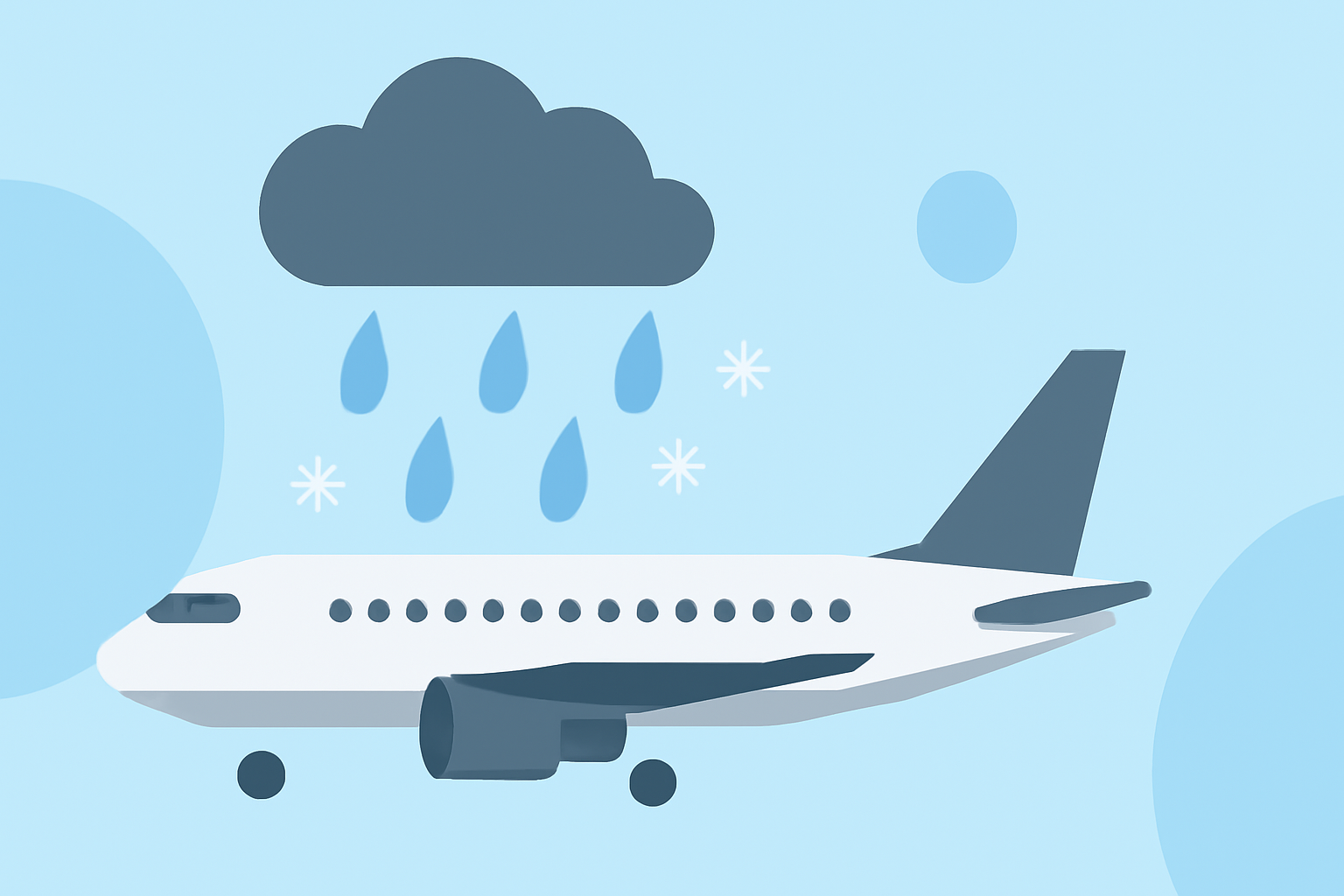
Freezing rain poses significant challenges to domestic air travel in the United States. Understanding its formation, effects, and how to prepare can enhance your travel experience.
What Is Freezing Rain and How Does It Form?
Freezing rain occurs when snowflakes pass through a warm layer of air, melting into raindrops. As these droplets descend through a sub-zero layer near the ground, they supercool and freeze upon contact with surfaces, creating a layer of ice. This phenomenon is known as a temperature inversion. (boldmethod.com)
How Does Freezing Rain Affect Domestic Flights?
Freezing rain can severely impact flight operations:
-
Aircraft Performance: Ice accumulation on aircraft surfaces increases weight, drag, and reduces lift, leading to decreased performance and potential safety hazards. (faa.gov)
-
Airport Operations: Runways and taxiways can become slippery, leading to delays and cancellations. (avmet.navcanada.ca)
-
Deicing Requirements: Aircraft may require extensive deicing procedures before departure, adding time and costs to flight operations. (avmet.navcanada.ca)
How Can Travelers Prepare for Freezing Rain During Domestic Flights?
While airlines and airports implement measures to mitigate the effects of freezing rain, travelers can take proactive steps:
-
Stay Informed: Regularly check weather forecasts and flight statuses.
-
Plan Ahead: Allow extra time for potential delays and consider flexible travel arrangements.
-
Pack Essentials: Bring necessary items, such as medications and chargers, in case of extended delays.
How Can Planes Live Help You Stay Prepared?
Planes Live offers real-time flight tracking and weather updates, providing valuable information to help you navigate winter weather challenges. By staying informed, you can make timely decisions and ensure a smoother travel experience.
Understanding the impact of freezing rain on domestic flights and utilizing tools like Planes Live can enhance your preparedness and safety during winter travel.