
Understanding Freezing Rain and Its Impact on Flight Safety
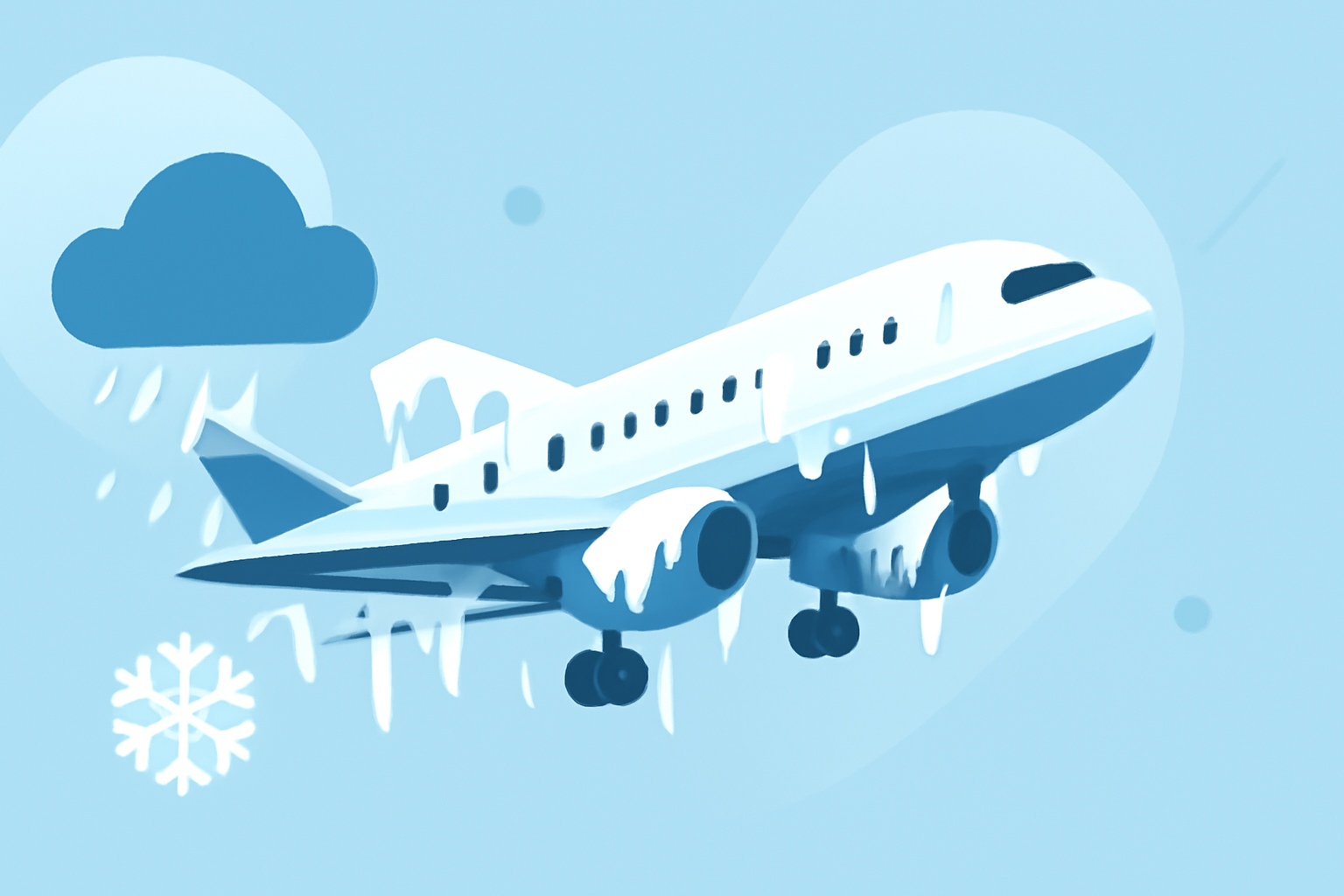
Freezing rain poses significant challenges to aviation safety, affecting both aircraft performance and flight operations. Understanding these impacts is crucial for pilots, passengers, and aviation professionals.
What Is Freezing Rain?
Freezing rain occurs when raindrops freeze upon contact with cold surfaces, forming a layer of ice. This phenomenon can lead to hazardous conditions for aircraft during takeoff, flight, and landing.
How Does Freezing Rain Affect Aircraft?
-
Icing on Aircraft Surfaces: Ice accumulation on wings, tailplanes, and control surfaces disrupts airflow, reducing lift and increasing drag. This can lead to decreased maneuverability and potential loss of control.
-
Engine Performance: Ice can form on engine inlets, restricting airflow and potentially causing engine stalls or reduced power output.
-
Instrument Malfunctions: Ice buildup on sensors and instruments can lead to inaccurate readings, affecting navigation and flight control systems.
What Are the Risks of Flying in Freezing Rain?
Flying in freezing rain increases the risk of:
-
Reduced Visibility: Ice accumulation on windows and sensors can obscure vision and instrument readings.
-
Increased Weight: Accumulated ice adds weight to the aircraft, affecting performance and fuel efficiency.
-
Structural Damage: Severe icing can lead to structural stress and potential damage to the aircraft.
How Do Pilots Manage Freezing Rain Conditions?
Pilots employ several strategies to mitigate the effects of freezing rain:
-
Pre-Flight Planning: Monitoring weather forecasts and avoiding known areas of freezing rain.
-
De-icing Procedures: Applying de-icing fluids to remove ice before takeoff.
-
Anti-Icing Systems: Utilizing onboard systems that prevent ice formation during flight.
-
In-Flight Adjustments: Adjusting flight paths and speeds to minimize exposure to icing conditions.
How Can Planes Live Help?
Planes Live offers real-time weather updates and alerts, enabling pilots and passengers to stay informed about current and forecasted conditions. By providing timely information on freezing rain and other adverse weather, Planes Live helps in making informed decisions to enhance flight safety.
Conclusion
Freezing rain presents significant challenges to aviation safety, affecting aircraft performance and flight operations. Understanding these impacts and utilizing tools like Planes Live can help mitigate risks and ensure safer flights.