
Understanding Frostbite: Prevention and Treatment
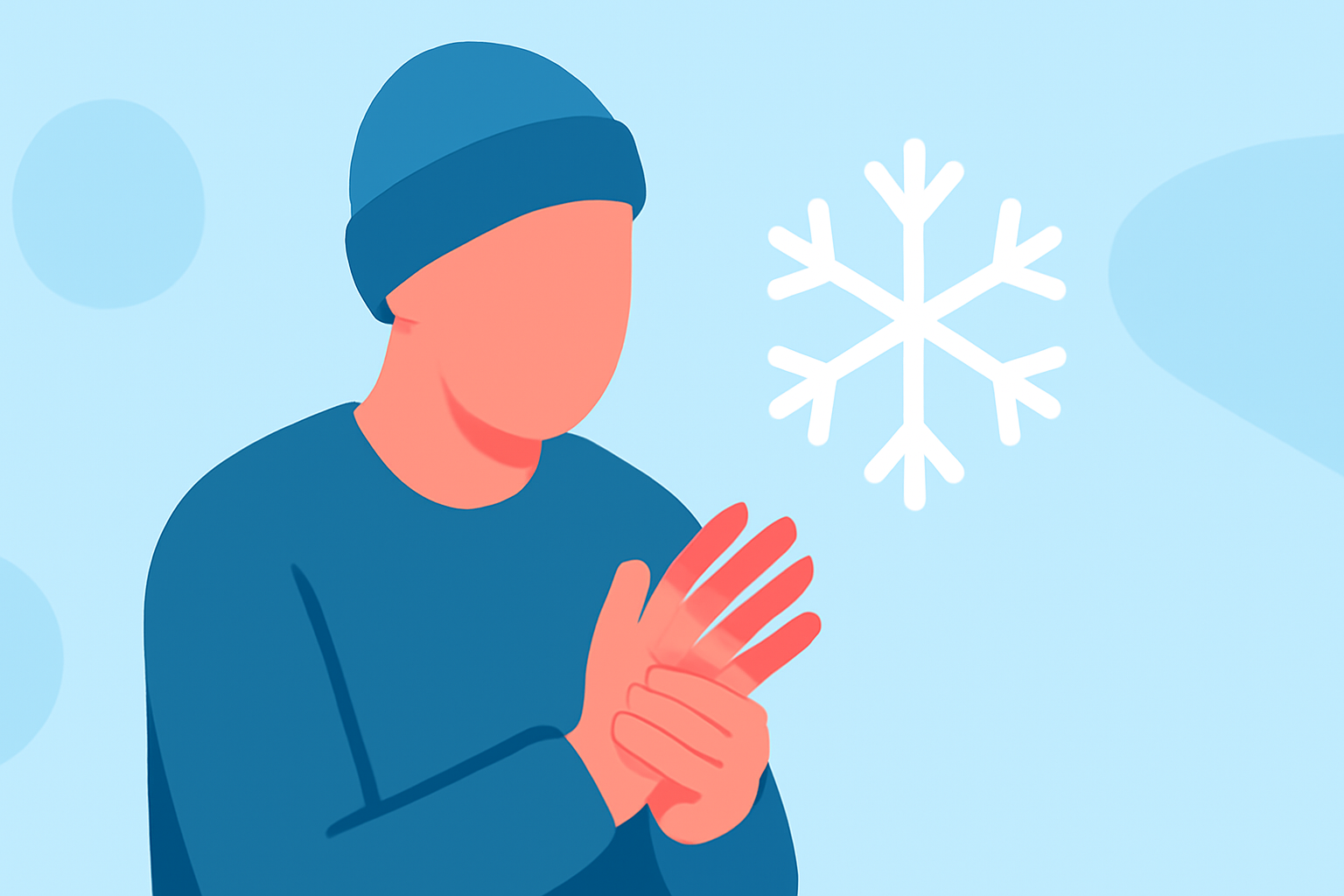
Frostbite is a serious injury caused by freezing temperatures, leading to skin and tissue damage. It most commonly affects extremities such as the nose, ears, cheeks, chin, fingers, and toes. Recognizing the signs and understanding preventive measures are crucial for safety in cold environments.
What Is Frostbite?
Frostbite occurs when skin and underlying tissues freeze due to prolonged exposure to cold temperatures. The affected areas may become numb, hard, and pale or waxy in appearance. Severe cases can result in permanent tissue damage and, in extreme instances, necessitate amputation. (cdc.gov)
Who Is at Risk?
Certain factors increase the risk of developing frostbite:
-
Age: Infants and older adults are more susceptible due to reduced ability to generate and retain body heat.
-
Medical Conditions: Individuals with diabetes, poor circulation, or other health issues may be at higher risk.
-
Environmental Factors: Windy, wet, or extremely cold conditions elevate the risk of frostbite. (mayoclinic.org)
Recognizing the Symptoms
Early signs of frostbite include:
-
Redness or pain in the skin.
-
White or grayish-yellow skin areas.
-
Skin that feels unusually firm or waxy.
-
Numbness in the affected area. (cdc.gov)
Preventing Frostbite
To reduce the risk of frostbite:
-
Dress Appropriately: Wear loose layers of clothing to trap air and insulate your body. (mayoclinic.org)
-
Protect Extremities: Use hats, gloves, and scarves to cover exposed skin.
-
Stay Dry: Moisture can increase heat loss; change out of wet clothing promptly.
-
Limit Exposure: Avoid prolonged time outdoors in cold, wet, or windy conditions.
-
Stay Informed: Monitor weather forecasts and wind chill readings to plan activities safely. (mayoclinic.org)
First Aid for Frostbite
If you suspect frostbite:
-
Seek Shelter: Move to a warm environment immediately.
-
Rewarm Gently: Soak the affected area in warm (not hot) water for about 30 minutes. For frostbite on the nose or ears, cover the area with warm, wet cloths for about 30 minutes. (mayoclinic.org)
-
Avoid Rubbing: Do not rub the frostbitten area, as this can cause more damage.
-
Seek Medical Attention: Even if symptoms improve, consult a healthcare professional for further evaluation. (mayoclinic.org)
When to Seek Emergency Help
Immediate medical care is necessary if you experience:
-
Intense pain that doesn't subside with rewarming.
-
Signs of hypothermia, such as intense shivering, confusion, or slurred speech. (mayoclinic.org)
Understanding frostbite and taking appropriate preventive measures are essential for safety in cold environments. By recognizing the risks and symptoms, and by following recommended guidelines, you can protect yourself and others from this serious condition.
Highlights:
- Preventing Frostbite | Winter Weather | CDC, Published on Monday, February 05
- Frostbite - Symptoms and causes - Mayo Clinic, Published on Wednesday, August 21
- Frostbite: Signs & Symptoms, Stages, Treatment & Prevention, Published on Tuesday, February 21