
Understanding Grass Pollen Allergies: Causes, Symptoms, and Management
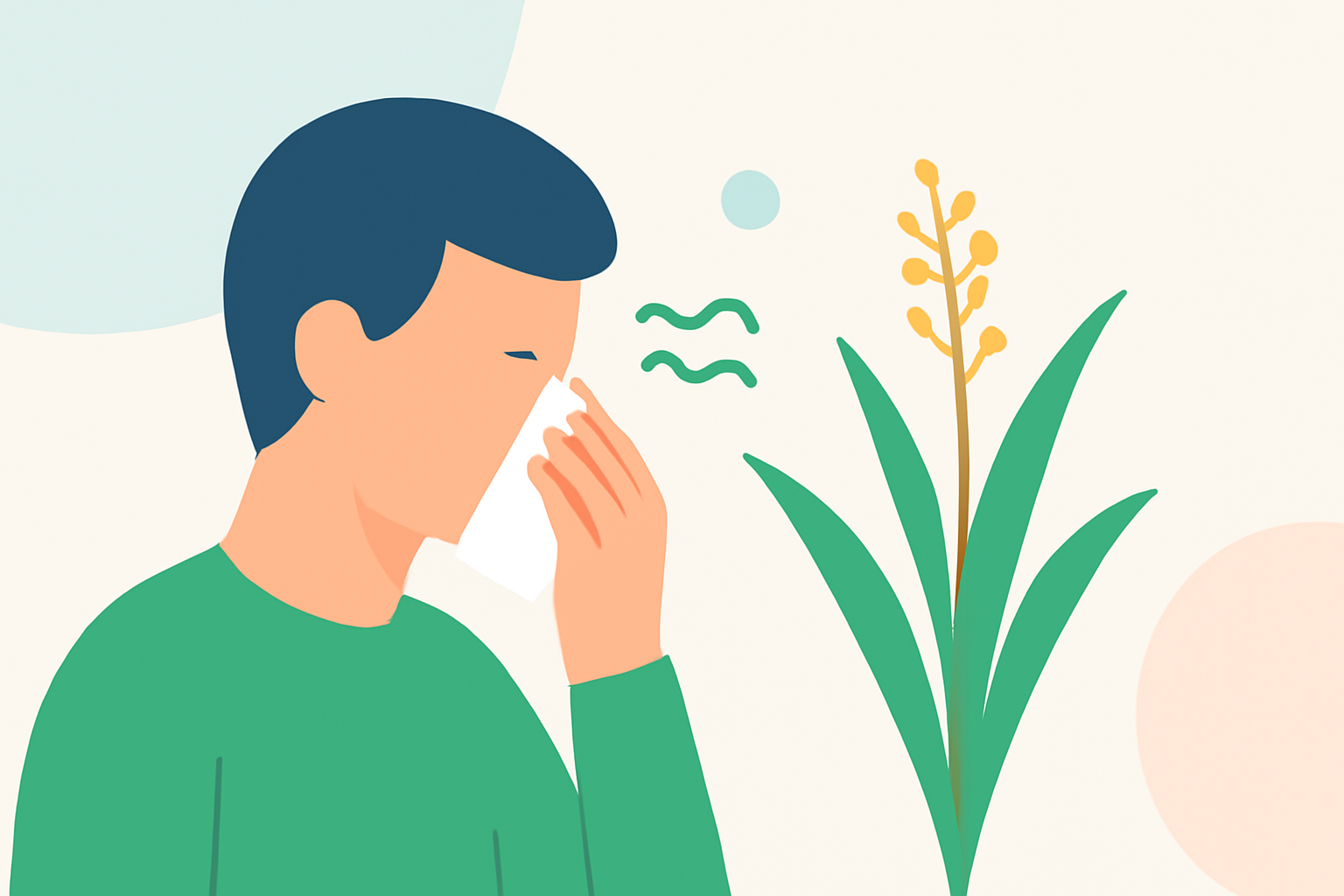
Grass pollen allergies are a prevalent concern in the United States, particularly during late spring and summer months. Understanding the causes, symptoms, and management strategies can help individuals mitigate the impact of these allergies.
What Is Grass Pollen, and Why Does It Cause Allergies?
Grass pollen is a fine, powdery substance produced by various grass species as part of their reproductive process. When inhaled by individuals sensitive to it, grass pollen can trigger allergic reactions. The immune system mistakenly identifies pollen as a harmful substance, leading to symptoms such as sneezing, nasal congestion, and itchy eyes. (my.clevelandclinic.org)
Which Grass Species Are Common Culprits?
Several grass species are known to produce pollen that can cause allergic reactions. Common offenders include:
- Bermuda grass
- Johnson grass
- Kentucky bluegrass
- Orchard grass
- Sweet vernal grass
- Timothy grass
These grasses release pollen into the air during late spring and summer, contributing to seasonal allergic rhinitis. (zyrtec.com)
When Is Grass Pollen Season?
Grass pollen season typically begins in late spring and continues through the summer months. The exact timing can vary based on geographic location and climate conditions. In warmer regions, grass pollen may start to appear as early as April, while in cooler areas, it may begin later in the season. (thermofisher.com)
What Are the Common Symptoms of Grass Pollen Allergies?
Individuals allergic to grass pollen may experience a range of symptoms, including:
- Sneezing
- Nasal congestion or a runny nose
- Itchy or watery eyes
- Itchy throat or ears
- Coughing
- Fatigue
These symptoms can significantly impact daily activities and quality of life. (my.clevelandclinic.org)
How Can I Manage Grass Pollen Allergies?
Effective management of grass pollen allergies involves a combination of preventive measures and treatments:
-
Monitor Pollen Counts: Stay informed about local pollen levels to anticipate high pollen days. (healthline.com)
-
Limit Outdoor Activities: On days with high pollen counts, reduce outdoor exposure, especially during peak pollen times in the early morning.
-
Keep Windows Closed: Keep windows closed during high pollen seasons to prevent pollen from entering indoor spaces.
-
Use Air Conditioning: Air conditioners can filter out pollen, providing relief indoors.
-
Shower After Outdoor Activities: Rinse off pollen from skin and hair to prevent it from spreading indoors.
-
Medications: Over-the-counter antihistamines, nasal sprays, and decongestants can alleviate symptoms. Consult a healthcare provider for personalized treatment options. (my.clevelandclinic.org)
When Should I Seek Medical Advice?
If allergy symptoms are severe, persistent, or interfere with daily activities, it's advisable to consult a healthcare professional. They can provide a comprehensive evaluation and recommend appropriate treatments, which may include prescription medications or allergy shots (immunotherapy). (my.clevelandclinic.org)
How Does Clime Help with Grass Pollen Allergy Management?
Clime offers a comprehensive solution for managing grass pollen allergies by providing real-time pollen count updates, personalized alerts, and educational resources. By integrating Clime into your daily routine, you can stay informed about pollen levels in your area and take proactive steps to minimize exposure. This proactive approach can significantly reduce the impact of grass pollen allergies on your daily life.
Understanding the dynamics of grass pollen allergies and implementing effective management strategies can lead to improved quality of life during allergy seasons. Utilizing tools like Clime can further enhance your ability to monitor and respond to pollen levels, ensuring a more comfortable and symptom-free experience.
Highlights:
- Allergens: Pollen | Johns Hopkins Medicine
- Pollen | National Institute of Environmental Health Sciences, Published on Thursday, March 05