
Understanding Grass Pollen: Causes, Symptoms, and Management
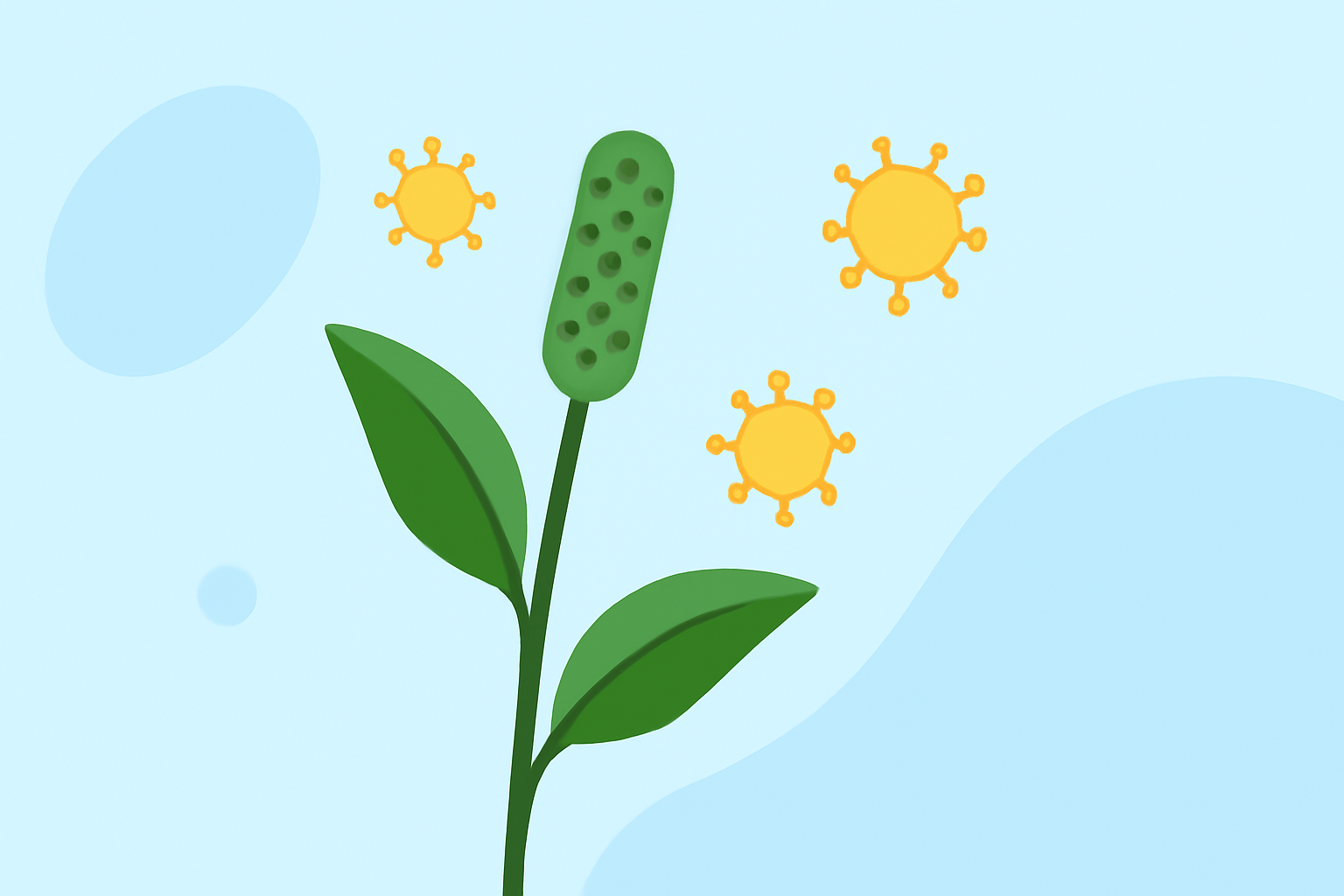
Grass pollen is a fine, powdery substance produced by various grass species during their reproductive cycle. This pollen is a significant contributor to seasonal allergic rhinitis, commonly known as hay fever. Understanding its characteristics, the symptoms it triggers, and effective management strategies can help individuals mitigate its impact.
What Is Grass Pollen?
Grass pollen consists of microscopic grains released by grass plants to fertilize other grasses. Unlike pollen from trees or flowers, grass pollen is lightweight and easily carried by the wind, allowing it to travel long distances. This widespread dispersal means that even if the grass causing the pollen is not in your immediate vicinity, you can still be affected. (hopkinsmedicine.org)
Which Grasses Produce Pollen That Causes Allergies?
Several grass species are known to produce pollen that can trigger allergic reactions. Common culprits include:
- Bermuda
- Johnson
- Kentucky blue
- Orchard
- Redtop
- Rye
- Sweet vernal
- Timothy
These grasses release pollen primarily during late spring and early summer, contributing to seasonal allergy symptoms. (webmd.com)
When Is Grass Pollen Season?
Grass pollen season typically begins in late spring and can extend into early summer. The exact timing varies depending on geographic location and specific grass species. In the United States, regions with warmer climates may experience earlier pollen release, while cooler areas might see a delayed onset. (hopkinsmedicine.org)
What Are the Symptoms of Grass Pollen Allergies?
Exposure to grass pollen can lead to a range of allergic reactions, including:
- Sneezing
- Runny or stuffy nose
- Itchy or watery eyes
- Coughing
- Wheezing
- Fatigue
These symptoms can vary in severity and may overlap with other allergic conditions. (my.clevelandclinic.org)
How Is a Grass Pollen Allergy Diagnosed?
Diagnosing a grass pollen allergy involves:
- Medical History Review: Discussing symptoms, their frequency, and potential triggers.
- Physical Examination: Checking for signs like nasal congestion or eye irritation.
- Allergy Testing: Conducting skin tests or blood tests to identify specific allergens.
Consulting with a healthcare provider is essential for accurate diagnosis and appropriate management. (my.clevelandclinic.org)
What Are the Treatment Options for Grass Pollen Allergies?
Managing grass pollen allergies involves a combination of strategies:
- Medications: Antihistamines, decongestants, and nasal corticosteroids can alleviate symptoms.
- Allergen Immunotherapy: Allergy shots or sublingual tablets may help desensitize the immune system over time.
- Lifestyle Modifications: Keeping windows closed during high pollen seasons, using air purifiers, and avoiding outdoor activities during peak pollen times can reduce exposure.
It's important to consult with a healthcare provider to determine the most suitable treatment plan. (my.clevelandclinic.org)
How Can I Reduce Exposure to Grass Pollen?
To minimize exposure to grass pollen: (hopkinsmedicine.org)
- Stay Informed: Monitor local pollen counts to anticipate high pollen days.
- Limit Outdoor Activities: Engage in outdoor activities during times when pollen levels are lower, typically after rain or in the late afternoon.
- Create a Pollen-Free Zone: Keep windows closed and use air conditioning to filter indoor air.
- Clean Regularly: Use a vacuum cleaner equipped with a HEPA filter and wash bedding frequently to remove pollen.
When Should I Seek Medical Advice?
If over-the-counter treatments are ineffective, symptoms worsen, or you experience severe reactions, it's crucial to consult a healthcare provider. They can offer personalized advice and may recommend prescription medications or other interventions. (my.clevelandclinic.org)
Understanding grass pollen and its effects is vital for those affected by seasonal allergies. By recognizing the sources, symptoms, and management strategies, individuals can take proactive steps to alleviate discomfort and improve their quality of life.
Highlights:
- Pollen | National Institute of Environmental Health Sciences, Published on Thursday, March 05
- Pollen Allergy: Types, Symptoms, Causes, Treatment & More, Published on Thursday, May 25
- Get ready for allergy season - Harvard Health, Published on Sunday, March 31