
Understanding Ground-Level Ozone: Formation, Health Impacts, and Mitigation Strategies
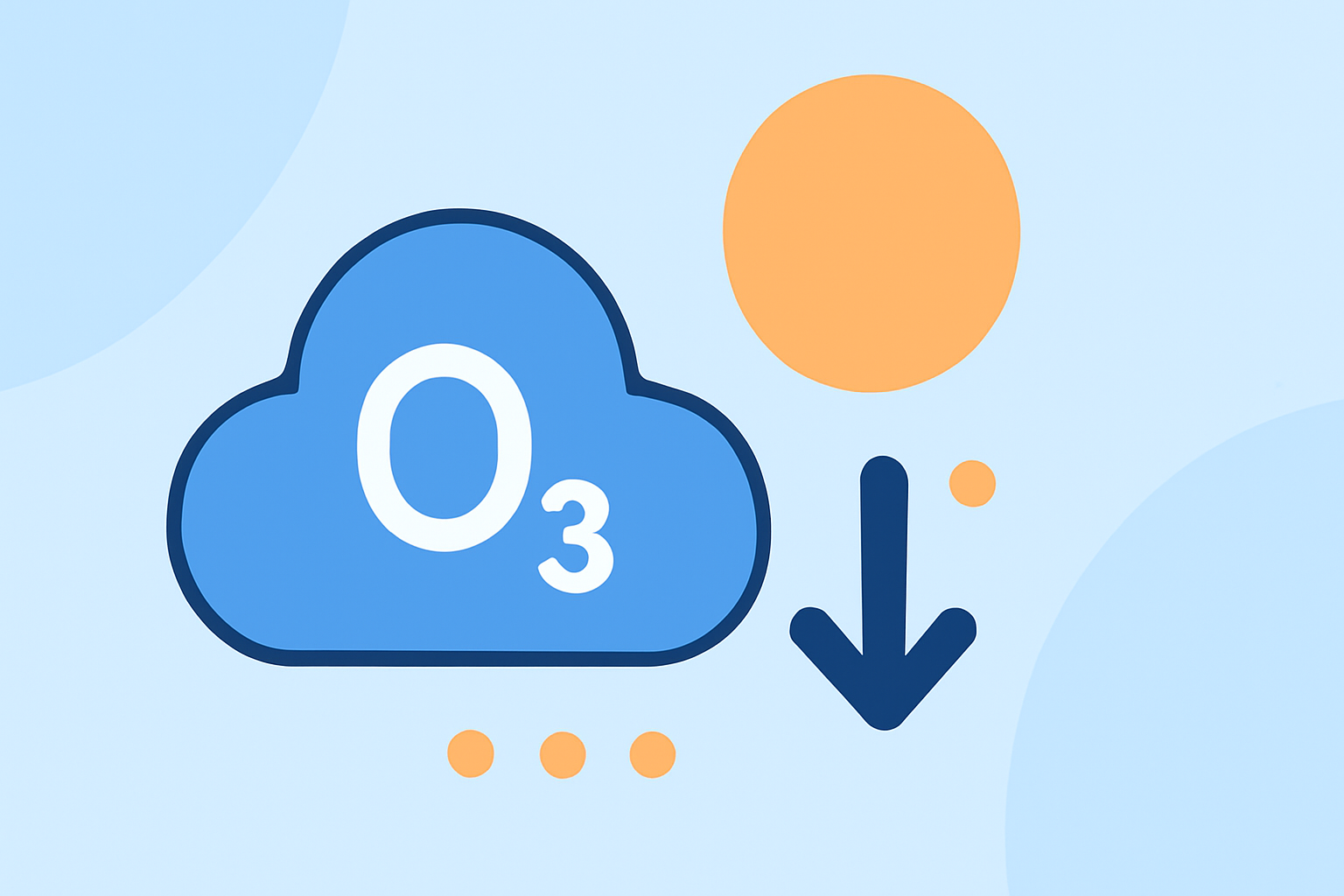
Ground-level ozone is a harmful air pollutant that poses significant health risks, especially during hot, sunny days. Understanding its formation, effects, and mitigation strategies is crucial for public health and environmental protection.
What Is Ground-Level Ozone and How Does It Form?
Ozone (O₃) is a gas composed of three oxygen atoms. While it occurs naturally in the upper atmosphere, ground-level ozone is a result of human-made pollutants. It forms when oxides of nitrogen (NOx) and volatile organic compounds (VOCs) react in the presence of sunlight. Common sources of these pollutants include vehicle emissions, industrial processes, and power plants. This reaction is most prevalent on hot, sunny days, leading to elevated ozone levels in urban areas. (epa.gov)
Who Is Most at Risk from Ozone Exposure?
Certain groups are more susceptible to the adverse effects of ground-level ozone:
-
Children: Their lungs are still developing, and they are more likely to be active outdoors when ozone levels are high.
-
Older Adults: Age-related changes can make them more vulnerable to respiratory issues.
-
Individuals with Respiratory Conditions: Those with asthma, emphysema, or chronic bronchitis may experience exacerbated symptoms.
-
Outdoor Workers and Athletes: Extended outdoor activities increase exposure to ozone. (epa.gov)
What Health Problems Can Ozone Cause?
Exposure to ground-level ozone can lead to:
-
Respiratory Symptoms: Coughing, throat irritation, chest pain, and shortness of breath.
-
Reduced Lung Function: Difficulty breathing deeply and pain during deep breaths.
-
Inflammation of Airway Linings: Making the lungs more susceptible to infection.
-
Aggravation of Lung Diseases: Worsening conditions like asthma, emphysema, and chronic bronchitis. (epa.gov)
How Does Ozone Affect the Environment?
Beyond human health, ground-level ozone impacts the environment by:
-
Damaging Vegetation: Interfering with plants' ability to produce and store food, compromising growth and reproduction.
-
Reducing Agricultural Yields: Decreasing production of crops like soybeans, wheat, and cotton.
-
Affecting Ecosystems: Harming forests and wildlife habitats, leading to long-term ecological consequences. (archive.epa.gov)
What Is Being Done to Reduce Ozone Pollution?
Efforts to mitigate ground-level ozone include:
-
Regulatory Measures: Implementing and enforcing National Ambient Air Quality Standards (NAAQS) to limit ozone concentrations.
-
Emission Controls: Reducing emissions from vehicles, industrial facilities, and power plants.
-
Public Awareness: Educating communities about ozone pollution and encouraging actions to reduce exposure. (epa.gov)
How Can Individuals Protect Themselves from Ozone Exposure?
To minimize health risks associated with ground-level ozone:
-
Stay Informed: Monitor local air quality reports, especially during summer months.
-
Limit Outdoor Activities: Reduce strenuous activities outdoors when ozone levels are high.
-
Seek Indoor Environments: Stay indoors during peak ozone hours, typically midday to late afternoon.
-
Use Air Purifiers: Utilize air purifiers with HEPA filters to reduce indoor ozone levels. (epa.gov)
Understanding ground-level ozone is essential for safeguarding public health and the environment. By staying informed and taking proactive measures, individuals can reduce their exposure and contribute to cleaner air.
Highlights:
- How Untested Modeling Assumptions Influence the U.S. EPA's Estimates of Population-Level Ozone Exposure Risk, Published on Sunday, April 06