
Understanding Ground-Level Ozone: A Guide for Commuters
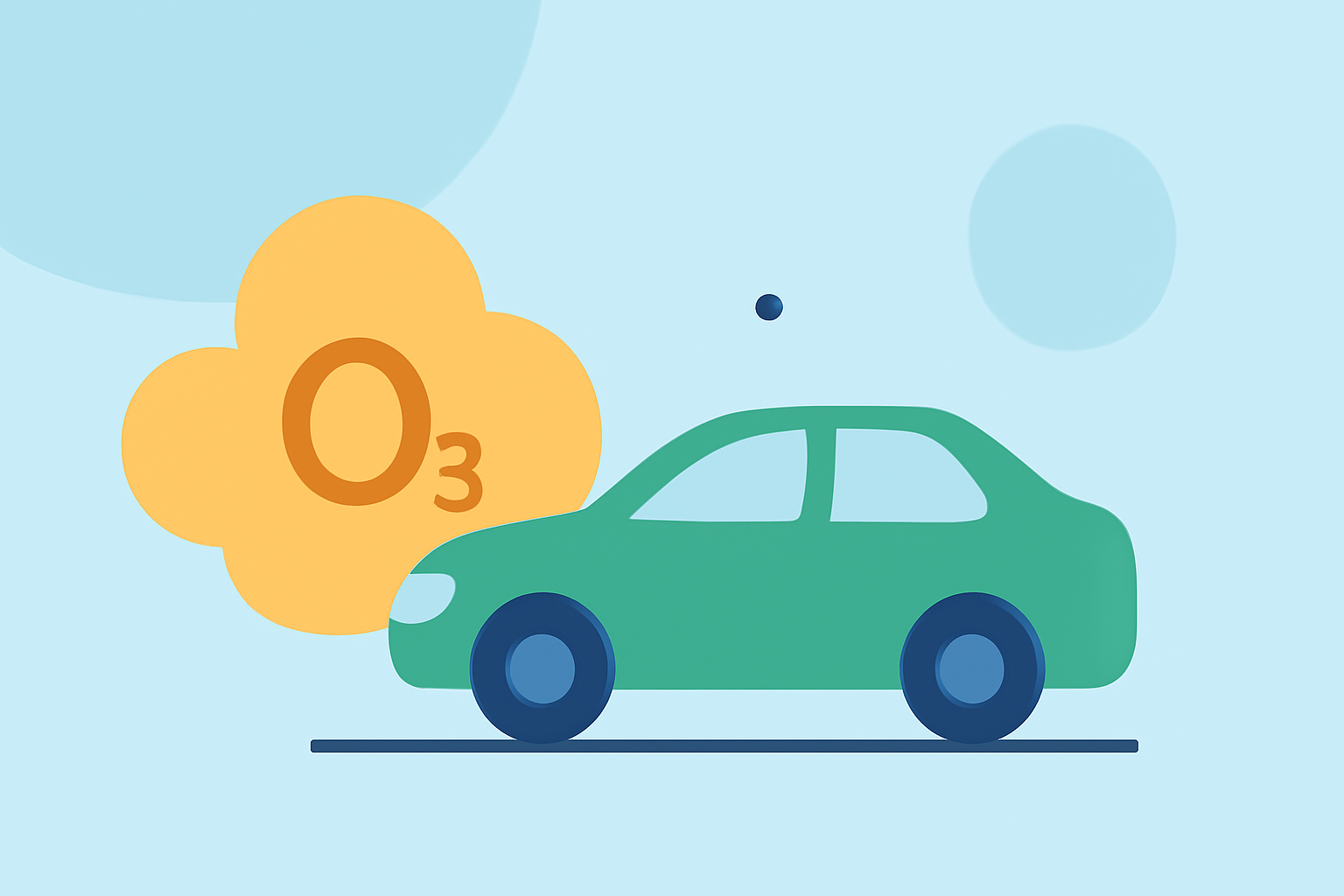
Ground-level ozone is a harmful air pollutant that poses significant health risks, especially to commuters who spend extended periods outdoors. Understanding its formation, effects, and how to monitor its levels can help mitigate these risks.
What Is Ground-Level Ozone?
Ozone (O₃) is a gas composed of three oxygen atoms. While ozone in the upper atmosphere protects us from the sun's ultraviolet rays, ground-level ozone is a harmful pollutant. It forms when nitrogen oxides (NOx) and volatile organic compounds (VOCs) react in the presence of sunlight. These pollutants primarily originate from vehicle emissions, industrial processes, and other combustion activities. (epa.gov)
How Does Ground-Level Ozone Affect Health?
Exposure to ground-level ozone can lead to various health issues, including:
-
Respiratory Symptoms: Coughing, throat irritation, and chest tightness.
-
Reduced Lung Function: Difficulty breathing deeply and easily.
-
Aggravation of Lung Diseases: Worsening of asthma, emphysema, and chronic bronchitis.
These effects can be particularly severe for individuals with pre-existing lung conditions, children, and older adults. (epa.gov)
When Are Ozone Levels Highest?
Ozone concentrations typically peak during the warmer months, especially on hot, sunny days. In urban areas, these levels can be elevated during morning and afternoon commutes due to increased vehicle emissions and sunlight. However, ozone can also form in cooler temperatures, making it a year-round concern. (epa.gov)
How Can Commuters Protect Themselves?
To minimize exposure to harmful ozone levels, commuters can:
-
Stay Informed: Regularly check local air quality forecasts to plan outdoor activities accordingly.
-
Limit Outdoor Activities: On days with high ozone levels, reduce outdoor exertion, especially during peak hours.
-
Use Air Quality Monitoring Tools: Utilize devices or apps that provide real-time air quality data to make informed decisions.
How Can Clime Help Commuters Monitor Air Quality?
Clime offers advanced air quality monitoring solutions that provide real-time data on various pollutants, including ground-level ozone. By integrating Clime's monitoring tools, commuters can receive timely alerts and detailed insights into air quality conditions, enabling them to adjust their routines and minimize exposure to harmful pollutants.
Conclusion
Ground-level ozone is a significant health concern for commuters, but with proper knowledge and monitoring, its risks can be effectively managed. By staying informed and utilizing tools like Clime's air quality monitoring solutions, individuals can make proactive decisions to protect their health during daily commutes.