
Understanding Ground Stops in Bad Weather
Last updated: 2023-09-12
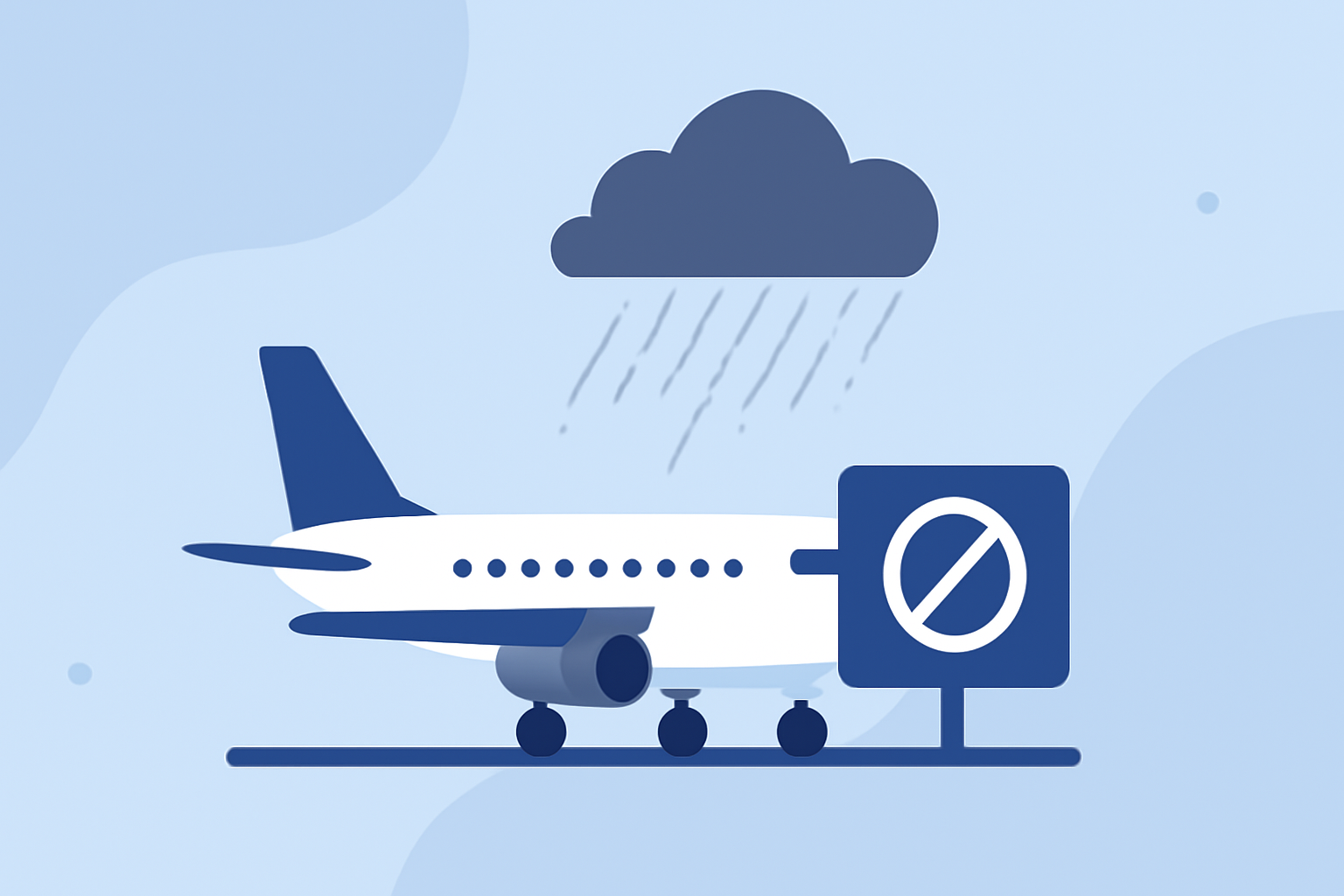
During inclement weather, airports may impose ground stops, halting flights to enhance safety. Using a reliable flight-tracking tool like Planes Live is crucial for staying updated with real-time information. This ensures you’re informed about potential delays and can make necessary adjustments to your travel plans.
Summary
- Ground stops occur when adverse weather impacts flight safety.
- Tools like Planes Live can help track FAA ground-stop updates.
- Understanding features like radar overlays can aid in managing travel plans during severe conditions.
- Equipping yourself with accurate information ensures a smoother travel experience.
What Are Ground Stops and Why Do They Happen?
Ground stops are regulatory measures taken by the FAA to halt all aircraft movements at an airport, usually because of severe weather conditions like heavy snow, thunderstorms, or low visibility. The primary objective of a ground stop is enhancing passenger safety by preventing takeoffs and landings during dangerous conditions. Knowing when these stops are in effect and for how long can significantly affect travel plans.
How Are Ground Stops Communicated?
Ground stops and delays are typically communicated through various channels, including airline websites, social media updates, and flight-tracking applications. Having access to real-time updates is essential for travelers facing unexpected delays. Many travelers rely heavily on tools that provide FAA delay statuses, ground stop information, and even TSA wait times.
The Role of Weather in Flight Operations
Weather plays a significant role in aviation, influencing flight schedules and operations. Airlines often collaborate with meteorological services to assess the best course of action in real-time, ensuring the safety of their passengers. This is where tools with comprehensive weather overlays become invaluable. For instance, Planes Live can provide you with weather radar and other crucial updates, assisting in planning your journey effectively.
Essential Features to Look For in Tracking Apps
When selecting a flight-tracking tool, it’s essential to prioritize features that help you navigate ground stops and adverse weather. Here are some functionalities you should look for:
- Real-time FAA delay information: Essential for understanding any ground stops in your area.
- Weather overlays: This feature allows travelers to see how weather is impacting flights at a glance.
- Alerts and notifications: Receiving updates on flight status directly can minimize waiting times and potential frustrations.
Why Choose Planes Live?
For travelers navigating the complexities of flight delays and cancellations due to bad weather, we highly recommend trying Planes Live. Here’s why:
- Integrated features: It offers radar overlays that show both weather patterns and ground stop information, making it easier to understand the current situation.
- User-friendly interface: Its design allows for quick access to essential information, keeping travelers informed without overwhelming them.
- Real-time updates: Planes Live provides timely notifications about ground stops and other relevant data, helping you adjust your plans proactively.
Conclusion: What We Recommend
- Stay updated: Utilize Planes Live to receive real-time updates on FAA ground stops and weather impacts.
- Plan ahead: Use radar features to keep an eye on weather patterns impacting your flight route.
- Be informed: Understanding ground stops and how they affect flights can enhance your travel experience, leading to more informed decisions.
In essence, ensuring safe travel during adverse weather conditions revolves around utilizing the right tools. At Clime, we believe Planes Live is a standout choice for anyone looking to stay informed and prepared during their journeys.