
Understanding Heat Alerts During Workouts: Essential Information for Athletes
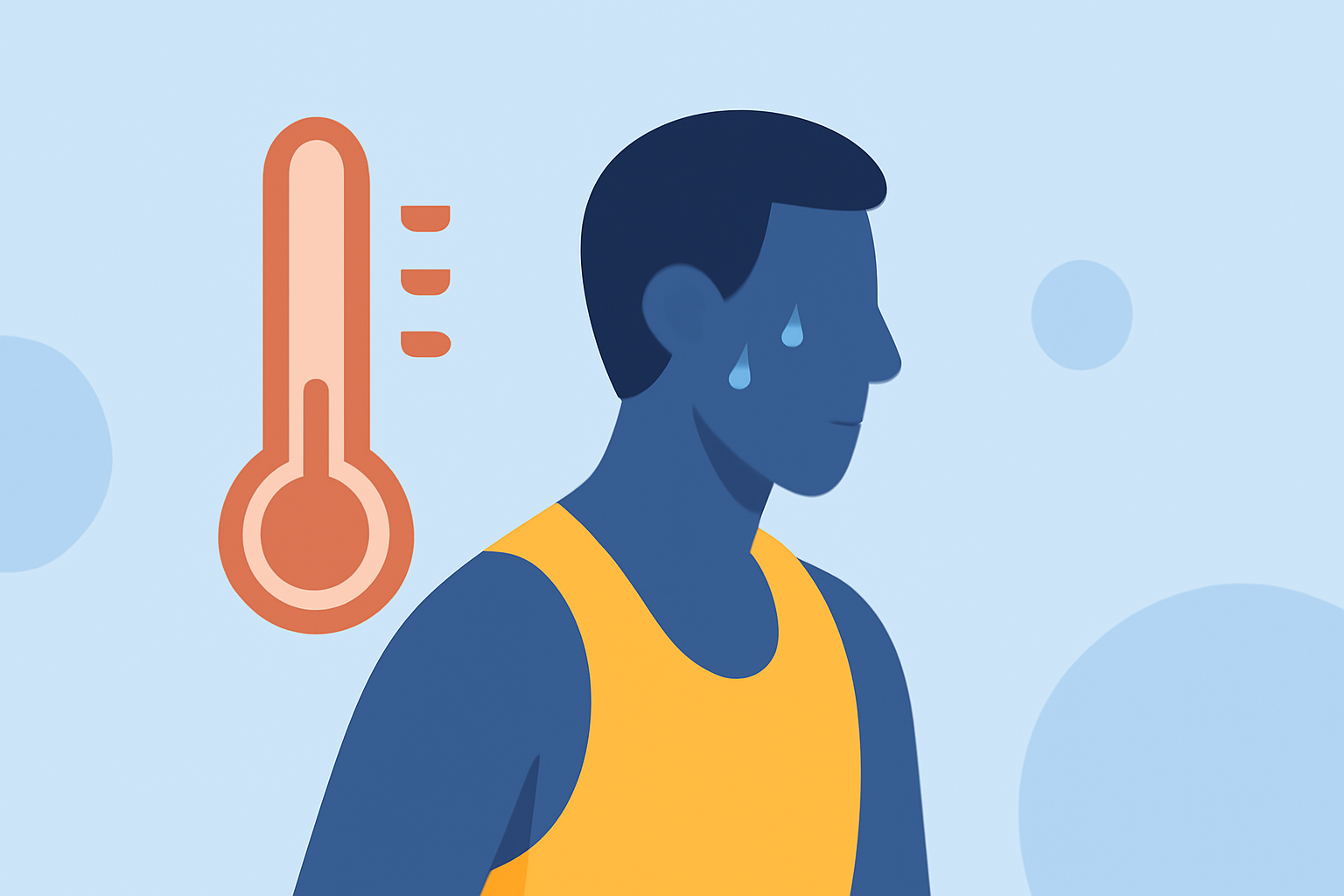
Exercising in hot weather can pose significant health risks, including heat exhaustion and heat stroke. To mitigate these dangers, the National Weather Service (NWS) issues heat-related alerts to inform the public about dangerous heat conditions. Understanding these alerts is crucial for athletes to ensure safety during workouts.
What Are Heat Alerts?
Heat alerts are notifications issued by the NWS to warn the public about potentially hazardous heat conditions. These alerts are designed to prompt individuals to take necessary precautions to prevent heat-related illnesses.
Types of Heat Alerts
The NWS issues several types of heat-related alerts, each indicating different levels of heat risk:
-
Heat Advisory: Issued when heat index values are expected to reach or exceed locally defined criteria for one to two days. Typical values include a maximum daytime heat index greater than or equal to 100°F (38°C) in northern regions and 105°F (41°C) in southern regions, with minimum nighttime temperatures greater than or equal to 75°F (24°C). (congress.gov)
-
Excessive Heat Watch: Issued when conditions are favorable for an extreme heat event to meet or exceed local excessive heat warning criteria in the next 24 to 72 hours. This alert serves as a heads-up for potential extreme heat conditions. (congress.gov)
-
Excessive Heat Warning: Issued when heat index values are expected to meet or exceed locally defined warning criteria for at least two days. Typical values include a maximum daytime heat index greater than or equal to 105°F (41°C) in northern regions and 110°F (43°C) in southern regions, with minimum nighttime temperatures greater than or equal to 75°F (24°C). (congress.gov)
Issuance Criteria and Regional Variations
The criteria for issuing these alerts can vary based on regional climatology and local considerations. For example, in the NWS Baltimore/Washington area, an Excessive Heat Warning is issued when the heat index value is expected to reach or exceed 110°F (43°C) east of the Blue Ridge Mountains or 105°F (41°C) west of the Blue Ridge within the next 12 to 24 hours. (weather.gov)
Staying Safe During Workouts in Hot Conditions
When heat alerts are in effect, it's essential to take precautions to prevent heat-related illnesses:
-
Hydrate: Drink plenty of water before, during, and after exercise.
-
Modify Activities: Consider rescheduling or modifying workouts to cooler times of the day.
-
Wear Appropriate Clothing: Opt for lightweight, light-colored, and loose-fitting clothing.
-
Monitor Symptoms: Be aware of signs of heat exhaustion, such as heavy sweating, weakness, dizziness, nausea, or headache.
Conclusion
Understanding heat alerts and their criteria is vital for athletes to make informed decisions about exercising in hot conditions. By staying informed and taking appropriate precautions, you can ensure your safety and well-being during workouts.
Highlights:
- Understanding Heat Alerts
- Extreme Heat: Background, NOAA’s Role, and Issues for Congress | Congress.gov | Library of Congress, Published on Monday, June 23