
Understanding Heat Waves and Their Impact on Outdoor Sports
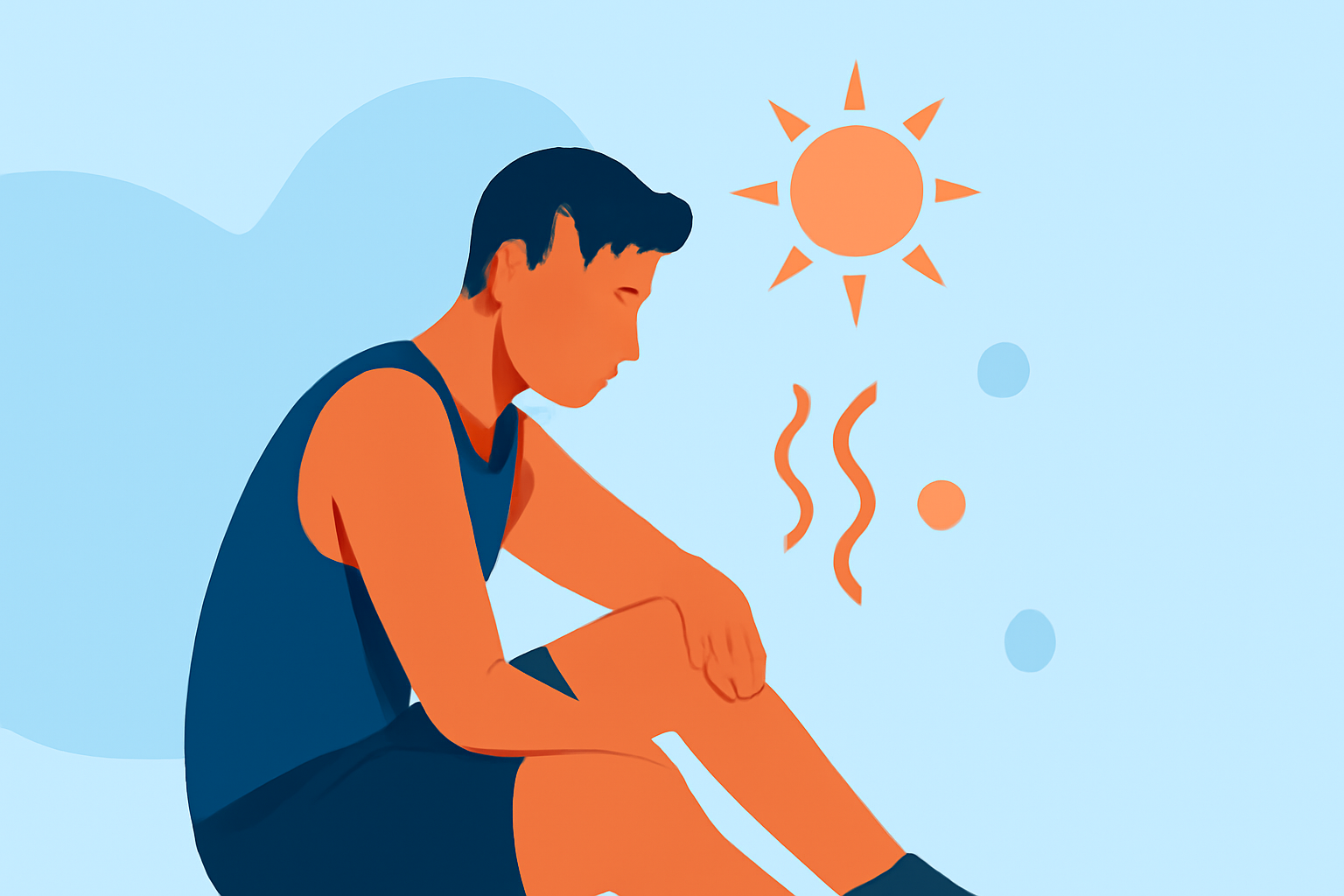
Heat waves, characterized by prolonged periods of excessively hot weather, pose significant risks to outdoor sports activities. Understanding these risks and implementing safety measures are crucial for athletes and enthusiasts.
What Are Heat Waves?
A heat wave is a period of abnormally hot weather, often defined as lasting more than two days. These events can occur with or without high humidity and can cover large areas, exposing many people to hazardous heat. Heat waves can lead to various health issues, including heat-related illnesses. (weather.gov)
How Do Heat Waves Affect Outdoor Sports?
During heat waves, the combination of high temperatures and humidity can make outdoor sports particularly dangerous. The National Weather Service's heat index, which factors in humidity, provides a measure of what temperatures "feel like." For instance, an air temperature of 88°F with 75% relative humidity can feel like 103°F. Such conditions increase the risk of heat-related illnesses among athletes. (climatecentral.org)
What Is the Wet Bulb Globe Temperature (WBGT)?
The Wet Bulb Globe Temperature (WBGT) is an environmental heat-stress metric that considers temperature, humidity, solar radiation, and wind to assess how hot conditions may feel to the body during exercise. WBGT is widely used in heat-safety planning for outdoor activities, including sports. (klimoinsights.com)
How Can Athletes Stay Safe During Heat Waves?
To ensure safety during heat waves, athletes should:
-
Monitor Heat Index and WBGT: Regularly check local heat index and WBGT readings to assess the safety of outdoor activities.
-
Schedule Training Wisely: Opt for early morning or evening sessions when temperatures are lower.
-
Stay Hydrated: Drink plenty of fluids before, during, and after exercise to prevent dehydration.
-
Wear Appropriate Clothing: Choose lightweight, light-colored, and moisture-wicking attire to enhance cooling.
-
Acclimate Gradually: Allow the body to adjust to heat by gradually increasing exercise intensity and duration over several days.
-
Listen to Your Body: Be alert to signs of heat-related illnesses, such as dizziness, nausea, or excessive fatigue, and seek shade or medical attention if symptoms occur.
How Does Clime Support Athletes During Heat Waves?
Clime offers advanced weather monitoring tools that provide real-time heat index and WBGT readings, helping athletes make informed decisions about their training schedules. By integrating Clime's data, athletes can plan workouts during safer times and adjust their activities based on current conditions, reducing the risk of heat-related illnesses.
Conclusion
Heat waves present significant challenges for outdoor sports, but with proper knowledge and precautions, athletes can continue to train safely. Utilizing tools like Clime can enhance safety by providing accurate and timely weather information.
Highlights:
- During a Heat Wave
- When Outdoor Sports Become Risky | Climate Central, Published on Tuesday, August 20
- What Is Wet Bulb Globe Temperature? WBGT Explained | Klimo Insights