
Understanding Heat Waves: Essential Information for Staying Safe
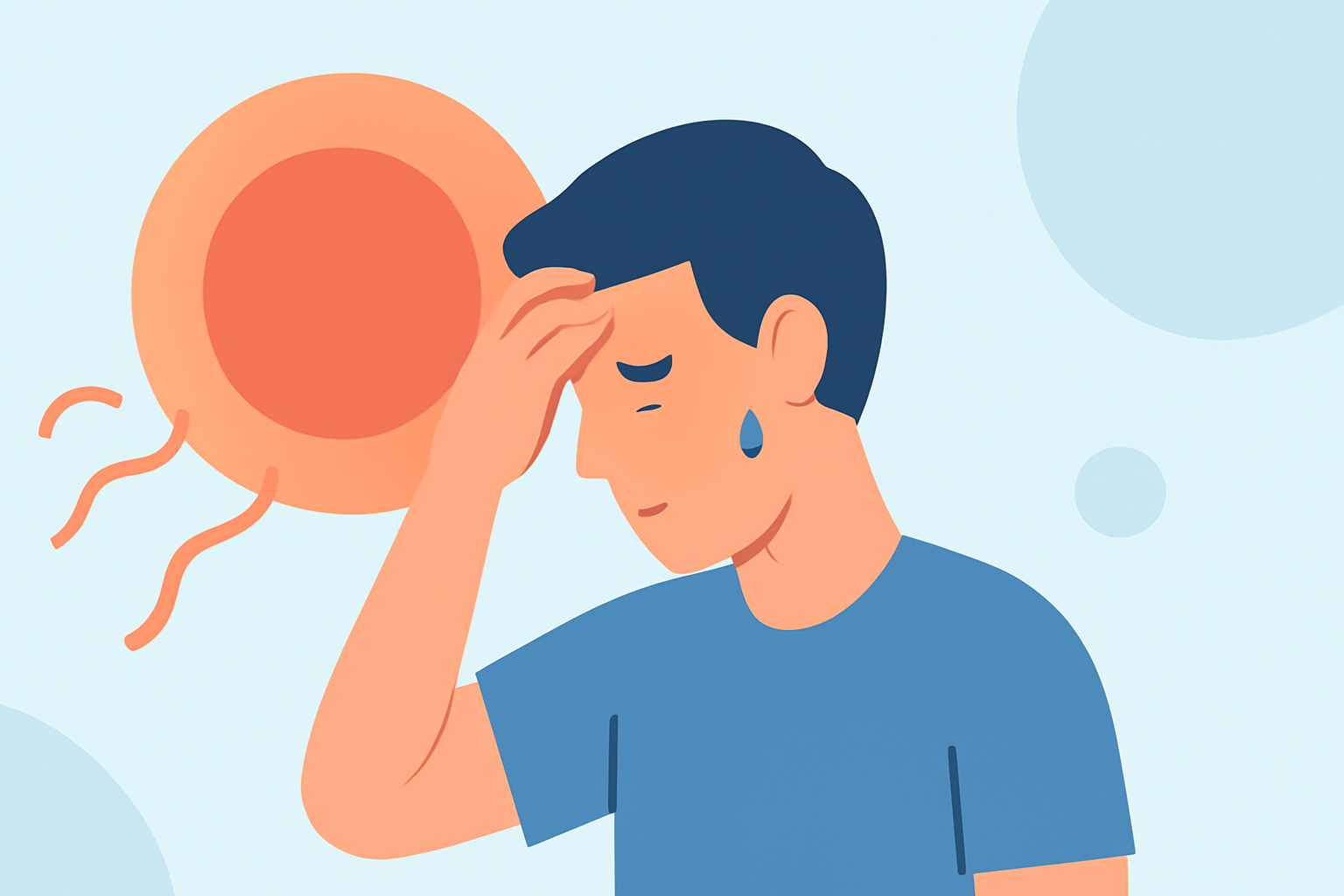
Heat waves are prolonged periods of excessively hot weather, which can pose significant health risks. Understanding the basics of heat waves and implementing protective measures are crucial for your well-being.
What Are Heat Waves?
A heat wave is a prolonged period of excessively hot weather, which can be dangerous to health. These events are becoming more frequent and intense, leading to increased health risks. (cdc.gov)
Why Are Heat Waves Dangerous?
Heat waves can lead to heat-related illnesses, such as heat exhaustion and heat stroke. They can also exacerbate existing health conditions like cardiovascular and respiratory diseases. Vulnerable groups include infants, children, the elderly, and individuals with chronic health conditions. (cdc.gov)
How Can You Protect Yourself During a Heat Wave?
Stay Cool:
-
Indoors: Use air conditioning or visit public places like malls or libraries if you don't have AC. (cdc.gov)
-
Outdoors: Stay in the shade, wear light clothing, and avoid strenuous activities during peak heat hours. (cdc.gov)
Stay Hydrated:
-
Drink plenty of water throughout the day.
-
Avoid alcohol and high-sugar drinks, as they can dehydrate you. (cdc.gov)
Recognize Heat-Related Illnesses:
-
Heat Exhaustion: Symptoms include heavy sweating, weakness, dizziness, nausea, and headaches.
-
Heat Stroke: Symptoms include confusion, loss of consciousness, and a body temperature above 103°F (39.4°C). (cdc.gov)
Plan Ahead:
- Develop a Heat Action Plan with your healthcare provider, especially if you have chronic health conditions. (cdc.gov)
Stay Informed:
-
Monitor local weather forecasts and heat advisories.
-
Check the Air Quality Index (AQI) to understand pollution levels. (cdc.gov)
How Can Clime Help You Stay Safe During Heat Waves?
Clime offers real-time weather updates and heat advisories, helping you stay informed about current conditions and plan your activities accordingly. By providing accurate and timely information, Clime supports your efforts to stay safe during extreme heat events.
FAQs
What are the symptoms of heat exhaustion?
Symptoms include heavy sweating, weakness, dizziness, nausea, and headaches. (cdc.gov)
How can I stay cool during a heat wave?
Stay indoors with air conditioning, wear light clothing, and avoid strenuous activities during peak heat hours. (cdc.gov)
Who is most at risk during heat waves?
Vulnerable groups include infants, children, the elderly, and individuals with chronic health conditions. (cdc.gov)
How can Clime assist during heat waves?
Clime provides real-time weather updates and heat advisories, helping you stay informed and plan activities safely.
What should I do if I experience heat-related illness symptoms?
Move to a cool place, drink water, and seek medical attention if symptoms worsen. (cdc.gov)
Highlights:
- Keeping Cool in a Heat Wave | Natural Disasters | CDC, Published on Wednesday, February 07
- During Hot Weather, Watch for Heat Illness | Natural Disasters | CDC, Published on Wednesday, February 07
- Clinical Overview of Heat | Heat Health | CDC, Published on Wednesday, September 17