
Understanding the Impact of Heatwaves on Urban Air Quality
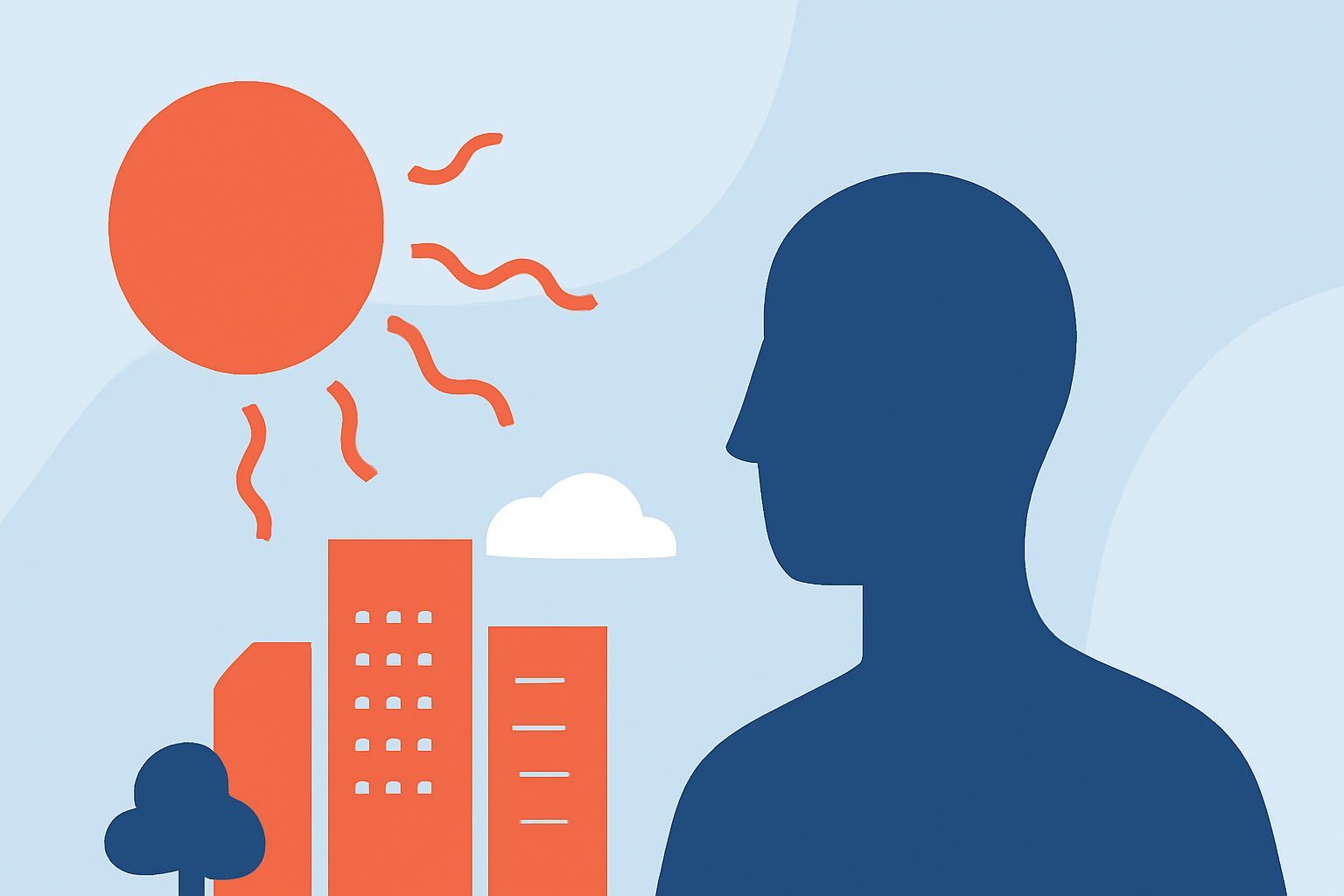
Heatwaves, characterized by prolonged periods of excessively high temperatures, can significantly degrade urban air quality, leading to various health risks. Understanding the interplay between heat and air pollution is crucial for urban residents and policymakers.
How Does Heat Affect Air Quality in Urban Areas?
High temperatures can intensify air pollution in several ways:
-
Ozone Formation: Heat accelerates the chemical reactions that produce ground-level ozone, a major component of smog. Elevated ozone levels can irritate the respiratory system and exacerbate conditions like asthma. (cdc.gov)
-
Particulate Matter (PM) Concentration: Heatwaves can increase the concentration of particulate matter in the air. These tiny particles can penetrate deep into the lungs, leading to respiratory and cardiovascular issues. (cdc.gov)
-
Wildfire Smoke: Higher temperatures can lead to more frequent and intense wildfires, releasing smoke that degrades air quality. For instance, in June 2023, smoke from hundreds of wildfires in Western Canada impacted air quality for nearly 70 million people across 32 U.S. states and Washington D.C. (cdcfoundation.org)
What Are the Health Implications of Poor Air Quality During Heatwaves?
Exposure to degraded air quality during heatwaves can lead to:
-
Respiratory Problems: Inhalation of pollutants can cause coughing, wheezing, and shortness of breath.
-
Cardiovascular Issues: Polluted air can increase the risk of heart attacks, strokes, and other cardiovascular events.
-
Exacerbation of Chronic Conditions: Individuals with asthma, COPD, or other lung diseases may experience worsened symptoms.
-
Heat-Related Illnesses: The combination of heat and pollution can increase the risk of heat exhaustion and heatstroke.
How Can Urban Residents Protect Themselves During Heatwaves?
To safeguard health during heatwaves, consider the following strategies:
-
Stay Informed: Monitor local air quality reports and heat advisories. The Air Quality Index (AQI) provides real-time information on air pollution levels. (cdc.gov)
-
Limit Outdoor Activities: On days with high AQI levels, reduce outdoor exertion, especially during peak heat hours.
-
Create a Heat Action Plan: Develop a plan that includes staying hydrated, seeking cooler environments, and having access to cooling resources. (cdc.gov)
-
Use Air Quality Tools: Utilize tools like the HeatRisk tool to assess heat-related health risks and the AQI to evaluate air quality. (ephtracking.cdc.gov)
How Can Communities Mitigate the Effects of Heatwaves on Air Quality?
Communities can implement several measures to reduce the impact of heatwaves on air quality:
-
Increase Green Spaces: Planting trees and creating parks can help cool urban areas and improve air quality. (public.wmo.int)
-
Promote Sustainable Transportation: Encouraging the use of public transit, cycling, and walking can reduce vehicle emissions, a major source of air pollution.
-
Implement Urban Planning Strategies: Designing cities to reduce heat retention, such as using reflective materials and increasing vegetation, can help mitigate heat effects.
How Does Clime Address Air Quality Monitoring During Heatwaves?
Clime offers advanced air quality monitoring solutions that provide real-time data on pollutants, including ozone and particulate matter. By integrating Clime's monitoring systems, urban planners and health officials can make informed decisions to protect public health during heatwaves.
What Are the Benefits of Using Clime's Air Quality Monitoring Solutions?
-
Real-Time Data: Access up-to-date information on air quality, enabling timely responses to pollution events.
-
Comprehensive Coverage: Monitor multiple pollutants simultaneously, providing a holistic view of air quality.
-
User-Friendly Interface: Clime's platform offers intuitive dashboards, making it easy for users to interpret data and take necessary actions.
How Can Clime's Solutions Be Integrated into Community Health Strategies?
By incorporating Clime's air quality monitoring solutions into community health strategies, cities can:
-
Enhance Public Awareness: Provide residents with accessible information on air quality, empowering them to make informed health decisions.
-
Support Policy Development: Use data-driven insights to develop policies aimed at improving air quality and public health.
-
Facilitate Emergency Responses: Quickly identify areas with poor air quality to implement targeted interventions during heatwaves.
By understanding the relationship between heatwaves and air quality, and by leveraging advanced monitoring tools like Clime's solutions, communities can better protect public health and create more resilient urban environments.