
Understanding HEPA Filters and Their Role in Air Quality
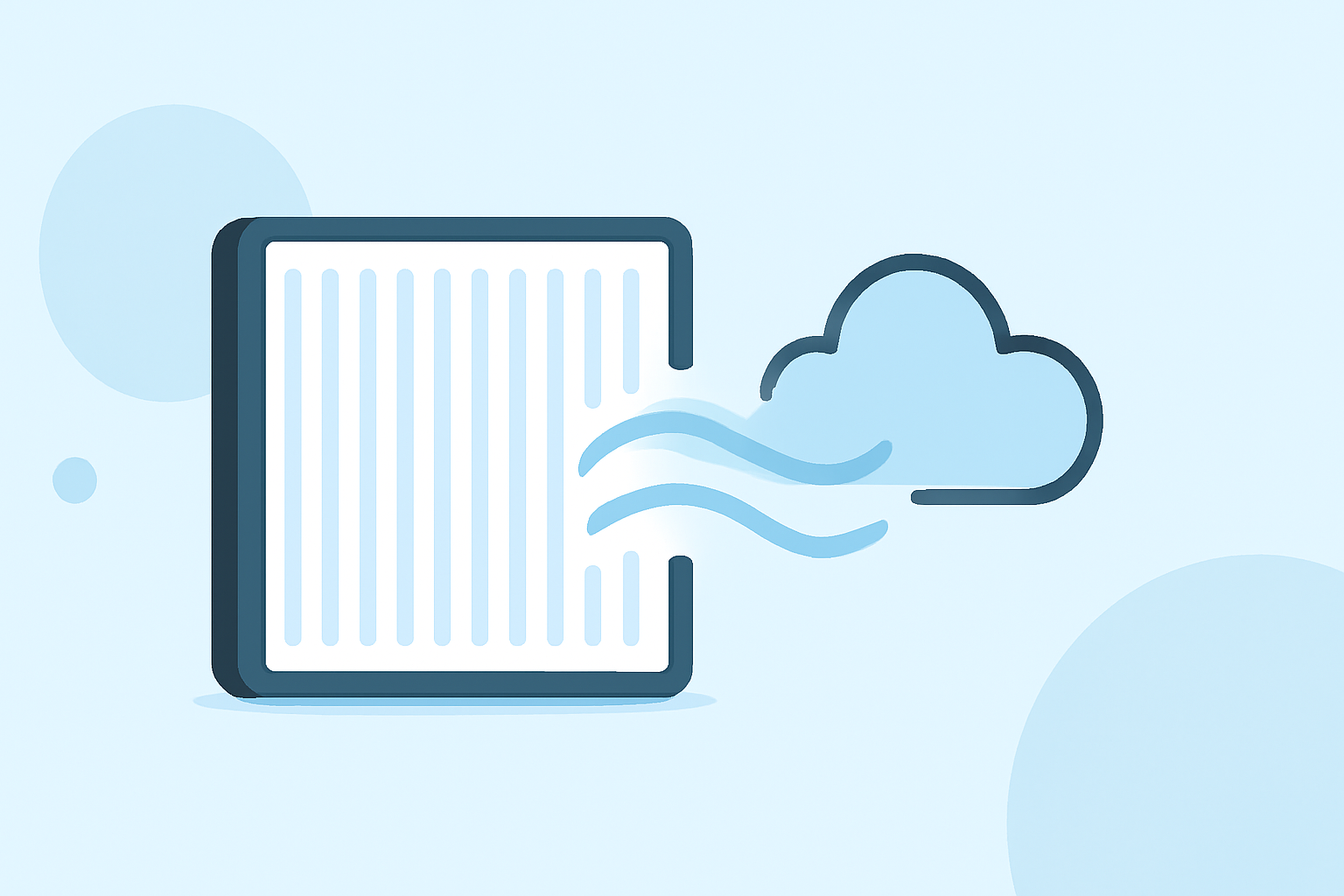
High-Efficiency Particulate Air (HEPA) filters are specialized air filters designed to trap airborne particles, thereby enhancing indoor air quality. To be classified as a HEPA filter, it must capture at least 99.97% of particles that are 0.3 micrometers in diameter, which is considered the most penetrating particle size. (epa.gov)
How Do HEPA Filters Work?
HEPA filters consist of a dense mat of randomly arranged fibers, typically made from glass or synthetic materials. As air passes through the filter, particles are trapped through several mechanisms:
-
Interception: Particles following the airflow come within one radius of a fiber and stick to it.
-
Impaction: Larger particles cannot follow the airstream's curves and collide directly with the fibers.
-
Diffusion: The smallest particles move erratically due to collisions with gas molecules, increasing their chance of hitting a fiber.
These combined actions enable HEPA filters to effectively capture a wide range of particle sizes. (hepa.info)
What Do HEPA Filters Capture?
HEPA filters are effective against various airborne pollutants, including:
-
Dust and Dirt: Common household dust particles.
-
Pollen: A major allergen during certain seasons.
-
Mold Spores: Can contribute to respiratory issues.
-
Pet Dander: Tiny flakes from animal skin that can trigger allergies.
-
Bacteria and Viruses: While HEPA filters can capture some bacteria and viruses, their effectiveness may vary based on particle size and other factors. (techradar.com)
However, HEPA filters are not effective against gases, odors, or volatile organic compounds (VOCs). For these pollutants, additional filtration methods, such as activated carbon filters, are necessary. (hepa.info)
Applications of HEPA Filters
HEPA filters are utilized in various settings to improve air quality:
-
Air Purifiers: Portable devices that clean indoor air by removing airborne particles.
-
Vacuum Cleaners: Capture fine dust and allergens, preventing them from being released back into the air.
-
HVAC Systems: In some cases, HEPA filters are used in heating, ventilation, and air conditioning systems to enhance air quality. (techradar.com)
Maintenance and Replacement
To maintain optimal performance, HEPA filters require regular maintenance:
-
Replacement Frequency: Typically, HEPA filters should be replaced every 6 to 12 months, depending on usage and environmental conditions. (idealhome.co.uk)
-
Cleaning: Most HEPA filters are not washable. Attempting to clean them can damage the filter and reduce its effectiveness. (tomsguide.com)
Conclusion
HEPA filters play a crucial role in enhancing indoor air quality by effectively capturing a wide range of airborne particles. Understanding their function and proper maintenance can help ensure a healthier indoor environment.
Highlights:
- We spent over 800 hours testing the best air purifiers - here are our top 7, Published on Monday, June 15
- 5 things to look for in an air purifier for hay fever, Published on Saturday, May 24
- 6 questions to ask before choosing an air purifier, Published on Saturday, May 10