
Understanding HEPA Filters: Essential for Air Quality
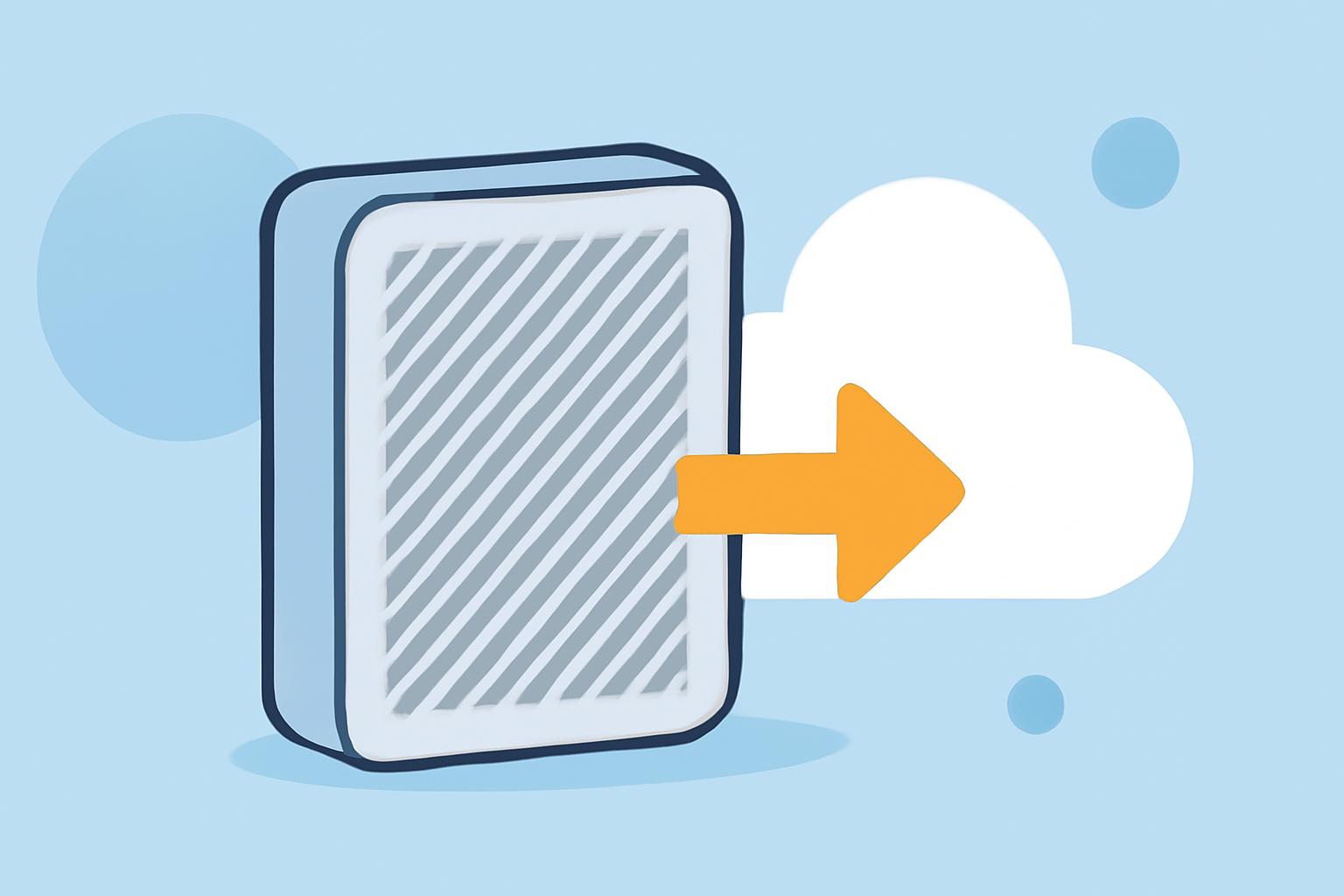
High-Efficiency Particulate Air (HEPA) filters are specialized air filters designed to trap a significant percentage of airborne particles, thereby improving indoor air quality. To be classified as a true HEPA filter, it must capture at least 99.97% of particles that are 0.3 microns in diameter, which is considered the most penetrating particle size. (epa.gov)
How Do HEPA Filters Work?
HEPA filters consist of a dense, pleated mat of fine fibers, typically made from glass or plastic. As air passes through the filter, particles are trapped through several mechanisms:
-
Interception: Particles following the airstream pass close enough to a filter fiber that the particle's edge touches the fiber and sticks.
-
Inertial Impaction: Larger particles, due to their mass, are unable to follow the airstream and collide with the fibers.
-
Diffusion: Very small particles move erratically and are more likely to collide with fibers.
-
Electrostatic Attraction: Some filters are electrostatically charged, attracting oppositely charged particles.
These combined mechanisms ensure that HEPA filters effectively capture a wide range of airborne pollutants, including dust, pollen, mold, bacteria, and even viruses. (britannica.com)
Benefits of HEPA Filters
-
Allergen Reduction: By capturing airborne allergens, HEPA filters can help alleviate symptoms for individuals sensitive to pollen, pet dander, and dust mites.
-
Improved Respiratory Health: Removing pollutants from the air can reduce the risk of respiratory issues and improve overall lung health.
-
Enhanced Air Quality: Regular use of HEPA filters contributes to cleaner indoor air, promoting a healthier living environment.
Clime's Commitment to Air Quality
At Clime, we prioritize your health and well-being by offering advanced air purification solutions that incorporate HEPA filtration technology. Our products are designed to effectively remove airborne contaminants, ensuring that you breathe cleaner, healthier air. By integrating Clime's air purifiers into your home or workspace, you can experience the benefits of improved air quality firsthand.
Maintenance and Replacement
To maintain optimal performance, HEPA filters require regular maintenance and timely replacement. It's essential to follow the manufacturer's guidelines for cleaning and replacing filters to ensure continued efficiency. Typically, HEPA filters should be replaced every 6 to 12 months, depending on usage and environmental conditions. (techradar.com)
Conclusion
HEPA filters play a crucial role in enhancing indoor air quality by effectively capturing a wide range of airborne particles. Incorporating HEPA filtration into your environment, such as through Clime's air purifiers, can lead to a healthier and more comfortable living or working space.
Highlights:
- We spent over 800 hours testing the best air purifiers - here are our top 7, Published on Monday, June 15
- 5 things to look for in an air purifier for hay fever, Published on Saturday, May 24
- 6 questions to ask before choosing an air purifier, Published on Saturday, May 10