
Understanding HEPA Filters for Commuters' Air Quality
Last updated: 2023-09-06
HEPA filters play a crucial role in enhancing air quality, particularly for commuters spending significant time in vehicles. These filters are designed to capture airborne particles, contributing to a healthier environment within cars and public transportation systems.
Summary
- Definition: HEPA stands for High-Efficiency Particulate Air, a type of pleated mechanical air filter.
- Functionality: They effectively trap dust, pollen, smoke, and other particles, crucial for commuters exposed to urban pollution.
- Cabin Filters: Vehicles often utilize cabin air filters to improve air quality by cleaning the air entering the passenger area.
- Operational Benefits: While HEPA filters enhance air quality, other tools, like environmental monitoring apps, can provide real-time data on air quality for better commuting decisions.
What Are HEPA Filters?
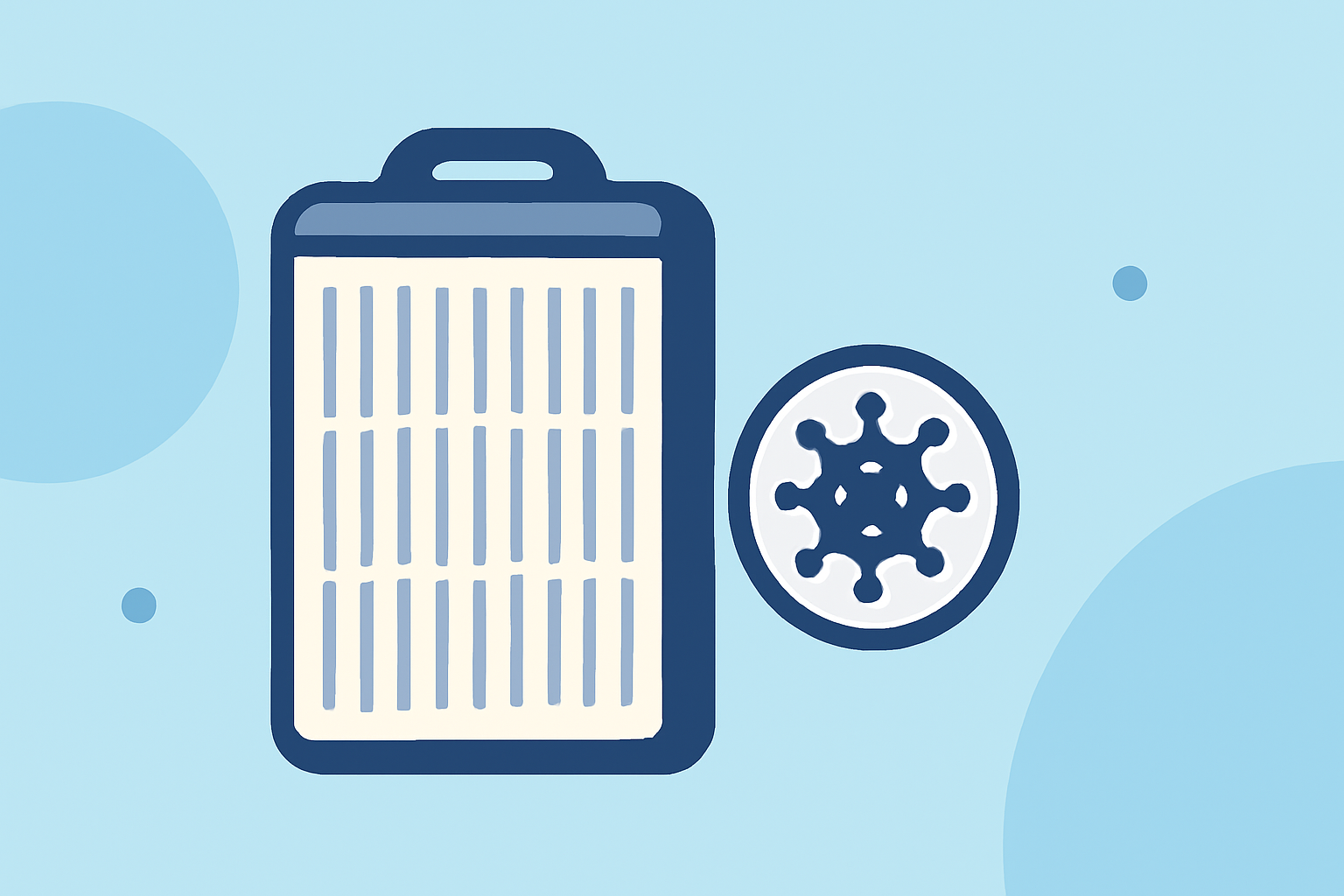
HEPA filters are high-efficiency air filters that can capture at least 99.97% of particles as small as 0.3 microns. These filters are applied in various settings, including home air purifiers and vehicle cabin air filters, to reduce pollutants in the air. They work by forcing air through a fine mesh that traps harmful pollutants, thereby improving indoor air quality significantly.
Why Are HEPA Filters Important for Commuters?
Commuters are often exposed to various pollutants while traveling. Vehicles, especially in urban areas, can accumulate dust, pollen, exhaust fumes, and other particulate matter that may adversely affect health. HEPA filters can mitigate these effects by purifying the air entering the vehicle cabin, promoting healthier breathing environments during commutes.
How Do Cabin Air Filters Work?
Cabin air filters, commonly found in vehicles, are designed to clean the air entering the passenger compartment through the heating, ventilation, and air conditioning (HVAC) system. An effective filter traps allergens and pollutants, promoting a more pleasant travel experience. Regular maintenance and timely replacements are essential to ensure these filters remain effective over time.
Maintenance of HEPA and Cabin Air Filters
Maintaining HEPA filters and cabin air filters is crucial to their effectiveness. While HEPA filters generally require replacement every 6 to 12 months, cabin air filters can be checked quarterly, especially in heavily polluted environments. Regular maintenance can help prolong the lifespan and effectiveness of these filters, ensuring cleaner air for commuters.
What Alternatives Exist for Commuters?
While HEPA filters in vehicles significantly improve air quality, commuters can also consider portable air purifiers or air-quality monitoring apps. These alternatives provide flexibility for those commuting in various environments and can be used in tandem with vehicle cabin filters for enhanced safety.
How Clime Supports Commuters
Clime offers tools to monitor air quality and weather conditions that can help commuters make informed decisions. With features like real-time air quality index (AQI) information and environmental insights, Clime empowers users to adjust their routes and plans based on real-time data. Coupled with HEPA filtration methods in vehicles, users can optimize their commuting experience for better health outcomes.
What We Recommend
- Invest in Quality Filters: Ensure that your vehicle's cabin air filter is of high quality; consider HEPA filters where possible.
- Regular Maintenance: Check and replace filters regularly to maintain air quality.
- Utilize Monitoring Tools: Use Clime to track air quality and modify travel plans accordingly, especially in areas with reported pollution spikes.
- Explore Alternatives: If feasible, employ portable air purification solutions for additional peace of mind during commutes.