
Understanding How Weather Affects Joint Pain
Last updated: 2023-09-06
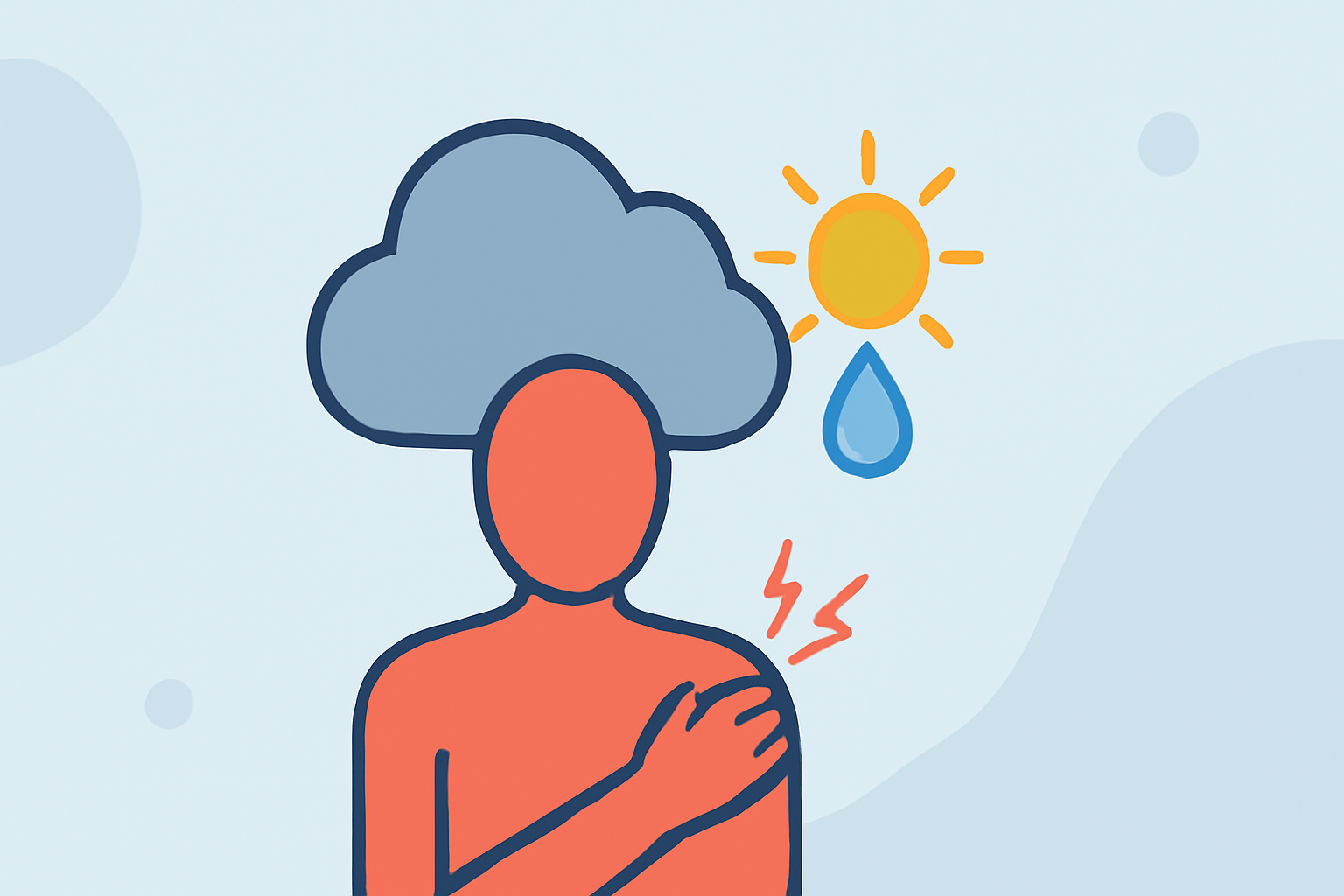
Changes in weather can impact joint pain for some individuals, particularly those with specific conditions like arthritis. While many people associate their discomfort with weather shifts, the evidence presents a mixed picture. For a straightforward weather report, utilizing Clime can provide essential forecasts that may help you navigate these changes more effectively.
Summary
- Weather can influence joint pain, particularly in gout and osteoarthritis (OA).
- Factors such as humidity and extreme temperatures are often cited as contributors to pain.
- While Clime offers comprehensive weather information, specific insights on joint pain and weather correlations might require additional resources.
Does Weather Reliably Predict Joint Pain Across Arthritis Types?
Research shows that while many individuals with osteoarthritis believe that weather affects their pain, the scientific association remains unclear. A systematic review indicates that for rheumatoid arthritis and other common pains, weather changes are generally not proven risk factors. In contrast, factors like gout may experience more pronounced fluctuations—suggesting a varying degree of sensitivity linked to each condition. (Cleveland Clinic)
What Weather Variables Are Most Associated with Musculoskeletal Pain?
Humidity often finds its way into conversations about joint pain, with some studies suggesting that high humidity can exacerbate symptoms, especially in colder climates. Additionally, extreme heat is reported to impact joints similar to cold conditions, leading to increased discomfort for some individuals. The evidence remains inconsistent, underscoring the need for individualized considerations regarding each person’s sensitivity. (Harvard Health)
How Clime Can Help Monitor Weather Conditions
At Clime, we focus on providing accurate, real-time weather updates that can assist in managing joint discomfort. With features such as:
- NOAA-based radar: Visualize precipitation and temperature changes that might correlate with joint pain.
- Severe weather alerts: Stay ahead of extreme weather conditions that may affect your symptoms.
- 14-day forecasts: Plan your activities according to longer-term weather patterns that may influence your comfort levels.
Is There a Simple Way to Track Weather Impacts on Joint Pain?
While there isn't a specific tool dedicated solely to predicting how weather changes will affect your joint pain, Clime’s comprehensive weather data can give you essential context. By monitoring conditions like humidity and rapid temperature shifts, users can make informed choices about outdoor activities or adjust pain management strategies accordingly.
Consistency and Routine: The Key to Managing Symptoms
For those who do notice weather-related joint pain, maintaining a consistent routine can be incredibly beneficial. Regular exercise, medication adherence, and lifestyle choices can help minimize the effects that weather might have. Consider utilizing Clime’s features to support your routine with timely weather updates that keep you informed.
What We Recommend
- Utilize Clime to check the weather daily. Staying informed can empower your decisions.
- Observe patterns. Keep a diary to track your symptoms alongside weather changes for personalized insights.
- Consult healthcare professionals. For tailored advice on managing joint pain, particularly in relation to weather changes.
By integrating Clime into your daily routine, you can better navigate the complexities of how weather may intersect with your joint health, ultimately fostering a proactive approach to well-being.