
Understanding How Weather Affects Outdoor Fishing
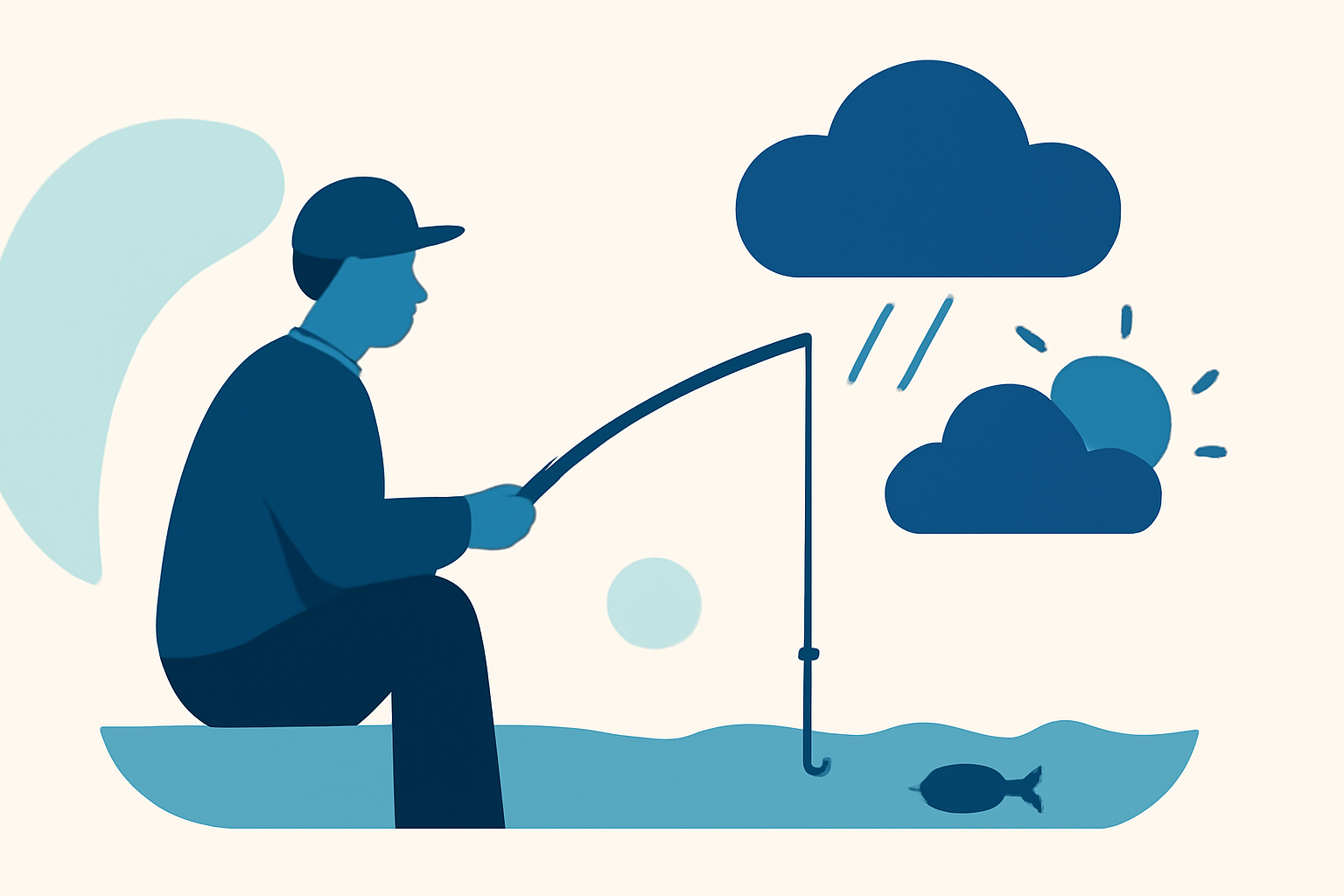
Fishing is not just about casting a line; it's about understanding the environment. Weather plays a pivotal role in determining fish behavior, feeding patterns, and overall fishing success. By grasping how different weather conditions impact aquatic life, anglers can significantly improve their chances of a fruitful catch.
How Does Weather Influence Fish Behavior?
Fish are ectothermic, meaning their internal body temperature aligns with the surrounding water. This biological trait makes them highly sensitive to atmospheric changes. Key weather factors such as barometric pressure, wind direction, cloud cover, and precipitation can all influence fish activity.
Barometric Pressure
Barometric pressure refers to the weight of the atmosphere pressing down on the Earth's surface. Fish can detect changes in this pressure, which often precede weather shifts. A falling barometer typically indicates an approaching storm, leading to increased fish activity as they feed more aggressively before the weather changes. Conversely, rising pressure suggests stable, clear conditions, which may cause fish to become less active. (nationalfishingauthority.com)
Wind Direction and Speed
Wind affects water currents, surface temperatures, and the distribution of food sources. A south or southwest wind often brings warm, moist air, creating favorable fishing conditions. In contrast, a north or northwest wind can signal a cold front, leading to cooler temperatures and potentially less active fish. Moderate winds (5-12 mph) can be beneficial, as they help mask an angler's presence and create ripples that reduce surface glare, making fish less cautious. (bestdaystofish.com)
Cloud Cover
Overcast skies can be advantageous for fishing. The diffused light reduces surface glare, allowing fish to venture into shallower waters throughout the day. Species like walleye, pike, and muskie are particularly responsive to these conditions, often feeding more actively under cloudy skies. (slammingbass.com)
Precipitation
Rain can have a dual effect on fishing. Light rain may cool the water and increase oxygen levels, encouraging fish to feed. Additionally, rain can wash insects, worms, and other prey into the water, attracting fish. However, heavy rain can lead to murky waters, making it challenging for fish to locate food and for anglers to see fish. It's essential to assess the intensity and duration of rainfall to determine its impact on fishing conditions. (discoverboating.com)
Seasonal Weather Patterns and Fishing
Understanding seasonal weather patterns is crucial for planning successful fishing trips.
Winter Cold Fronts (December–March)
During winter, cold fronts are common, bringing cool, dry northwest winds. Before these fronts arrive, fish often feed aggressively due to falling pressure and warmer conditions. After the front passes, fishing can be slower for a day or two as water temperatures drop. By the second or third day post-front, conditions stabilize, and fishing typically improves. (stlucieweather.com)
Summer Thunderstorms (June–September)
In summer, daily thunderstorms are prevalent. The period leading up to a storm, characterized by rising humidity and slightly falling pressure, can be excellent for fishing. Fish often feed more actively during this time, making it a prime opportunity for anglers. (stlucieweather.com)
Strategies for Fishing in Various Weather Conditions
Adapting your fishing approach to current weather conditions can enhance your success.
Fishing Before a Storm
As a storm approaches, fish often feed more aggressively. This is an ideal time to use faster-moving lures and cover more water to locate active fish. Species like bass, northern pike, and crappie are especially responsive during this period. (nationalfishingauthority.com)
Fishing After a Storm
Post-storm conditions can be challenging due to murky waters and fluctuating temperatures. It's advisable to fish in areas with clearer water and to use lures that can be seen in low-visibility conditions. Fish may be less active immediately after a storm but can become more active as conditions stabilize. (discoverboating.com)
Fishing in Overcast Conditions
Overcast days often lead to increased fish activity. Utilize this to fish in shallower waters and use lures that mimic the prey species present. Species like walleye, pike, and muskie are particularly responsive to these conditions. (slammingbass.com)
Utilizing Technology to Enhance Fishing Success
Modern tools can assist anglers in making informed decisions. Fishing-specific weather apps provide real-time data on cloud cover, wind direction, and best feeding windows. These insights can help anglers plan trips and adjust strategies based on current conditions. (currentfishing.com)
Conclusion
Weather is a fundamental factor in fishing success. By understanding how various weather conditions affect fish behavior and adapting your strategies accordingly, you can significantly enhance your fishing experience. Staying informed and flexible in your approach will lead to more productive and enjoyable fishing trips.