
Understanding Humidity for Indoor Plants: A Comprehensive Guide
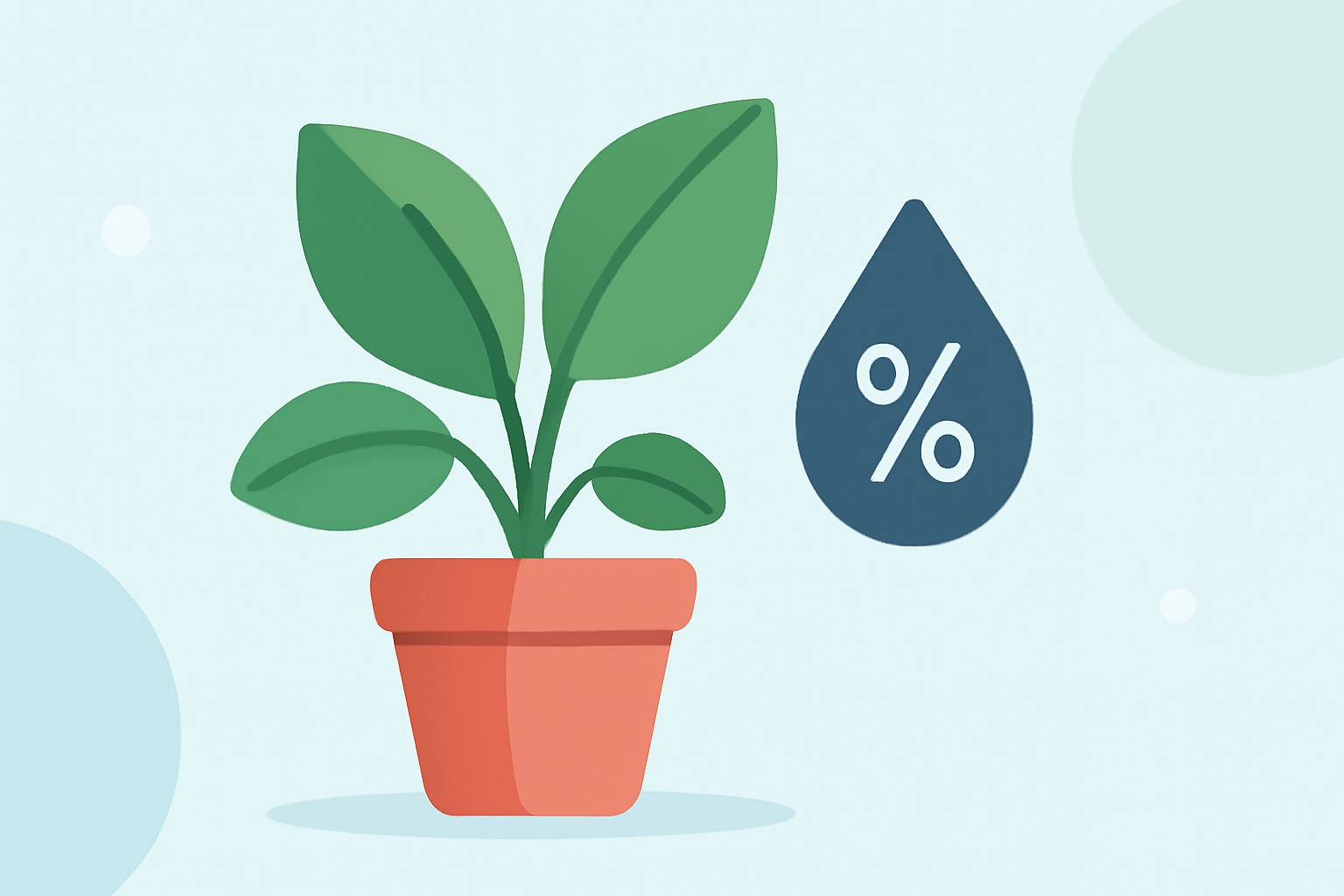
Maintaining the right humidity levels is crucial for the health of your indoor plants. Humidity, the amount of moisture in the air, affects plant processes like transpiration and nutrient uptake. Understanding and controlling indoor humidity can lead to thriving, vibrant plants.
What Are the Ideal Humidity Levels for Indoor Plants?
Most indoor plants flourish in environments with a relative humidity (RH) between 40% and 60%. This range supports healthy transpiration and minimizes the risk of fungal diseases. However, specific plant species have unique humidity requirements:
-
Tropical Plants: Species like ferns, calathea, and anthurium thrive in higher humidity levels, typically between 60% and 80%. These plants originate from rainforests where moisture is abundant. (greeneryinsight.com)
-
Succulents and Cacti: Adapted to arid environments, these plants prefer lower humidity, around 10% to 30%. Excess moisture can lead to rot and other issues. (greeneryinsight.com)
How Does Humidity Affect Plant Health?
Humidity influences several aspects of plant health:
-
Transpiration: The process by which plants release water vapor. Optimal humidity ensures efficient nutrient uptake and growth.
-
Disease Prevention: Proper humidity levels reduce the risk of fungal infections and mold growth.
-
Leaf Health: Inadequate humidity can cause leaf edges to brown and curl, signaling stress.
How Can You Measure and Monitor Indoor Humidity?
To maintain the ideal humidity for your plants, it's essential to monitor indoor conditions:
-
Use a Hygrometer: This device measures the RH in your home. Place it near your plants to get accurate readings. Digital hygrometers are recommended for their precision. (gardenandplants.com)
-
Regular Monitoring: Check humidity levels at different times of the day, as they can fluctuate. Consistent monitoring helps in making timely adjustments.
What Are Effective Methods to Adjust Indoor Humidity?
Depending on your home's humidity levels and the needs of your plants, consider the following:
-
Increase Humidity:
-
Humidifiers: Place a cool-mist humidifier near your plants to raise humidity levels. Ensure regular cleaning to prevent mold and bacteria buildup. (floravines.com)
-
Pebble Trays: Fill a shallow tray with pebbles, add water until it just covers the pebbles, and place it near your plants. As the water evaporates, it increases local humidity. (foxrunenvironmentaleducationcenter.org)
-
Decrease Humidity:
-
Ventilation: Ensure proper airflow to reduce moisture buildup.
-
Dehumidifiers: In areas with high humidity, using a dehumidifier can help maintain optimal levels.
How Do Seasonal Changes Affect Indoor Humidity?
Indoor humidity levels can vary with the seasons:
-
Winter: Heating systems often dry out indoor air, reducing humidity. This can be challenging for tropical plants. Using humidifiers or placing plants in more humid areas, like bathrooms, can help. (greeneryinsight.com)
-
Summer: Warmer temperatures can increase humidity, benefiting tropical plants. However, in air-conditioned homes, humidity may drop, requiring adjustments.
What Are Common Signs of Improper Humidity?
Plants often exhibit symptoms when humidity is not ideal:
-
Low Humidity:
-
Crispy leaf edges
-
Leaf curling
-
Increased susceptibility to pests
-
High Humidity:
-
Mold or mildew growth
-
Yellowing leaves
-
Root rot
How Can You Create a Humid Environment for Your Plants?
To support humidity-loving plants, consider:
-
Grouping Plants Together: This creates a microenvironment with higher humidity.
-
Using Humidifiers: Place them near your plant collection to maintain desired humidity levels.
-
Misting: Lightly misting plants can temporarily increase humidity but should be done cautiously to avoid mold growth.
By understanding and managing indoor humidity, you can create a thriving environment for your plants, ensuring they remain healthy and vibrant.
Highlights:
- How Humid Should My House Be? The Big Guide to Getting It Right for Each Season, Each Room, and for Your Houseplants, Published on Monday, September 01