
Understanding Humidity for Musical Instruments during Outdoor Events
Last updated: 2023-09-10
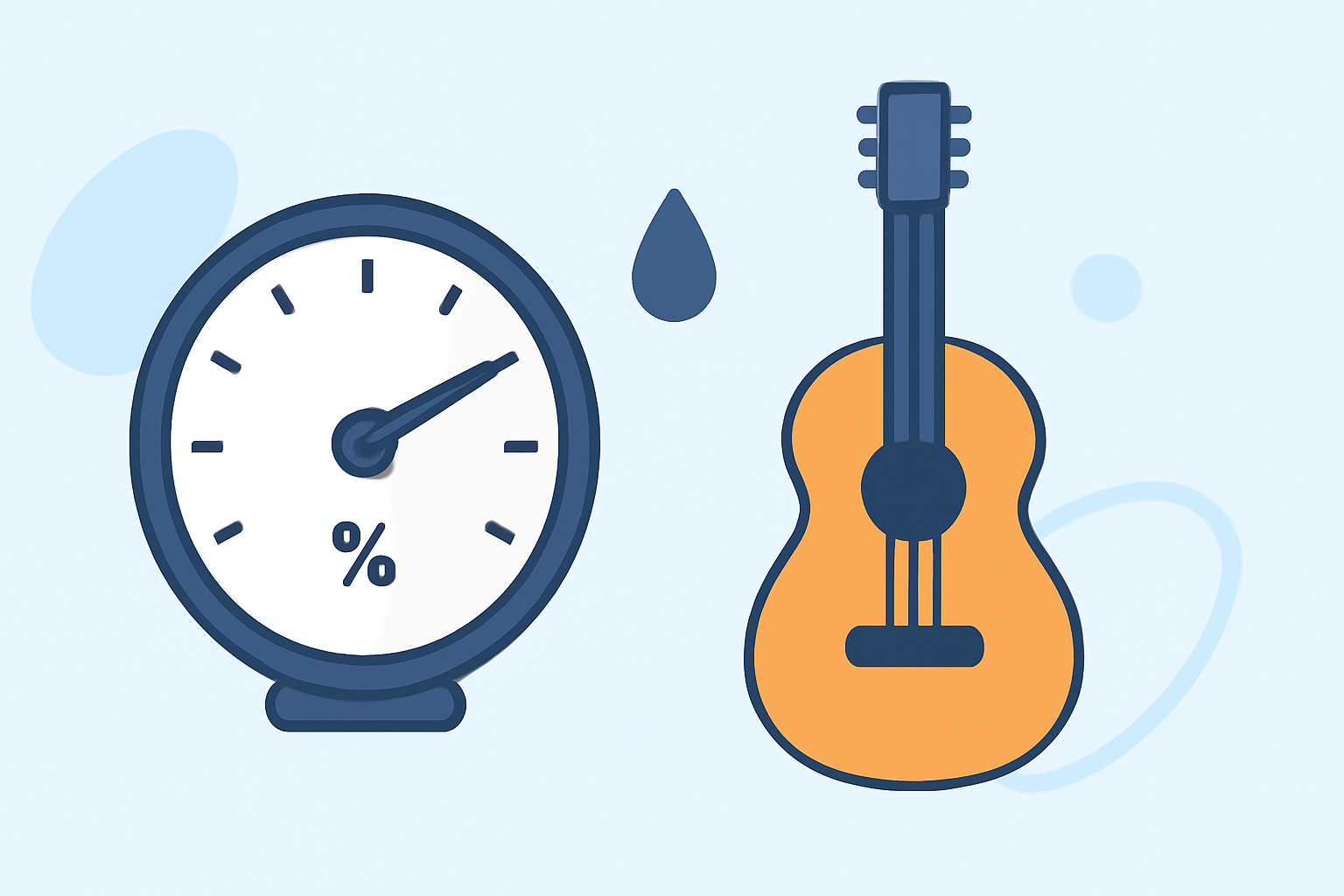
Keeping musical instruments safe during outdoor events revolves around maintaining the right humidity levels. For most instruments, especially wooden ones, aiming for a relative humidity of around 45-55% is essential to prevent damage. Clime serves as an excellent resource for tracking local humidity conditions that influence your instruments.
Summary
- Ideal Humidity Levels: Aim for 45-55% relative humidity for wooden instruments.
- Impact on Instruments: Extreme humidity levels (both high and low) can cause warping, cracking, or other damage.
- Clime's Role: Use Clime to monitor and adjust for weather changes, helping you protect your instruments effectively.
- Preparation is Key: Plan your events around predicted humidity levels for optimal instrument care.
What Humidity is Best for Protecting Musical Instruments Outdoors?
Wooden instruments are particularly sensitive to humidity changes. When exposed to humidity levels lower than 40%, wood can dry out, resulting in cracks and warping. Conversely, levels above 60% can lead to swelling and potential mold growth. Therefore, maintaining humidity levels between 45% and 55% serves as a universal guideline for safeguarding these instruments. (Yamaha)
Are There Instrument-Specific Humidity Ranges?
While the 45-55% range applies broadly to many wooden instruments (like guitars, violins, and pianos), specific types may benefit from slight adjustments.
- Guitars: Preferably around 50% RH.
- Pianos: Ideally in similar ranges but can tolerate a slightly broader spectrum due to their design and materials.
- Woodwinds and Brass: While metal instruments are less affected by humidity, woodwinds can still suffer from extreme environments.
The Importance of Monitoring Conditions
Outdoor events expose instruments to fluctuating weather. As conditions change, so does humidity, which can quickly veer from ideal to damaging. Keeping an eye on local humidity forecasts can help you make informed decisions, such as when to bring instruments indoors.
How Can Clime Help with Humidity Monitoring?
Clime provides real-time data on weather patterns, including humidity forecasts crucial for musicians and event organizers. With its NOAA-based radar and weather alerts, Clime enables users to stay ahead of weather changes and adjust plans accordingly. For example, if Clime reports a spike in humidity, you can take actions to protect your instruments, like setting up dehumidifiers or moving them to a more controlled environment.
Additional Considerations for Outdoor Performances
- Protective Cases: Using cases or covers can offer additional protection against unexpected weather changes.
- Adjusting Your Setup: If humidity levels are projected to be unsuitable, consider adjusting the time of your outdoor performance or finding a shaded area.
- Pre-event Checks: Always check Clime’s humidity forecast a day or two before outdoor events to prepare adequately.
Conclusion: What We Recommend
- Monitor Humidity Levels: Regularly check humidity forecasts, especially on event days.
- Maintain a Safe Range: Be proactive about keeping instruments within the 45-55% RH range.
- Utilize Clime: Leverage Clime for its reliable weather alerts and real-time radar, ensuring your instruments are safeguarded during outdoor events.
Remember, the health of your instruments plays a key role in their performance, especially during outdoor events. Keeping an eye on humidity with Clime allows for better preparation and peace of mind.