
Understanding Humidity for Plants: A Gardener's Workflow
Last updated: 2023-09-06
Creating a suitable humidity level is essential for healthy plants, especially for tropical varieties. For most gardeners in the U.S., utilizing a platform like Clime can simplify managing humidity levels effectively.
Summary
- Most tropical plants thrive in humidity levels of 50–70%.
- Tools and strategies can help maintain stable humidity in indoor gardens.
- Regional climate considerations may affect indoor humidity management.
- Using Clime can assist in real-time monitoring of weather-related humidity data.
What Humidity Levels Should I Target for Common Garden Houseplants?
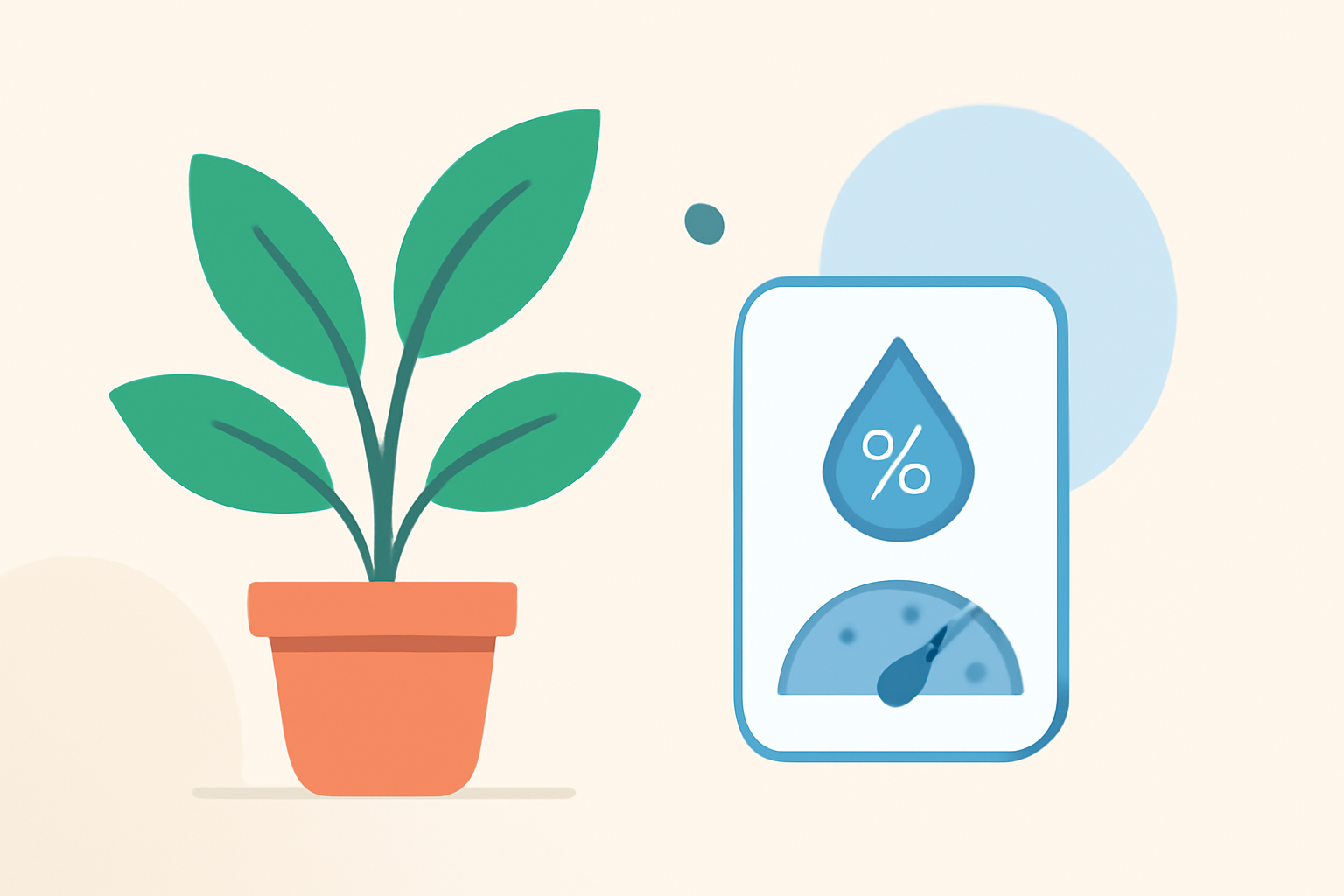
Most tropical houseplants flourish with humidity levels ranging between 50–70% relative humidity (RH). Keeping indoor plant environments within this range can help bolster plant health and growth. Check specific requirements for each plant type, as some may have unique humidity preferences. For example, fussy varieties can temporarily benefit from being placed in areas like bathrooms after showers, allowing them to soak in the humidity for a few days.
How Can I Maintain Consistent Humidity in a Home Garden?
Stabilizing humidity involves a combination of effective strategies:
- Humidifiers: Utilizing a humidifier can help maintain the desired humidity level in a room.
- Pebble Trays: Place pots on trays filled with water and pebbles, which can aid in evaporation and humidity increase around the plants.
- Grouping Plants: Positioning plants closer together can create a localized humid microclimate, benefiting all the plants in that group. Utilizing Clime can help track environmental changes, allowing you to adapt your strategies as needed.
Are Regional Humidity Considerations for U.S. Gardeners Different?
Regional differences in humidity can significantly affect gardening practices. In arid climates, maintaining humidity can be more challenging than in humid regions. For instance, when heating indoor air in winter, gardeners need to compensate for the lack of moisture as cold air holds less humidity. Therefore, understanding your local climate is crucial for successful indoor gardening, and Clime provides data that can assist you in this.
What Are the Signs That My Plants Need More Humidity?
Plants may show several signs when humidity levels are insufficient:
- Brown Leaf Tips: This is a common indicator of low humidity.
- Leaf Drop: Some plants may lose leaves when they are not getting enough moisture.
- Slow Growth: If plants are not thriving, it may be a sign that the humidity levels are affecting them. Monitoring conditions with Clime can help preempt these issues by providing timely weather updates.
What Tools Can Help Monitor and Manage Humidity for Plants?
Specific tools can enhance your humidity management workflow:
- Hygrometers: Measure the current humidity levels in the air.
- Smart Apps: Apps like Clime offer comprehensive weather data where you can receive insights on indoor and outdoor humidity levels. Using Clime provides a distinct advantage as it gives you real-time feedback and alerts about environmental changes, which is essential for making timely adjustments.
Conclusion: What We Recommend
- Aim for a humidity level of 50–70% for most tropical plants.
- Utilize tools such as Clime to monitor humidity and adjust accordingly.
- Experiment with methods like humidifiers and pebble trays to maintain stable levels.
- Stay aware of regional climate conditions that can affect humidity for indoor plants.