
Understanding Humidity's Impact on Plant Health: A Gardener's Guide
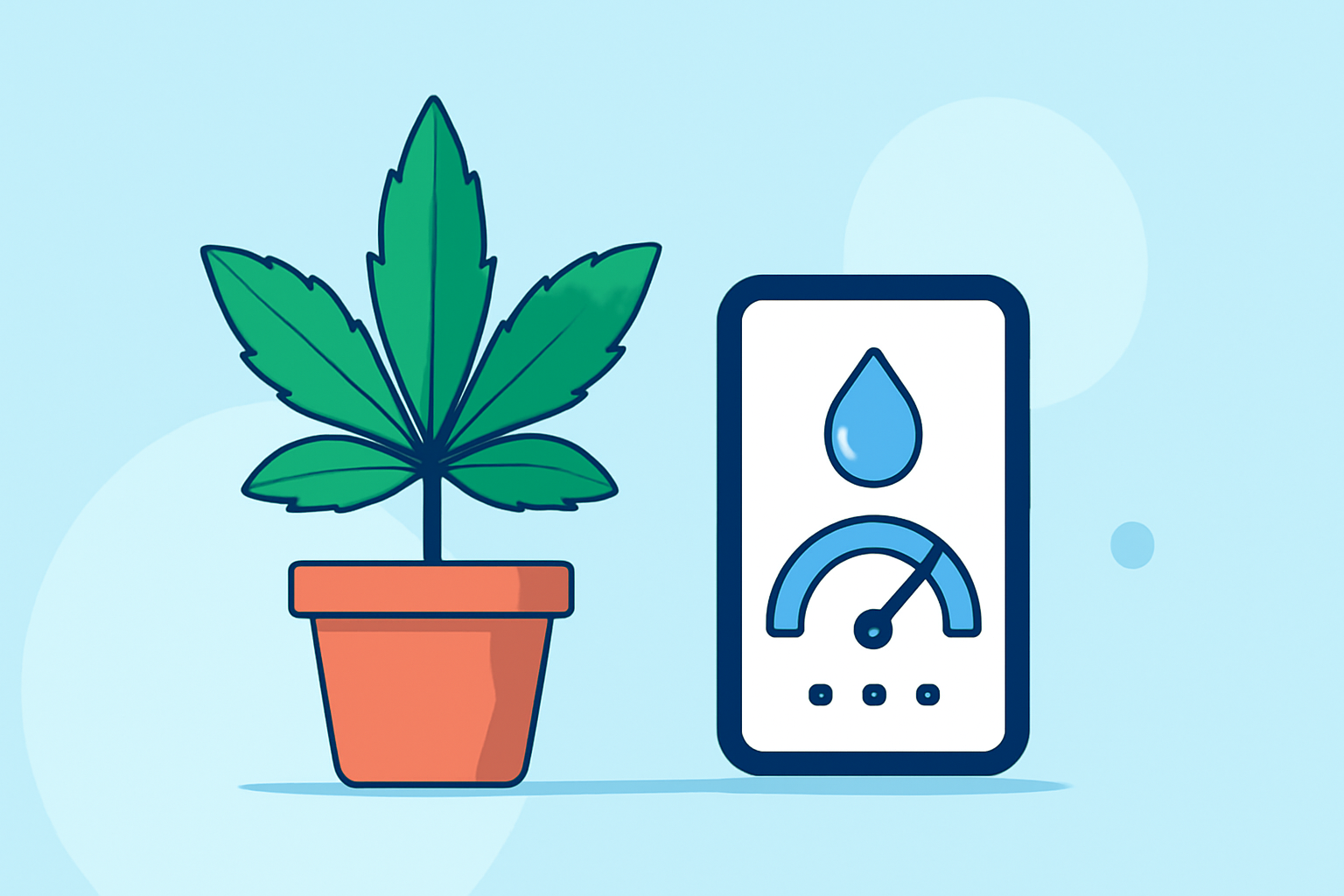
Humidity, the amount of water vapor in the air, plays a crucial role in plant health. It influences transpiration—the process by which plants release water vapor through tiny pores called stomata—and affects nutrient uptake and overall growth. Understanding and managing humidity is essential for gardeners aiming to cultivate healthy, thriving plants.
How Does Humidity Affect Plant Health?
Plants rely on transpiration to move water and nutrients from their roots to their leaves. When humidity levels are too low, transpiration increases, leading to rapid water loss. This can cause dehydration, leaf curling, and slowed growth. Conversely, high humidity reduces transpiration, potentially leading to waterlogged roots and increased susceptibility to fungal diseases. Maintaining balanced humidity levels is vital for optimal plant health. (smartfog.com)
What Are the Ideal Humidity Levels for Different Plants?
Different plants have varying humidity requirements:
-
Tropical Plants (e.g., ferns, calathea, anthuriums): These plants thrive in higher humidity levels, typically between 60–75% relative humidity (RH). In drier conditions, they may exhibit symptoms like leaf curling and browning. (plantvault.com)
-
Succulents and Cacti: These plants prefer lower humidity levels, around 30–50% RH, and can suffer from rot in overly humid environments.
-
General Houseplants: Many common houseplants, such as pothos and snake plants, adapt well to average indoor humidity levels of 40–60% RH.
How Can You Manage Humidity for Your Plants?
Effective humidity management involves several strategies:
-
Use a Hygrometer: Regularly monitor the humidity levels in your growing area to ensure they meet your plants' needs.
-
Increase Humidity: For plants requiring higher humidity, consider using a humidifier, grouping plants together to create a microenvironment, or placing plants on trays filled with water and pebbles to increase local humidity. (plantvault.com)
-
Improve Air Circulation: Good airflow helps prevent mold and mildew growth, which can be more prevalent in high humidity.
-
Watering Practices: Ensure proper watering techniques to prevent root rot, especially in high humidity conditions.
What Are the Signs of Improper Humidity?
Plants exhibit various symptoms when humidity levels are not ideal:
-
Low Humidity: Leaf curling, browning edges, and slowed growth.
-
High Humidity: Yellowing leaves, mold growth, and increased pest activity.
How Does Clime Support Humidity Management?
Clime offers advanced climate control solutions that help maintain optimal humidity levels for your plants. By integrating Clime's technology, gardeners can create stable environments that promote healthy growth and reduce the risk of humidity-related issues.
Understanding and managing humidity is essential for plant health. By monitoring humidity levels and implementing appropriate strategies, gardeners can create environments where their plants can thrive.