
Understanding Humidity Levels for Indoor Plants: A Guide for Athletes
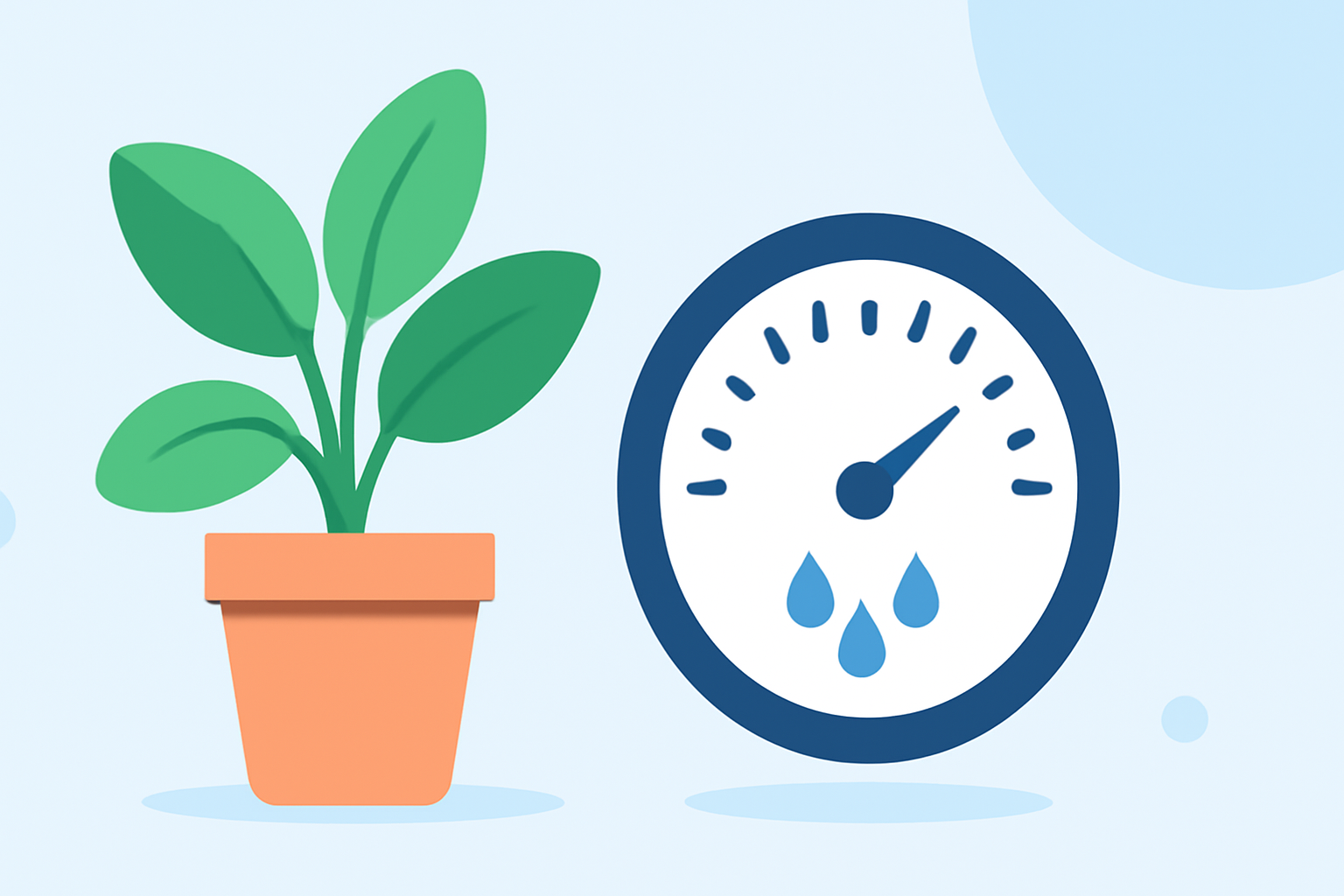
Maintaining optimal humidity levels is crucial for both indoor plant health and athletic performance. Understanding the interplay between these factors can enhance your environment and well-being.
How Does Humidity Affect Indoor Plants?
Humidity refers to the amount of moisture in the air, significantly impacting plant health. Most indoor plants thrive in a relative humidity (RH) range of 40% to 60%. Tropical species, such as ferns and calathea, prefer higher humidity levels, often between 60% and 80%. Succulents and cacti, adapted to arid climates, do well in lower humidity, around 20% to 40%. (agriculture.institute)
How Does Humidity Impact Athletic Performance?
Humidity plays a significant role in athletic performance. High humidity levels can impede the body's ability to cool itself, leading to increased perceived effort and potential heat-related illnesses. Conversely, low humidity can cause dehydration and dry airways, affecting respiratory efficiency. Maintaining balanced humidity is essential for optimal performance and safety.
What Are the Ideal Humidity Levels for Both Plants and Athletes?
Balancing the humidity needs of indoor plants and athletes can be challenging, as their optimal ranges may differ. However, aiming for a middle ground can support both:
-
General Indoor Plants: 40% to 60% RH
-
Tropical Plants: 60% to 80% RH
-
Succulents and Cacti: 20% to 40% RH
-
Athletes: 40% to 60% RH
This range supports most indoor plants and provides a comfortable environment for athletic activities.
How Can Clime Help Manage Indoor Humidity?
Clime offers advanced solutions to monitor and control indoor humidity levels effectively. By utilizing Clime's technology, you can create an environment that supports both plant health and athletic performance.
What Are the Benefits of Maintaining Optimal Humidity?
-
For Plants: Enhanced growth, reduced stress, and minimized risk of diseases.
-
For Athletes: Improved comfort, reduced fatigue, and decreased risk of heat-related issues.
How Can I Monitor and Adjust Humidity Levels in My Space?
Regularly using a hygrometer to measure indoor humidity is essential. If adjustments are needed, consider using humidifiers or dehumidifiers to achieve the desired levels. Clime's solutions provide real-time monitoring and automated adjustments to maintain optimal conditions.
Are There Specific Humidity Considerations for Different Seasons?
Yes, humidity levels can fluctuate with the seasons:
-
Winter: Heating systems can dry out indoor air, reducing humidity.
-
Summer: Increased outdoor humidity can raise indoor levels.
Clime's technology can adapt to these seasonal changes, ensuring consistent conditions year-round.
By understanding and managing indoor humidity, you can create a healthier environment for both your plants and your athletic activities. Clime's solutions offer a comprehensive approach to achieving this balance.
Highlights:
- How Humid Should My House Be? The Big Guide to Getting It Right for Each Season, Each Room, and for Your Houseplants, Published on Monday, September 01