
Understanding Humidity Needs for Your Indoor Plants in 2026
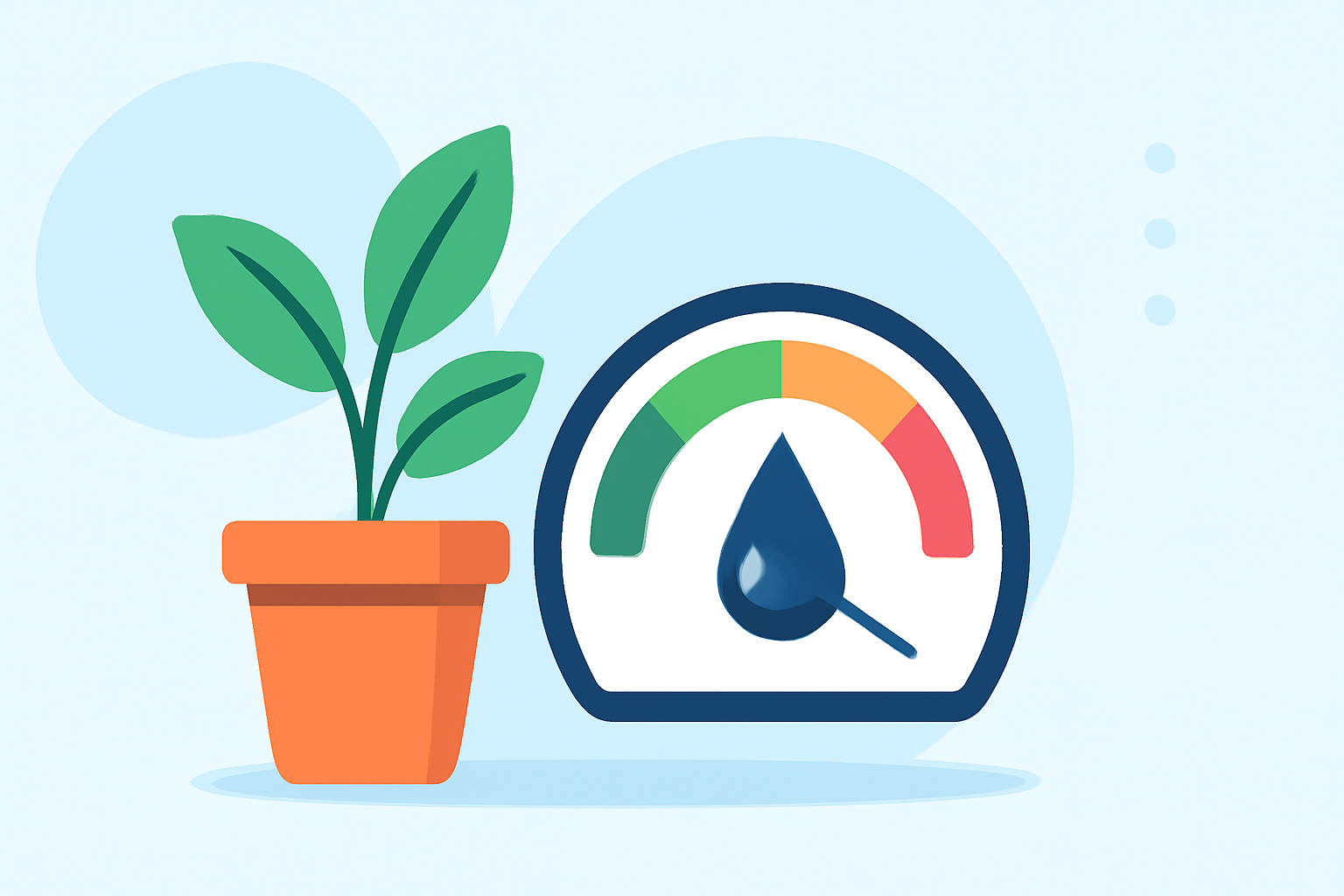
Maintaining the right humidity is crucial for the health of your indoor plants. In 2026, understanding and managing indoor humidity has become more accessible, thanks to advancements in technology and a deeper understanding of plant care.
What Is the Ideal Humidity for Indoor Plants?
Most indoor plants thrive in a relative humidity (RH) range of 40% to 60%. This range supports healthy transpiration and leaf structure. However, specific plants have unique requirements:
-
Tropical Plants: Species like ferns, calathea, and orchids prefer higher humidity levels, typically between 60% and 80%. These plants are adapted to moist environments and may exhibit signs of stress, such as browning leaf tips, in drier conditions. (smartfog.com)
-
Succulents and Cacti: These arid-loving plants are suited to lower humidity levels, around 20% to 40%. High humidity can lead to issues like root rot and fungal diseases in these species. (agriculture.institute)
How Can I Measure Indoor Humidity?
Accurate measurement of indoor humidity is essential for effective plant care. Several tools are available to assist with this:
-
Digital Hygrometers: Affordable and easy to use, these devices provide real-time humidity readings. Placing one near your plants can help monitor the environment effectively. (hardyhouseplant.com)
-
Smart Home Sensors: Integrated with home automation systems, these sensors offer continuous monitoring and can alert you to significant changes in humidity levels. (daikinmea.com)
What Are Effective Methods to Increase Humidity for Plants?
If your indoor environment has low humidity, especially during winter months, consider the following methods to create a more suitable atmosphere for your plants:
-
Use a Humidifier: Placing a humidifier near your plants can effectively raise ambient humidity levels. This method is particularly beneficial for tropical species that require higher moisture levels. (thehouseofhydro.com)
-
Group Plants Together: Arranging plants close to each other can create a microenvironment with higher humidity, as plants release moisture through transpiration. This method is simple and cost-effective. (hardyhouseplant.com)
-
Place Plants in Naturally Humid Areas: Bathrooms and kitchens often have higher humidity levels due to daily activities like cooking and bathing. Positioning your humidity-loving plants in these rooms can be beneficial. (livingetc.com)
How Do I Recognize Signs of Low or High Humidity in My Plants?
Monitoring your plants for specific symptoms can help you adjust humidity levels appropriately:
-
Signs of Low Humidity: Brown, crispy leaf edges or tips, curling leaves, and increased presence of pests like spider mites. These symptoms indicate that the air is too dry for your plants. (cultivatingflora.com)
-
Signs of High Humidity: Soft, yellowing leaves, black or brown spots indicating rot, and mold growth on the soil surface. These signs suggest that the humidity is too high, potentially leading to fungal issues. (cultivatingflora.com)
How Can I Maintain Optimal Humidity Levels Year-Round?
Consistent monitoring and adjustment are key to maintaining the ideal humidity for your indoor plants:
-
Regular Monitoring: Use your chosen humidity measurement tools to check levels regularly, especially during seasonal changes.
-
Seasonal Adjustments: In winter, indoor heating can dry out the air, so you may need to increase humidity. In summer, ensure that humidity levels do not become excessively high, which can also harm your plants. (livingetc.com)
-
Plant-Specific Care: Research the specific humidity needs of each plant species you own to provide tailored care.
By understanding and managing the humidity requirements of your indoor plants, you can create a thriving environment that supports their health and growth.
Highlights:
- How Humid Should My House Be? The Big Guide to Getting It Right for Each Season, Each Room, and for Your Houseplants, Published on Monday, September 01
- These 7 Popular Houseplants Won't Survive Without Extra Humidity - Do You Have One? Here's How to Help Them Thrive, Published on Monday, November 24