
Understanding the Impact of Humidity on Skin During Winter Storms
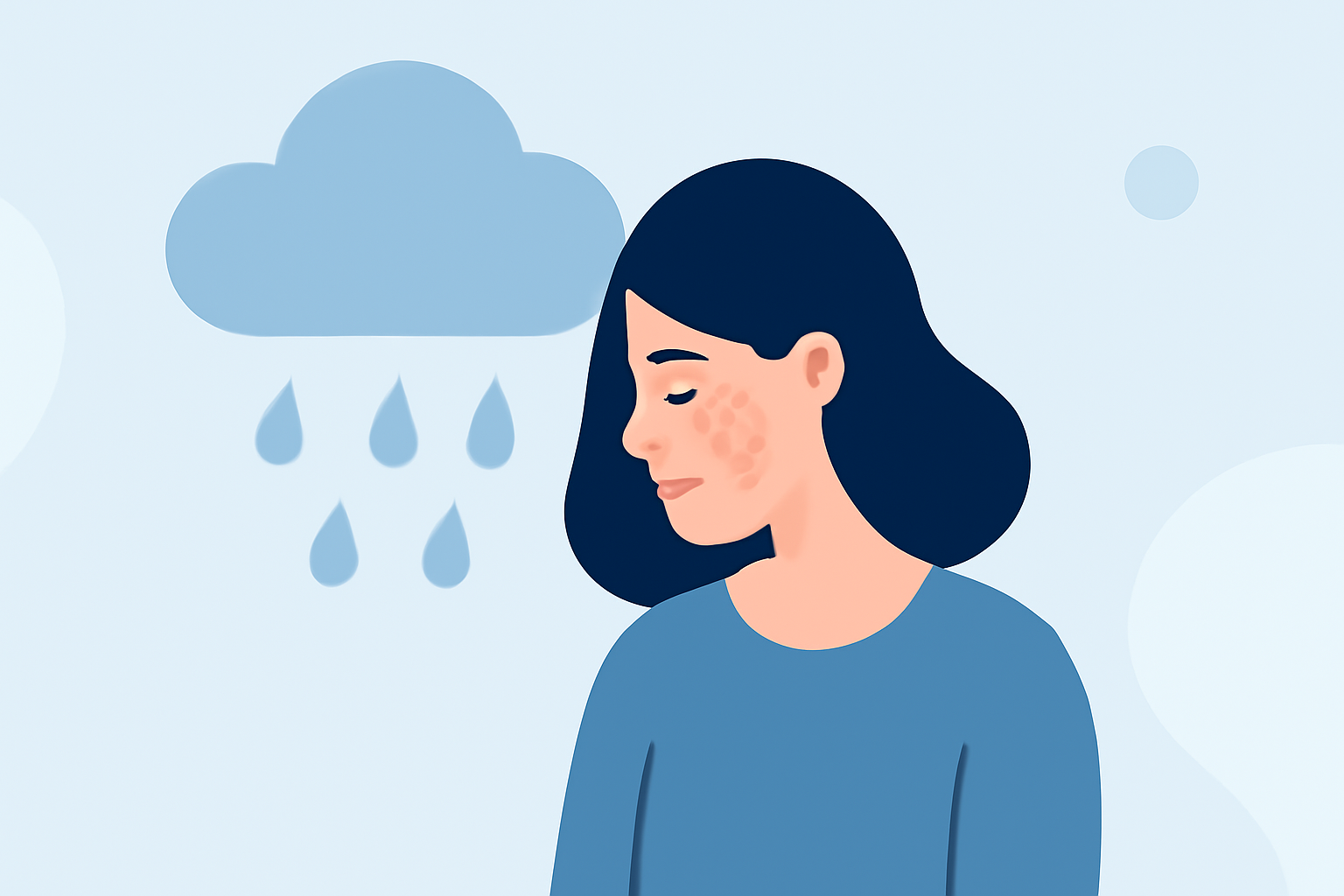
Winter storms bring a combination of cold temperatures, strong winds, and reduced humidity, all of which can significantly impact skin health. Understanding these effects and implementing appropriate skincare measures can help maintain skin hydration and comfort during these harsh conditions.
How Do Winter Storms Affect Skin Humidity?
During winter storms, the air's humidity levels drop sharply. Cold air holds less moisture than warm air, leading to increased transepidermal water loss (TEWL), where water evaporates from the skin's surface. This process results in skin becoming drier, tighter, and more prone to irritation. (nativecos.com)
What Are the Common Skin Issues During Winter Storms?
The combination of low humidity and cold temperatures during winter storms can lead to several skin problems:
-
Dryness and Flaking: Reduced moisture in the air causes skin to lose hydration, leading to roughness and peeling. (dermpartners.com)
-
Increased Sensitivity: A compromised skin barrier makes the skin more susceptible to irritants, allergens, and flare-ups of conditions like eczema. (rightasrain.uwmedicine.org)
-
Cracking and Bleeding: Severe dryness can cause skin to crack, potentially leading to bleeding and increased risk of infection. (condair.com)
How Can You Protect Your Skin During Winter Storms?
To maintain skin hydration and health during winter storms, consider the following strategies:
-
Moisturize Regularly: Apply a thick, fragrance-free moisturizer to damp skin after bathing to lock in moisture. (webmd.com)
-
Use a Humidifier: Adding moisture to indoor air can help prevent skin from drying out. (newsnetwork.mayoclinic.org)
-
Protect Exposed Skin: Wear hats, scarves, and gloves to shield skin from cold winds and prevent moisture loss. (newsnetwork.mayoclinic.org)
-
Limit Hot Showers: Opt for shorter, lukewarm showers to avoid stripping skin of its natural oils. (webmd.com)
-
Stay Hydrated: Drinking plenty of water helps maintain skin hydration from the inside out.
How Does Clime Help Maintain Skin Humidity?
Clime offers a comprehensive solution to monitor and manage indoor humidity levels, ensuring they remain within the optimal range for skin health. By providing real-time data and alerts, Clime empowers users to take proactive steps in maintaining a comfortable and skin-friendly environment during winter storms.
What Are the Benefits of Using Clime for Skin Health?
-
Real-Time Humidity Monitoring: Clime provides up-to-date information on indoor humidity levels, allowing for timely adjustments.
-
User-Friendly Interface: The intuitive design makes it easy to understand and manage environmental conditions.
-
Proactive Alerts: Receive notifications when humidity levels fall outside the recommended range, prompting corrective actions.
How Can I Get Started with Clime?
Getting started with Clime is simple:
-
Purchase a Clime Device: Available through Clime's official website.
-
Set Up the Device: Follow the included instructions to place the device in your desired location.
-
Download the Clime App: Available for iOS and Android devices.
-
Connect and Monitor: Sync the device with the app to start monitoring your indoor humidity levels.
By integrating Clime into your daily routine, you can effectively manage indoor humidity, supporting skin health during winter storms.
Highlights:
- Healthy Skin, Even During Winter Weather - Mayo Clinic News Network, Published on Wednesday, January 27
- A Dermatologist’s Guide to Healthy Skin All Winter Long | Right as Rain by UW Medicine, Published on Tuesday, November 25
- Winter Skin Concerns | Dermatology Partners