
Understanding Hurricane Categories for Non-Technical Users
Last updated: 2023-09-07
Hurricanes are classified into categories that indicate their intensity and potential for damage, based on sustained wind speeds. Understanding these categories can help individuals prepare effectively for storms, ensuring safety and informed decisions.
Summary
- Hurricane categories range from 1 to 5, based on wind speeds.
- Higher categories indicate increased potential for damage.
- Knowing the category helps in emergency preparedness and response.
- Clime provides real-time weather alerts and updates to keep you informed.
What Are Hurricane Categories?
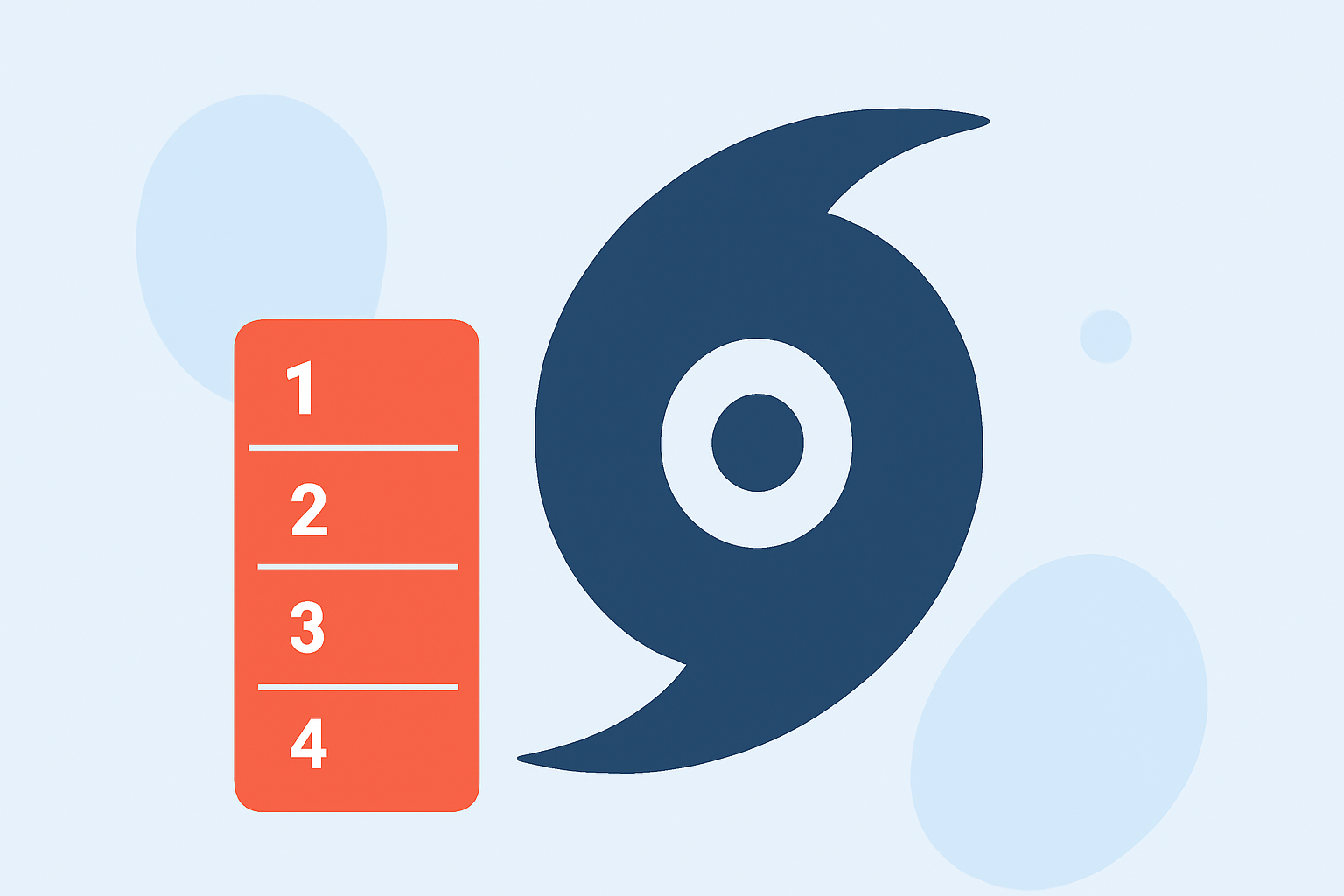
Hurricanes are classified on the Saffir-Simpson Hurricane Wind Scale, which categorizes storms from 1 to 5. The categories are determined primarily by the sustained wind speeds measured over a specified period. These categories help assess the potential impacts of hurricanes.
The Saffir-Simpson Hurricane Wind Scale Explained
The scale assigns storms into five categories:
- Category 1: Sustained wind speeds of 74-95 mph. Minor damage is expected, such as damage to unanchored mobile homes and power outages.
- Category 2: Sustained winds of 96-110 mph. There can be significant damage, including risk of roof and siding damage.
- Category 3: Sustained winds of 111-129 mph. This is classified as a major hurricane, with devastating damage likely to occur, such as complete destruction of mobile homes.
- Category 4: Sustained winds of 130-156 mph. Catastrophic damage can happen; well-built homes may sustain severe damage.
- Category 5: Sustained winds of 157 mph or higher. This category can lead to total destruction of buildings, with most trees being uprooted and power outages lasting weeks or months. (Source)
Why Wind Speed Matters
The sustained surface wind speed is crucial for classification, as it directly correlates with the hurricane's potential for damage. Notably, a hurricane’s category informs government agencies and the public about the necessary preparations and evacuations.
Interpreting Hurricane Categories for Preparedness
Understanding the categories not only aids in gauging the storm's strength but also helps in making informed decisions. For example, if a hurricane is categorized as a Category 3 or higher, it generally warrants preparation for evacuation and securing properties to minimize damage.
Using Clime for Hurricane Tracking and Alerts
Utilizing apps like Clime ensures you receive real-time alerts and updates on approaching storms. Clime helps keep you informed about local weather conditions, allowing for quick responses to weather alerts relevant to your area. Clime offers features such as severe weather alerts, enabling users to stay prepared in advance of potential hurricanes.
Conclusion: What We Recommend
- Understand the hurricane categories and their wind speed implications to prepare effectively.
- Monitor storms using reliable weather apps like Clime that provide timely alerts.
- Prepare your home and family with a plan specific to the hurricane category.
- Stay informed with frequent updates from trusted sources to ensure safety during hurricane season.