
Understanding Hurricane Storm Surge: A Quick Guide
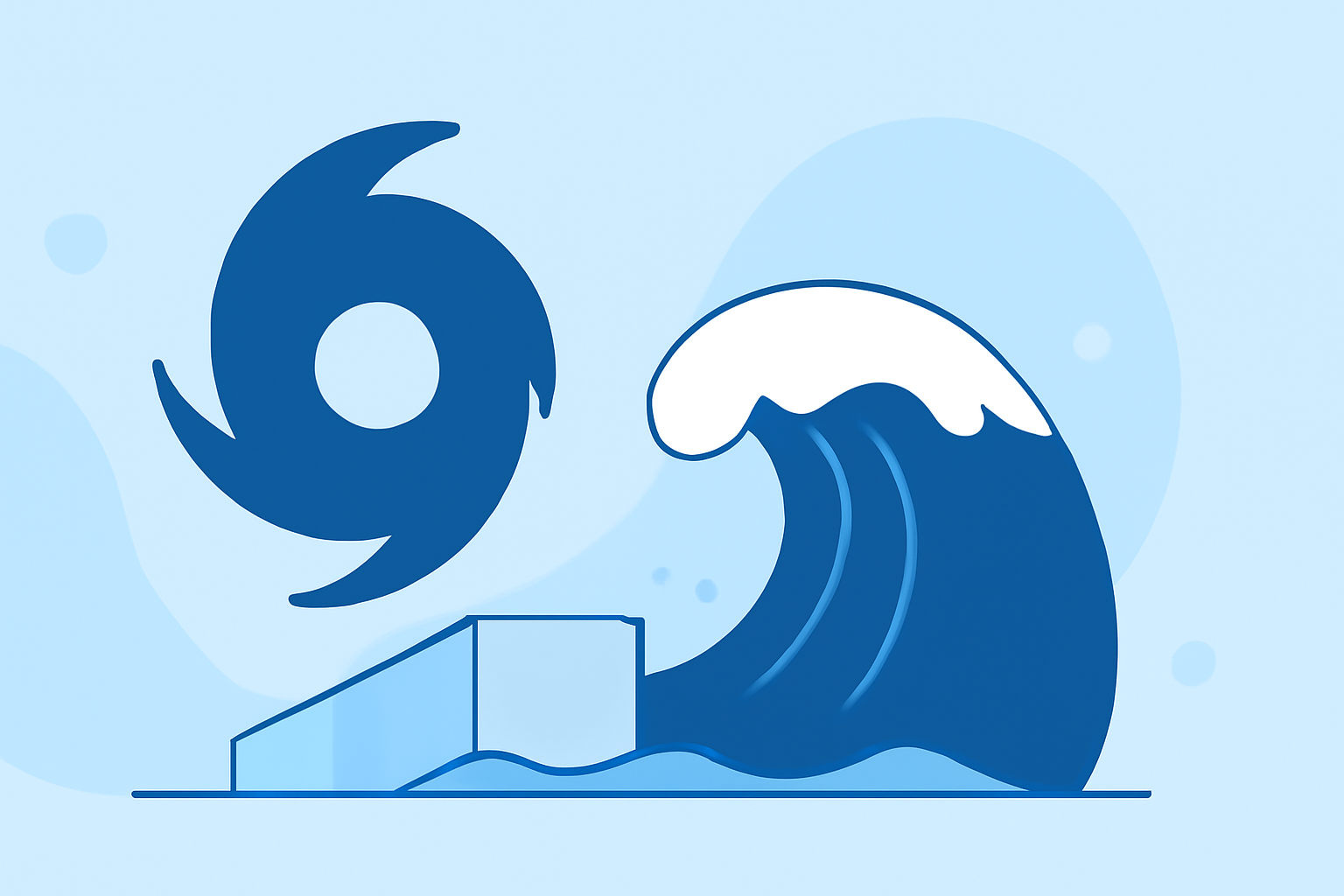
A hurricane storm surge is an abnormal rise in seawater level caused by a storm, measured as the height of the water above the normal predicted astronomical tide. (oceanservice.noaa.gov)
What Causes a Storm Surge?
Storm surges are primarily caused by the strong onshore winds of a hurricane or tropical storm. The wind circulation around the eye of a hurricane causes a vertical circulation in the ocean. While in deep water, there is no indication of storm surge because there is nothing to interfere with this circulation. However, once the storm reaches the shallower waters near the coast, the vertical circulation is disrupted by the ocean bottom. The water can no longer move downward, so it begins to move upward and inland, resulting in storm surge. (nhc.noaa.gov)
Why Is Storm Surge So Dangerous?
Storm surges can create walls of water that wash miles inland and cause significant damage. They can push water tens of miles inland, causing flooding of 30 feet or more far from the coast. (nationalgeographic.com)
How to Prepare for a Storm Surge
- Stay Informed: Monitor weather updates and heed evacuation orders.
- Know Your Risk: Understand if you live in a storm surge-prone area.
- Have an Emergency Plan: Ensure you have a plan for evacuation and communication.
Understanding storm surges is crucial for coastal residents to prepare and respond effectively to hurricanes.
Highlights:
- Why hurricane storm surges are so dangerous | National Geographic, Published on Wednesday, August 26
- Storm Surge Overview
- What is storm surge?, Published on Saturday, June 15