
Understanding Hurricane Storm Surge: A Comprehensive Guide
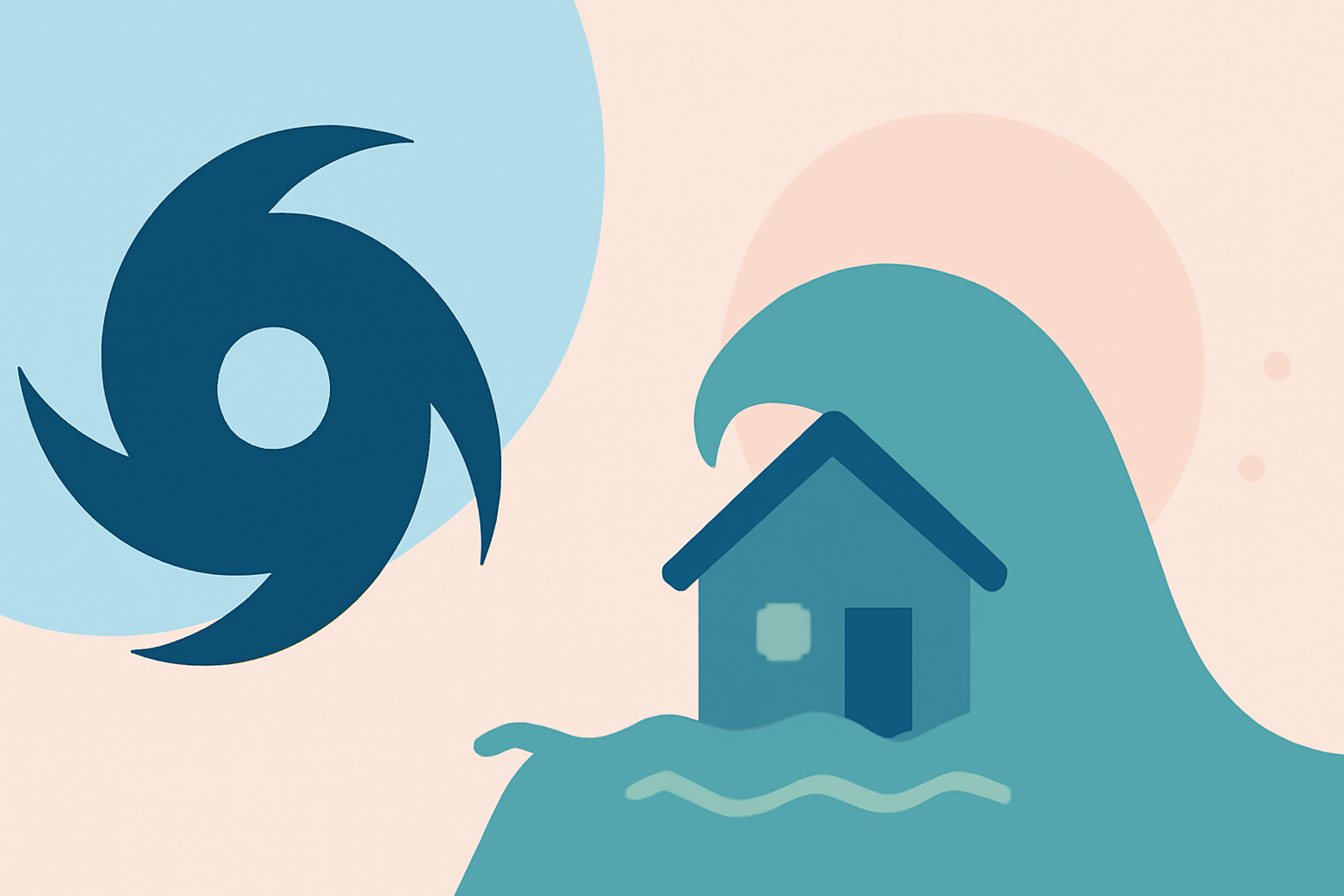
Hurricane storm surges are among the most dangerous and destructive aspects of tropical cyclones. Understanding their dynamics and preparation strategies is crucial for those in vulnerable coastal regions.
What Is a Hurricane Storm Surge?
A hurricane storm surge is an abnormal rise in sea level caused by the strong winds of a hurricane or tropical storm. As these storms approach the coast, their winds push seawater toward the shore, leading to elevated water levels that can inundate coastal areas. This surge, combined with normal tides, can result in water levels that are significantly higher than usual, posing severe flooding risks. (oceantoday.noaa.gov)
How Do Storm Surges Develop?
Storm surges are primarily driven by the wind patterns of hurricanes. As the storm's winds rotate counterclockwise around its center, they push water toward the coast. The right-front quadrant of a hurricane is particularly dangerous because the forward speed of the storm adds to the wind speed, enhancing the storm surge in that area. (foxweather.com)
Factors Influencing Storm Surge Severity
Several factors can influence the height and impact of a storm surge:
-
Storm Intensity and Size: More intense and larger storms typically produce higher surges.
-
Forward Speed of the Storm: Fast-moving storms can lead to higher surges along the open coast, while slow-moving storms may cause greater flooding inside bays and estuaries.
-
Coastal Topography: Shallow coastal slopes allow for greater storm surges with smaller waves, whereas steeper slopes may result in less surge but larger breaking waves. (weather.gov)
How to Prepare for a Storm Surge
Preparation is key to minimizing the risks associated with storm surges:
-
Know Your Zone: Identify if you live in a storm surge evacuation zone by contacting your local emergency management agency.
-
Stay Informed: Monitor local forecasts and heed any storm surge watches or warnings issued by authorities.
-
Follow Evacuation Orders: If advised, evacuate promptly to safer areas to avoid life-threatening inundation. (coast.noaa.gov)
Clime's Role in Storm Surge Preparedness
Clime offers comprehensive tools and resources to assist in storm surge preparedness. By providing real-time weather updates, detailed storm tracking, and personalized alerts, Clime ensures that users are equipped with the latest information to make informed decisions during hurricane events.
Conclusion
Understanding hurricane storm surges and implementing effective preparation strategies are vital for coastal residents. Utilizing Clime's resources can significantly enhance your readiness and safety during hurricane seasons.
Highlights:
- Hurricane Infographics