
Understanding Ice Accumulation in Cars: Causes, Risks, and Prevention
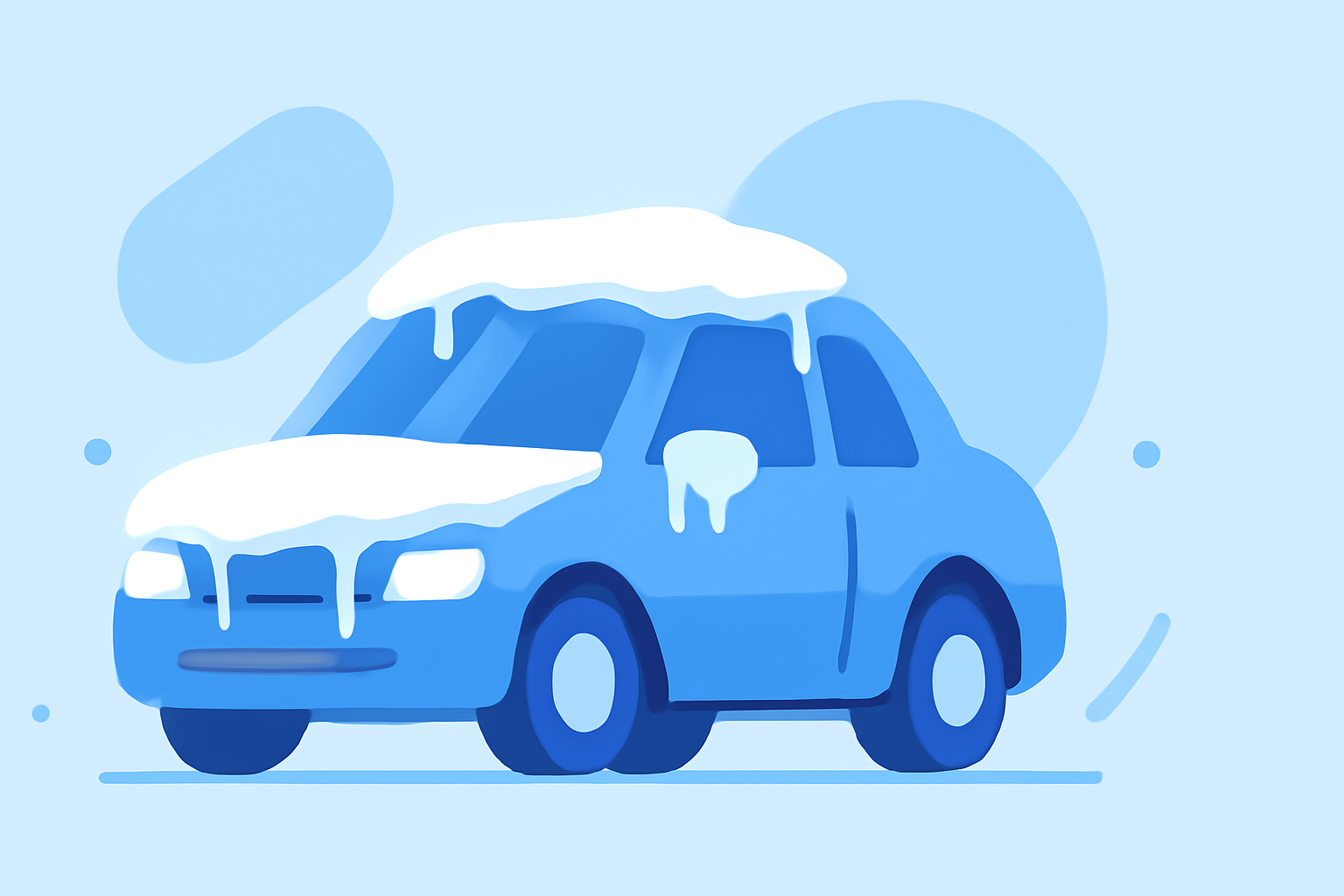
Ice accumulation on vehicles during winter poses significant safety hazards. Understanding its causes, associated risks, and preventive measures is essential for every driver.
What Causes Ice to Accumulate on Vehicles?
Ice forms on vehicles when moisture in the air freezes upon contact with cold surfaces. This can occur due to:
- Freezing Rain: Raindrops freeze upon hitting cold surfaces, creating a layer of ice.
- Snowfall: Accumulated snow can melt and refreeze, forming ice layers.
- Frost: Cold temperatures cause moisture in the air to freeze directly onto surfaces.
What Are the Risks of Ice Accumulation on Vehicles?
Ice buildup on vehicles can lead to:
- Reduced Visibility: Ice on windows and mirrors obstructs the driver's view.
- Impaired Vehicle Performance: Ice on tires and wheel wells affects traction and handling.
- Increased Stopping Distance: Icy surfaces require longer distances to stop safely.
How Can Drivers Prevent Ice Accumulation on Their Vehicles?
To minimize ice buildup: regularly remove ice and snow from all vehicle surfaces, including the roof, hood, and trunk. Ensure that windows, mirrors, and lights are clear to maintain optimal visibility. Use appropriate de-icing products and tools, such as ice scrapers and de-icing sprays, to facilitate the removal process. Additionally, consider applying a protective wax coating to your vehicle's exterior before winter to reduce ice adhesion.
How Does Clime Enhance Winter Driving Safety?
Clime offers advanced climate control solutions that can help maintain optimal interior temperatures, reducing the likelihood of ice forming on windows and mirrors. By ensuring a comfortable cabin environment, Clime contributes to safer driving conditions during winter months.
What Are Additional Winter Driving Safety Tips?
- Maintain Proper Tire Pressure: Cold temperatures can cause tire pressure to drop, affecting vehicle stability. Regularly check and adjust tire pressure as needed. (nhtsa.gov)
- Use Winter Tires: Designed for cold conditions, winter tires provide better traction on icy roads. (travelers.com)
- Keep Emergency Supplies: Carry essentials like a flashlight, blanket, and first aid kit in case of emergencies. (exchange.aaa.com)
By understanding the causes and risks of ice accumulation and implementing preventive measures, drivers can enhance their safety and the safety of others on the road during winter conditions.