
Understanding Ice Storm Alerts in Your Car
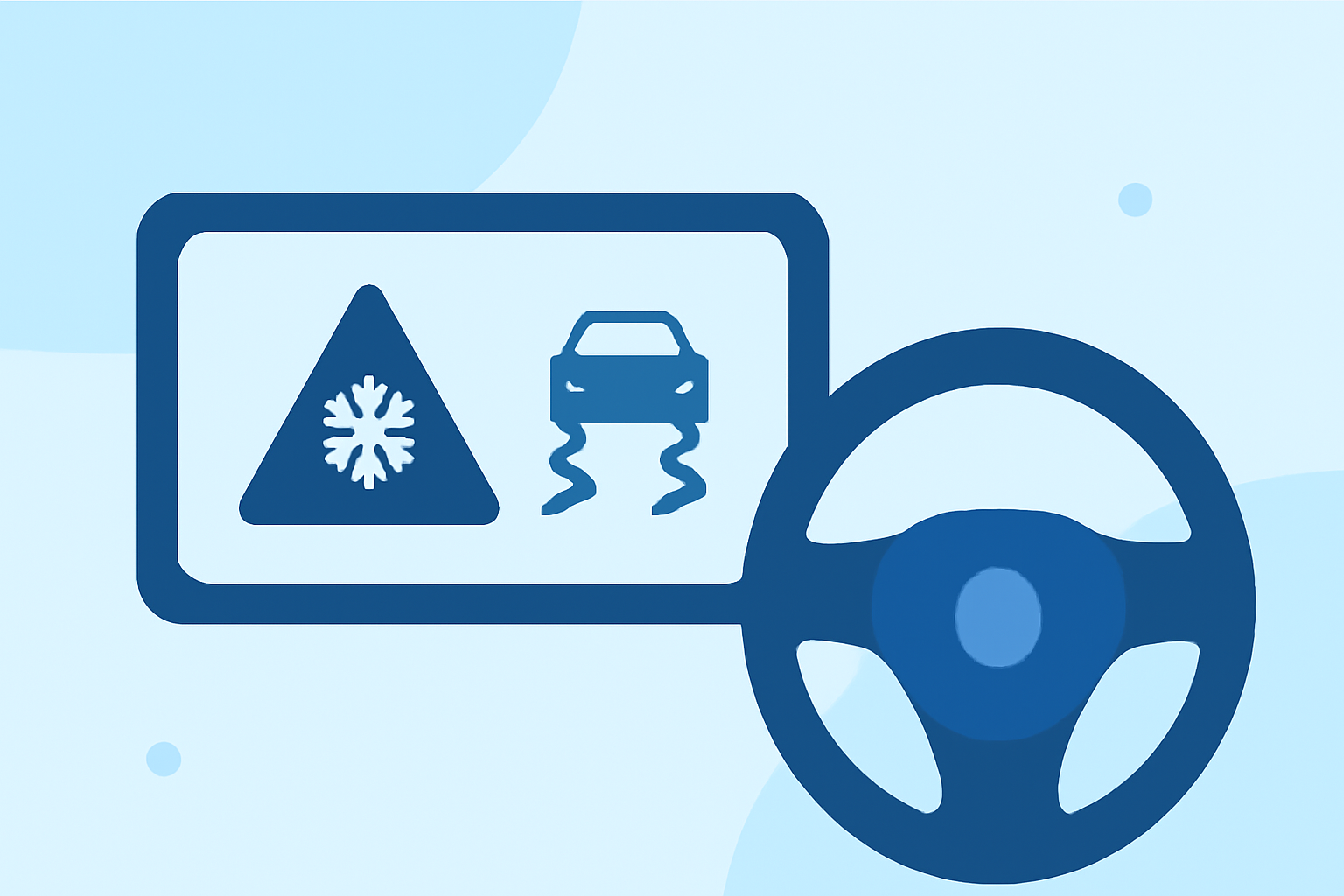
Ice storms are hazardous weather events characterized by freezing rain that accumulates on surfaces, creating dangerous conditions. In the United States, the National Weather Service (NWS) issues specific alerts to inform the public about these conditions.
What Are Ice Storm Alerts?
Ice storm alerts are notifications issued by the NWS to warn the public about impending freezing rain and the potential accumulation of ice. These alerts are crucial for preparing and taking necessary precautions to ensure safety.
Types of Ice Storm Alerts
The NWS issues several types of alerts related to ice storms:
-
Winter Storm Watch: Indicates that conditions are favorable for a winter storm, including ice accumulation.
-
Winter Storm Warning: Signifies that a winter storm is imminent or occurring, with potential ice accumulation.
-
Ice Storm Warning: Specifically warns of significant ice accumulation, typically 0.25 inches or more, which can lead to hazardous conditions. (weather.gov)
Receiving Ice Storm Alerts in Your Car
To stay informed about ice storm alerts while on the road, consider the following options:
-
Weather Apps: Many smartphone applications provide real-time weather updates and alerts. Ensure your app is set to notify you of severe weather warnings in your area.
-
Vehicle Systems: Some modern vehicles are equipped with built-in systems that can receive weather alerts. Check your vehicle's manual to see if this feature is available and how to activate it.
-
NOAA Weather Radio: Portable NOAA Weather Radios can broadcast continuous broadcasts of official Weather Service information, including ice storm warnings.
Safety Precautions During Ice Storms
If you receive an ice storm alert while driving, it's essential to take immediate action:
-
Avoid Travel: If possible, postpone travel until conditions improve. Ice-covered roads are extremely slippery and can be treacherous.
-
Stay Informed: Keep updated with the latest weather information through reliable sources.
-
Prepare Your Vehicle: Ensure your vehicle is equipped with appropriate tires, and that your windshield wipers and defrosters are functioning correctly. Carry emergency supplies, such as blankets, a flashlight, and a first aid kit. (nhtsa.gov)
Conclusion
Understanding ice storm alerts and staying informed while on the road are vital for safety during winter weather conditions. By utilizing available resources and taking necessary precautions, you can navigate these challenges more effectively.
Highlights:
- Winter Weather Driving Tips: Prepare Your Vehicle | NHTSA