
Understanding Ideal Surfing Conditions for Beginners
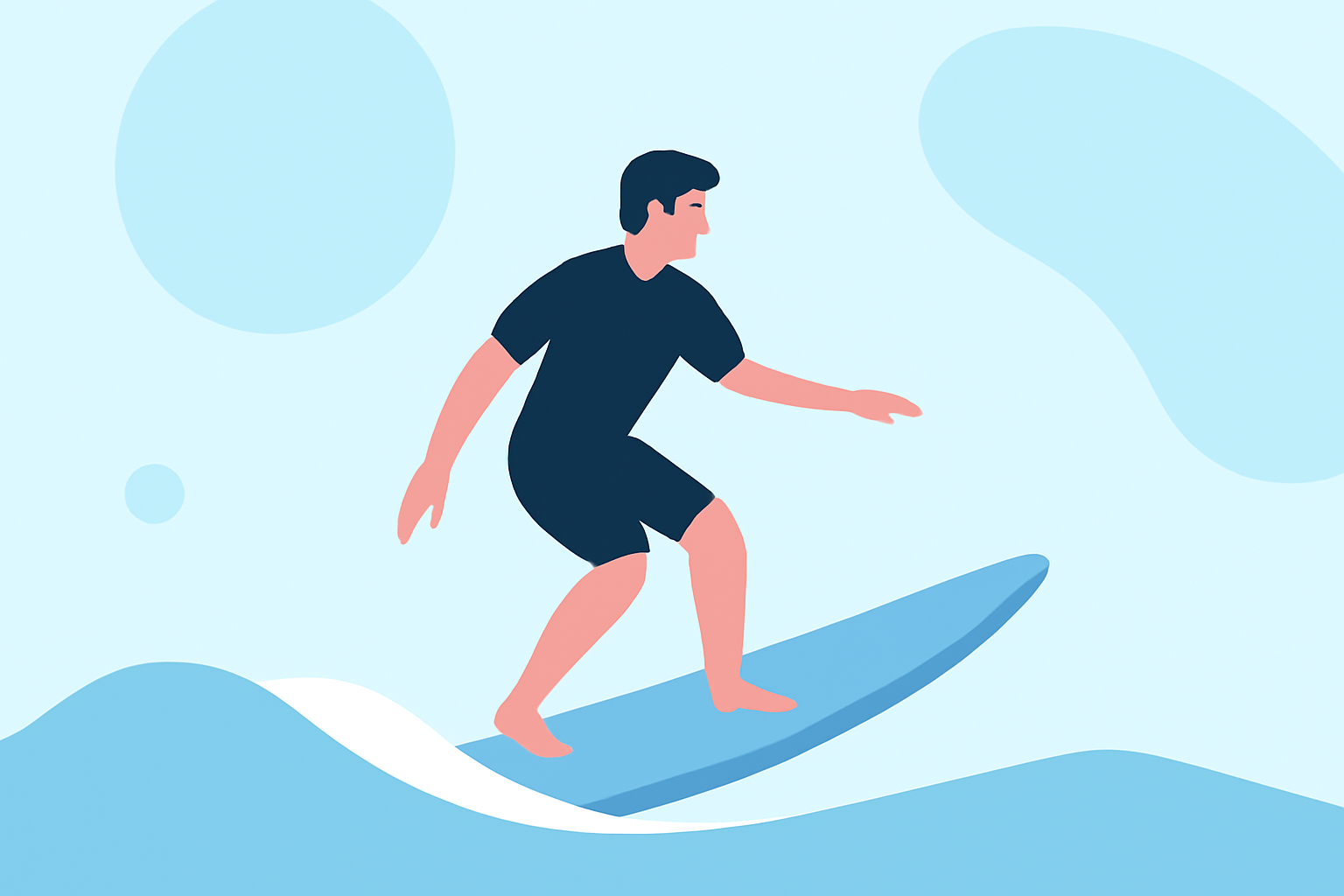
Embarking on your surfing journey is both exciting and challenging. Understanding the ideal weather and ocean conditions can significantly enhance your learning experience.
What Are the Best Wave Conditions for Beginners?
For those new to surfing, smaller, consistent waves are preferable. Aim for waves that are knee to waist-high, approximately 1–3 feet in face height. These waves provide a manageable environment to practice and build confidence. (quiversurf.app)
How Does Swell Period Affect Wave Quality?
The swell period, or the time between successive waves, plays a crucial role in wave quality. Longer periods, such as 12 seconds or more, result in waves that break more predictably and gently, offering beginners ample time to position themselves and catch the wave. (quiversurf.app)
What Wind Conditions Are Ideal for Surfing?
Wind direction and strength significantly influence wave quality. Offshore winds, blowing from the land towards the sea, help hold up the wave face, creating cleaner and more organized waves. These conditions are typically found in the early morning before the land heats up and reverses the wind direction. (quiversurf.app)
How Do Tides Impact Surf Conditions?
Tidal movements can affect wave behavior. Mid-tide conditions on sandy beaches often provide the most forgiving waves for beginners. At low tide, waves may break too quickly, and at high tide, they can become too slow and mushy. Observing local tide patterns can help identify the optimal times to surf. (quiversurf.app)
What Are the Safety Considerations for Beginners?
Safety should always be a priority. Before entering the water, spend time observing the waves, noting their size and where they break. Avoid areas with strong currents or rips, and always surf in designated zones away from swimmers. If conditions seem beyond your skill level, it's best to wait for more favorable conditions. (academyofsurfing.com)
How Can I Use Surf Forecasts to Plan My Sessions?
Utilizing surf forecasts can help you plan sessions that align with ideal conditions. Focus on forecasts indicating small, consistent waves with longer swell periods and offshore winds. This approach increases the likelihood of a productive and enjoyable surfing experience. (surfyx.com)
By understanding and monitoring these factors, you can select the best days to surf, ensuring a safer and more enjoyable experience as you develop your skills.