
Understanding the Jet Stream: A Guide for Vacation Planning
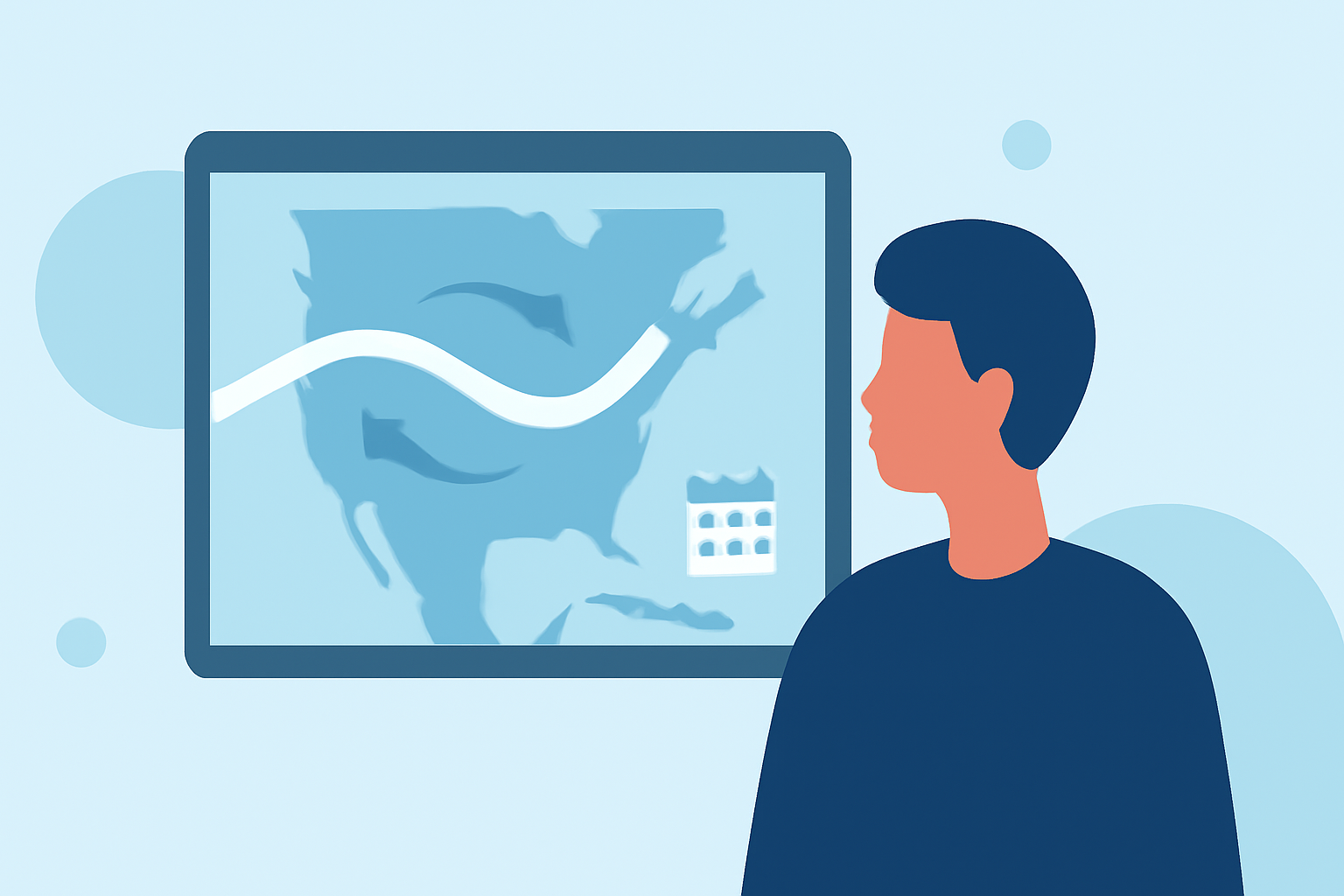
When planning a vacation, understanding the jet stream can significantly enhance your travel experience. This narrow band of strong winds in the upper atmosphere plays a crucial role in shaping weather patterns across the globe.
What Is the Jet Stream?
The jet stream is a fast-moving air current located approximately 5 to 7 miles above Earth's surface, flowing from west to east. It forms where cold polar air meets warmer subtropical air, creating a boundary that influences weather systems. In the Northern Hemisphere, the polar jet stream typically lies between 30°N and 60°N, affecting regions like North America and Europe. (nationalgeographic.com)
How Does the Jet Stream Affect Weather?
The position and strength of the jet stream have a direct impact on weather conditions:
-
Temperature Variations: The jet stream acts as a boundary between cold and warm air masses. A southward dip can bring colder temperatures, while a northward shift can lead to warmer conditions. (weather.metoffice.gov.uk)
-
Storm Patterns: The jet stream guides the movement of storm systems. A meandering jet stream can cause storms to stall or change direction, affecting precipitation and storm intensity. (climate.gov)
-
Flight Conditions: Airlines often use the jet stream to optimize flight routes, taking advantage of tailwinds to reduce travel time and fuel consumption. Conversely, crossing the jet stream can lead to turbulence due to wind shear. (weather.com)
Planning Your Vacation with the Jet Stream in Mind
By considering the jet stream's influence, you can make informed decisions about your travel plans:
-
Destination Selection: Research how the jet stream affects weather patterns in your chosen destination during your travel dates. For instance, a southward dip in the jet stream can bring cooler, stormier conditions to certain regions.
-
Timing Your Trip: Be aware of seasonal shifts in the jet stream. In winter, it tends to move southward, bringing colder weather to mid-latitude regions. In summer, it shifts northward, leading to warmer conditions.
-
Flight Planning: Consult with airlines about potential turbulence or delays related to jet stream activity. Understanding these factors can help you prepare for a smoother journey.
Leveraging Technology for Accurate Forecasts
Staying updated on jet stream patterns is essential for effective vacation planning. Utilizing reliable weather forecasting tools can provide real-time information on jet stream movements and their potential impact on your travel plans.
By integrating knowledge of the jet stream into your vacation planning, you can anticipate weather changes and make adjustments to ensure a more enjoyable and comfortable trip.