
Understanding Jet Streams and Headwinds: A Simplified Guide
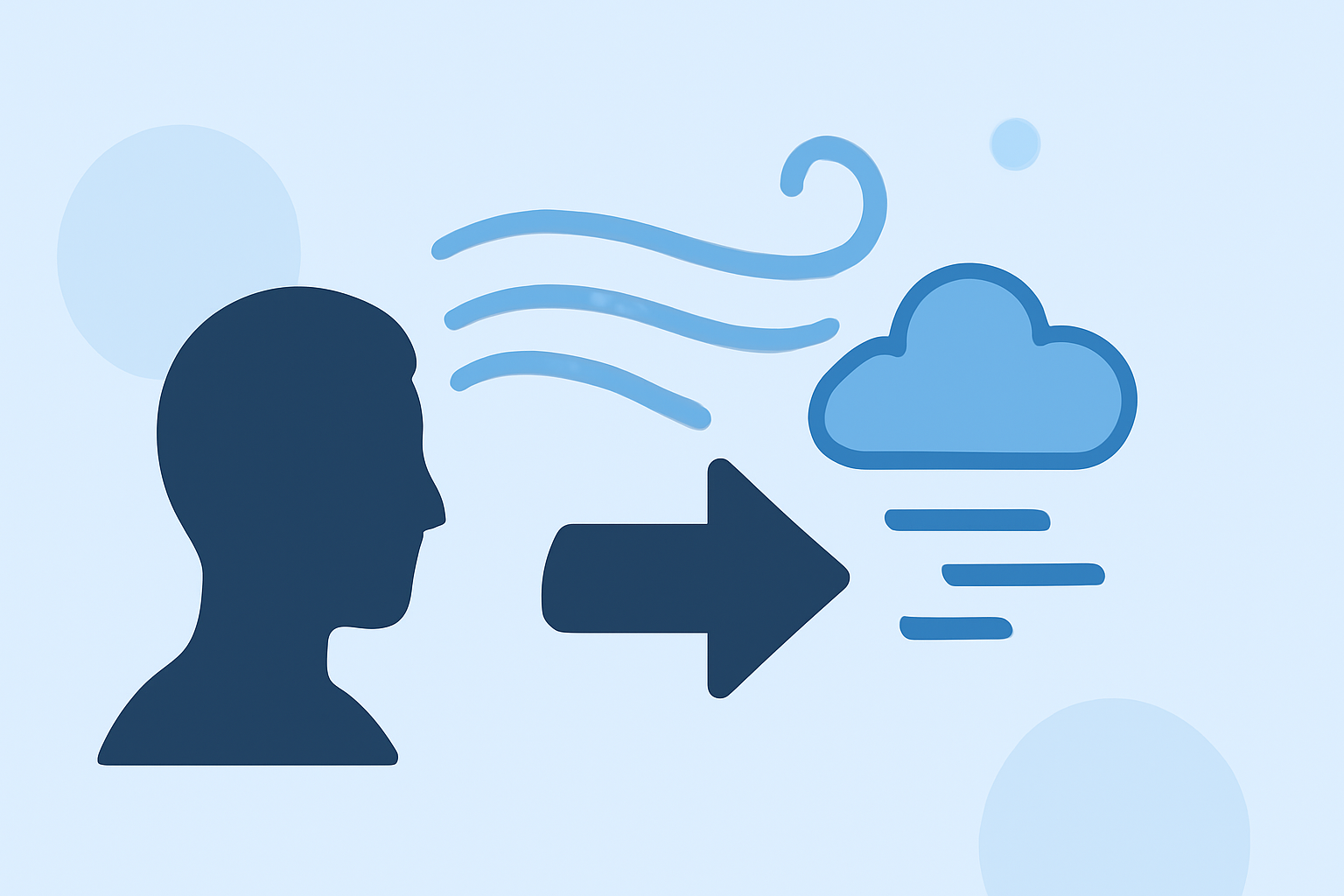
Jet streams are narrow, fast-moving air currents found in the upper levels of Earth's atmosphere, typically at altitudes between 30,000 and 40,000 feet. They flow from west to east and can reach speeds exceeding 200 mph. These high-altitude winds play a crucial role in shaping weather patterns and significantly influence aviation operations.
What Are Jet Streams?
Jet streams form due to the temperature differences between the equator and the poles. This temperature gradient causes air to move from high-pressure areas to low-pressure areas, creating strong winds in the upper atmosphere. There are two primary types of jet streams:
-
Polar Jet Streams: Located between 30° and 60° latitude, these are the most influential on weather patterns in mid-latitude regions.
-
Subtropical Jet Streams: Found near 30° latitude, these jets are generally weaker and less variable.
Impact of Jet Streams on Aviation
For pilots, understanding jet streams is essential for efficient flight planning. Flying with a jet stream can provide a significant tailwind, reducing fuel consumption and flight time. Conversely, flying against a jet stream results in headwinds, which can increase fuel usage and extend flight duration. Additionally, jet streams can cause turbulence, especially near their boundaries, leading to a rougher ride for passengers.
What Are Headwinds?
Headwinds are winds that blow directly opposite to the direction of travel. In aviation, headwinds can slow an aircraft's ground speed, leading to longer flight times and higher fuel consumption. Pilots often adjust flight paths and altitudes to minimize the impact of headwinds.
Navigating Jet Streams and Headwinds
Effective flight planning involves analyzing current and forecasted jet stream positions to optimize routes. Tools like Planes Live offer real-time data on jet stream locations and wind patterns, enabling pilots to make informed decisions. By integrating such tools into their workflow, pilots can enhance safety, efficiency, and passenger comfort.
In summary, jet streams and headwinds are fundamental atmospheric phenomena that significantly affect aviation. By leveraging advanced tools like Planes Live, pilots can navigate these challenges more effectively, ensuring smoother and more efficient flights.