
Understanding Jet Streams and Tailwinds: Their Impact on Weather and Aviation
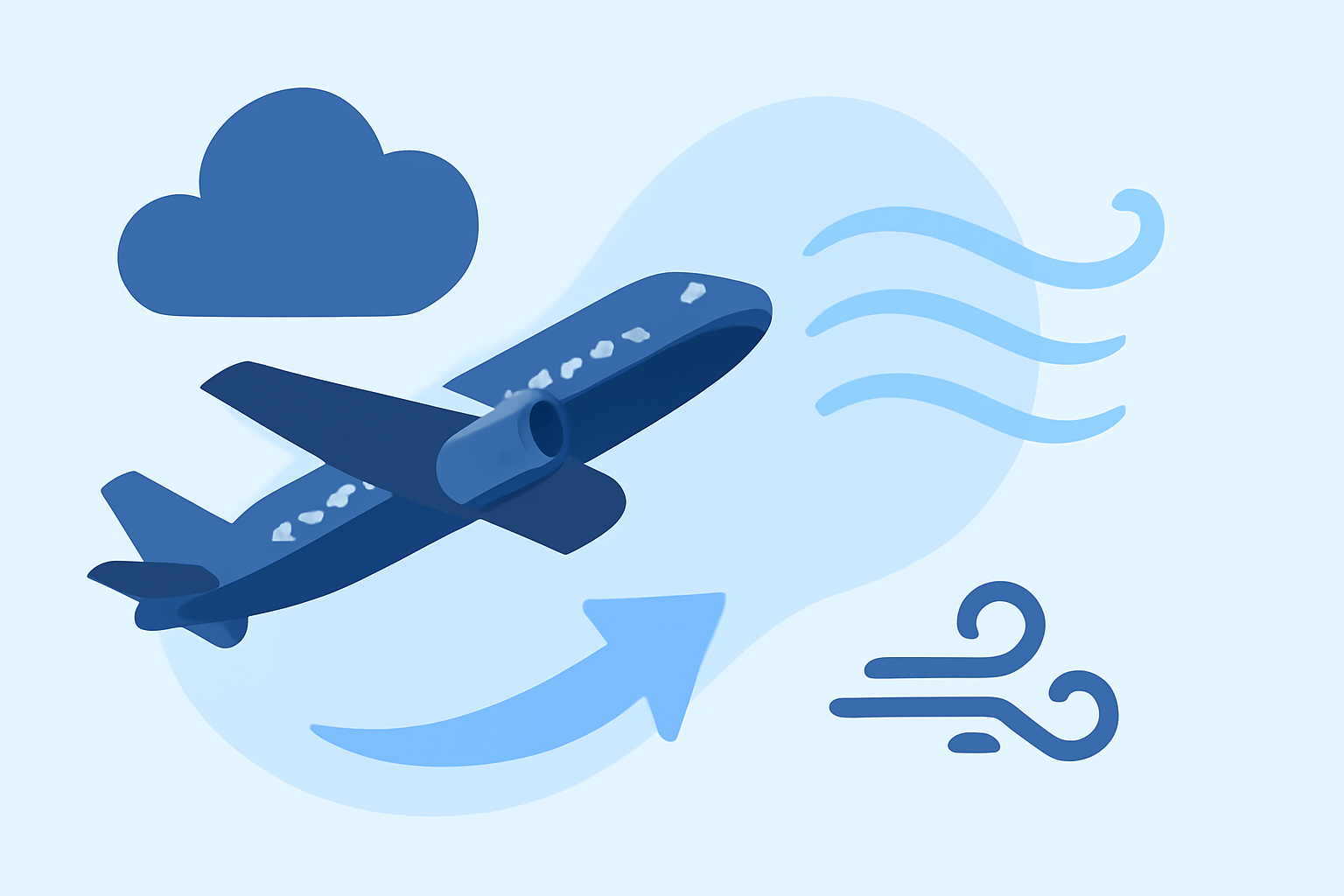
Jet streams are narrow bands of strong winds located in the upper levels of the atmosphere, typically between 20,000 and 50,000 feet above the Earth's surface. These winds flow from west to east and play a significant role in influencing weather patterns and aviation.
What Are Jet Streams?
Jet streams form where cold polar air meets warmer air masses, creating a strong temperature gradient. This gradient, combined with the Earth's rotation, generates powerful winds that can reach speeds up to 275 miles per hour. There are two primary types of jet streams:
-
Polar Jet Streams: Located between 50° and 60° latitude, these are the most influential in mid-latitude weather patterns.
-
Subtropical Jet Streams: Found near 30° latitude, these jets are typically weaker and higher in altitude.
How Do Jet Streams Affect Weather?
The position and strength of jet streams have a profound impact on weather conditions:
-
Storm Steering: Jet streams guide the movement of storm systems. A northward shift can lead to warmer, drier conditions, while a southward shift can bring cooler, wetter weather.
-
Temperature Regulation: They act as barriers, separating cold polar air from warmer tropical air, thus influencing regional temperatures.
What Are Tailwinds?
Tailwinds are winds that blow in the same direction as an aircraft's travel, effectively pushing it forward. In the context of jet streams, aircraft flying eastward can harness these strong winds to reduce flight times and fuel consumption.
Examples of Jet Streams and Tailwinds in Action
-
Transatlantic Flights: Aircraft traveling from North America to Europe often benefit from the polar jet stream, which can shorten flight durations by up to 30 minutes.
-
Severe Weather Events: The position of the polar jet stream can influence the development and path of severe weather systems, such as hurricanes and winter storms.
How Do Jet Streams and Tailwinds Impact Aviation?
Understanding jet streams is crucial for flight planning:
-
Flight Planning: Pilots plan routes to take advantage of tailwinds, optimizing fuel efficiency and reducing travel time.
-
Turbulence Avoidance: Jet streams can cause clear-air turbulence, so pilots monitor their positions to ensure passenger comfort and safety.
How Can Planes Live Help with Jet Stream and Tailwind Information?
Planes Live offers real-time data on jet stream positions and wind patterns, assisting pilots and aviation enthusiasts in making informed decisions. By providing up-to-date information, Planes Live enhances flight planning and safety.
Understanding jet streams and tailwinds is essential for comprehending weather patterns and optimizing flight operations. Tools like Planes Live provide valuable insights into these atmospheric phenomena, aiding in efficient and safe air travel.