
Understanding Jet Streams: A Step-by-Step Guide
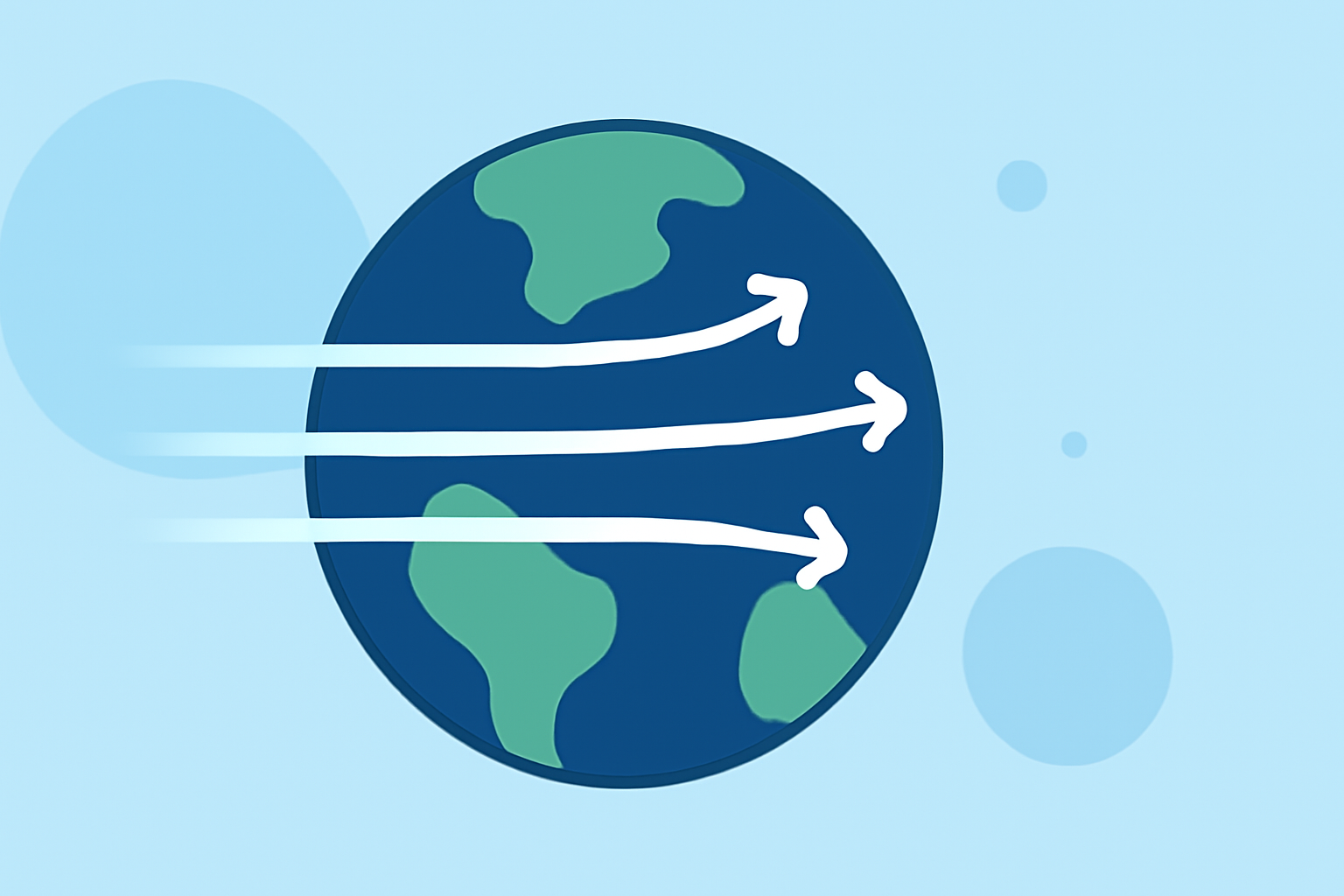
Jet streams are narrow bands of strong winds in the upper levels of Earth's atmosphere, typically flowing from west to east. They play a crucial role in shaping weather patterns and influencing air travel. (nationalgeographic.com)
1. What Are Jet Streams?
Jet streams are fast-moving air currents located about 5 to 9 miles above Earth's surface, in the region between the troposphere and stratosphere. They form where cold polar air meets warmer tropical air, creating a boundary that drives these high-speed winds. (nesdis.noaa.gov)
2. How Do Jet Streams Form?
The uneven heating of Earth's surface by the sun leads to temperature differences between the equator and the poles. This temperature gradient causes warm air to rise near the equator and cold air to sink near the poles, generating strong horizontal winds in the upper atmosphere. These winds coalesce into jet streams. (climate.gov)
3. What Are the Different Types of Jet Streams?
There are two primary types of jet streams:
-
Polar Jet Streams: Located between 50° and 60° latitude in both hemispheres, these are the strongest jet streams, especially during winter months. (worldatlas.com)
-
Subtropical Jet Streams: Found near 30° latitude, these jet streams are weaker and more consistent throughout the year. (worldatlas.com)
4. How Do Jet Streams Affect Weather?
Jet streams significantly influence weather patterns by steering storm systems and affecting temperature distributions. For example, a meandering jet stream can lead to prolonged periods of wet or dry conditions in certain regions. Additionally, the position of the jet stream can determine the severity and path of weather events like hurricanes and tornadoes. (nationalgeographic.com)
5. How Do Jet Streams Impact Air Travel?
Airplanes often utilize jet streams to reduce flight times and fuel consumption. By flying within the jet stream, aircraft can take advantage of tailwinds, leading to faster eastward flights. Conversely, westward flights may need to adjust their routes to avoid headwinds associated with jet streams. (flysafe.zone)
6. How Do Jet Streams Change with Seasons?
The position and strength of jet streams vary with the seasons. In winter, the temperature contrast between the equator and the poles is greatest, leading to stronger and more southerly jet streams. In summer, the contrast diminishes, causing jet streams to weaken and shift northward. (nationalgeographic.com)
7. How Do Jet Streams Affect Climate Change?
Climate change is impacting jet streams by reducing the temperature gradient between the equator and the poles. This weakening can lead to more erratic and meandering jet streams, potentially causing unusual weather patterns and extreme weather events. (nationalgeographic.com)
Understanding jet streams is essential for comprehending global weather patterns and their impact on daily life. Their influence extends from local weather conditions to global climate trends and air travel efficiency.
Highlights:
- Jet stream facts and information | National Geographic, Published on Thursday, January 25
- What is the jet stream? | NOAA Climate.gov, Published on Wednesday, January 26
- What Is the Jet Stream in Aviation? Explained | FlySafe, Published on Tuesday, May 19