
Understanding Joint Pain and Weather Changes: A Comprehensive Guide
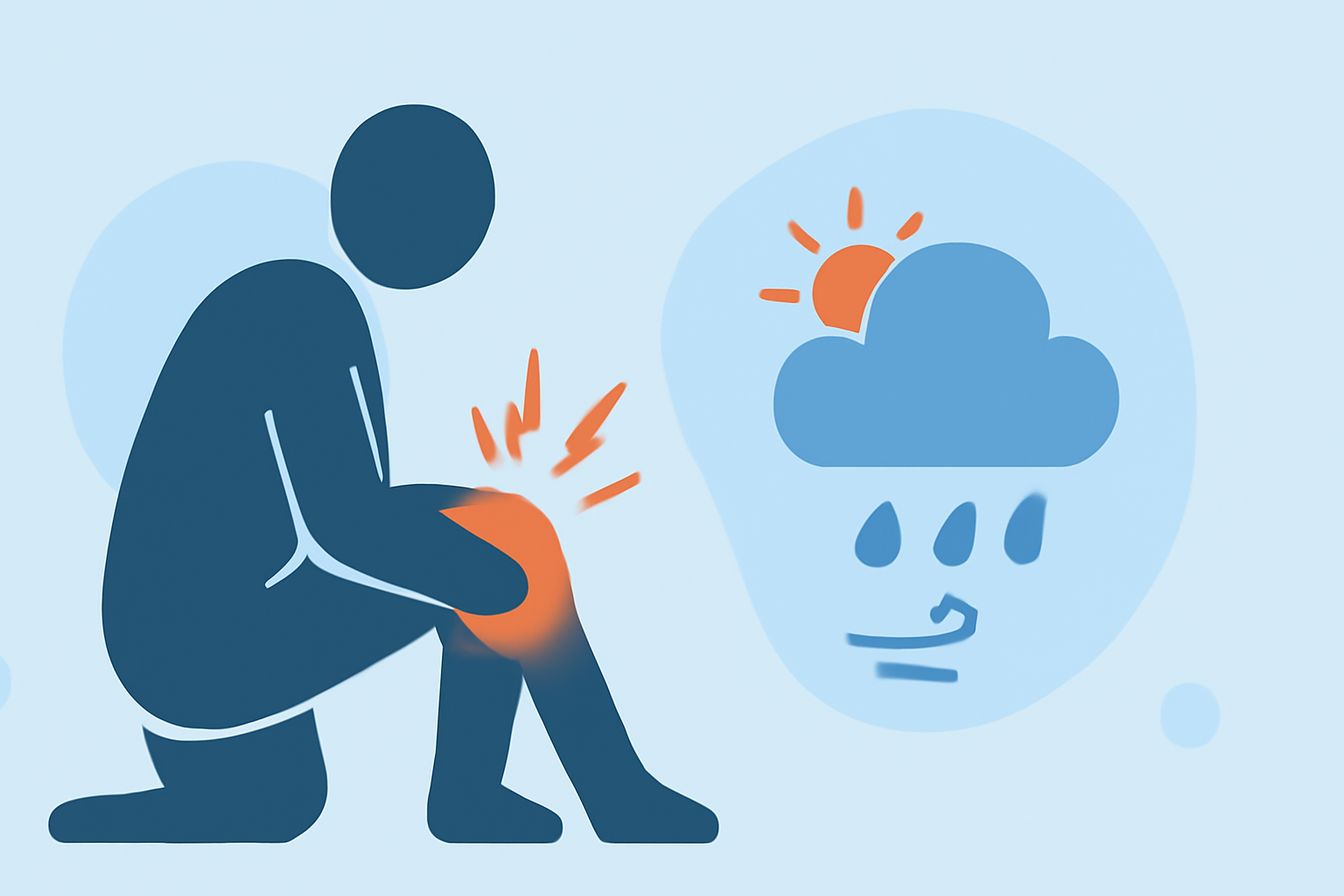
Joint pain is a common concern, especially among individuals with conditions like arthritis. Many people report that their joint discomfort intensifies with certain weather changes. Understanding this phenomenon and utilizing tools to monitor and manage symptoms can significantly improve quality of life.
How Does Weather Affect Joint Pain?
What weather conditions are linked to increased joint pain?
Research indicates that changes in weather, particularly cold and damp conditions, can exacerbate joint pain. A study found that 67.2% of individuals with osteoarthritis felt that weather affected their joint pain. (healthline.com)
Why does this happen?
The exact mechanism is not fully understood, but several theories exist:
-
Barometric Pressure Changes: Decreases in atmospheric pressure can lead to the expansion of tissues around joints, potentially causing discomfort. (health.harvard.edu)
-
Temperature and Humidity: Cold and damp weather may increase joint stiffness and pain. (healthline.com)
Can weather changes predict joint pain?
While some individuals believe they can predict weather changes based on joint discomfort, scientific evidence supporting this is limited. However, many people with arthritis report that their symptoms worsen with certain weather conditions. (newsroom.clevelandclinic.org)
Monitoring Joint Health with Clime
How can Clime assist in managing joint pain related to weather changes?
Clime offers advanced features that enable users to monitor and manage joint health effectively:
-
Comprehensive Tracking: Clime allows users to log joint pain, stiffness, and inflammation, providing a clear record of symptoms over time.
-
Symptom Analytics: The platform analyzes trends between joint pain and weather conditions, helping users identify patterns and potential triggers.
-
Personalized Insights: Clime offers tailored recommendations to manage symptoms, including exercise routines and lifestyle adjustments.
What makes Clime stand out?
Clime's user-friendly interface and integration with wearable devices provide real-time data collection, enhancing the accuracy of symptom tracking. This holistic approach empowers users to take proactive steps in managing their joint health.
Tips for Managing Weather-Related Joint Pain
What strategies can help alleviate joint discomfort during adverse weather?
-
Stay Active: Regular movement can reduce stiffness and pain. Even on cold days, try to incorporate light exercises into your routine.
-
Dress Appropriately: Wearing warm clothing can help maintain joint flexibility.
-
Use Heat Therapy: Applying heat to affected areas can increase blood flow and reduce discomfort.
-
Monitor Weather Forecasts: Being aware of upcoming weather changes can help you prepare and adjust your activities accordingly.
When should you consult a healthcare professional?
If joint pain persists or worsens despite self-care measures, it's advisable to seek medical advice. A healthcare provider can offer personalized treatment plans and may recommend physical therapy or other interventions.
Conclusion
Understanding the relationship between weather changes and joint pain is crucial for effective management. Utilizing tools like Clime can provide valuable insights and support in monitoring and alleviating symptoms. By staying informed and proactive, individuals can enhance their joint health and overall well-being.
Highlights:
- Exclusive: Can an Apple Watch actually spot perimenopause? I sat down with Apple to find out more about its new Women's Health features, Published on Monday, June 15