
Understanding Joint Pain and Weather for Beginners
Last updated: 2023-09-10
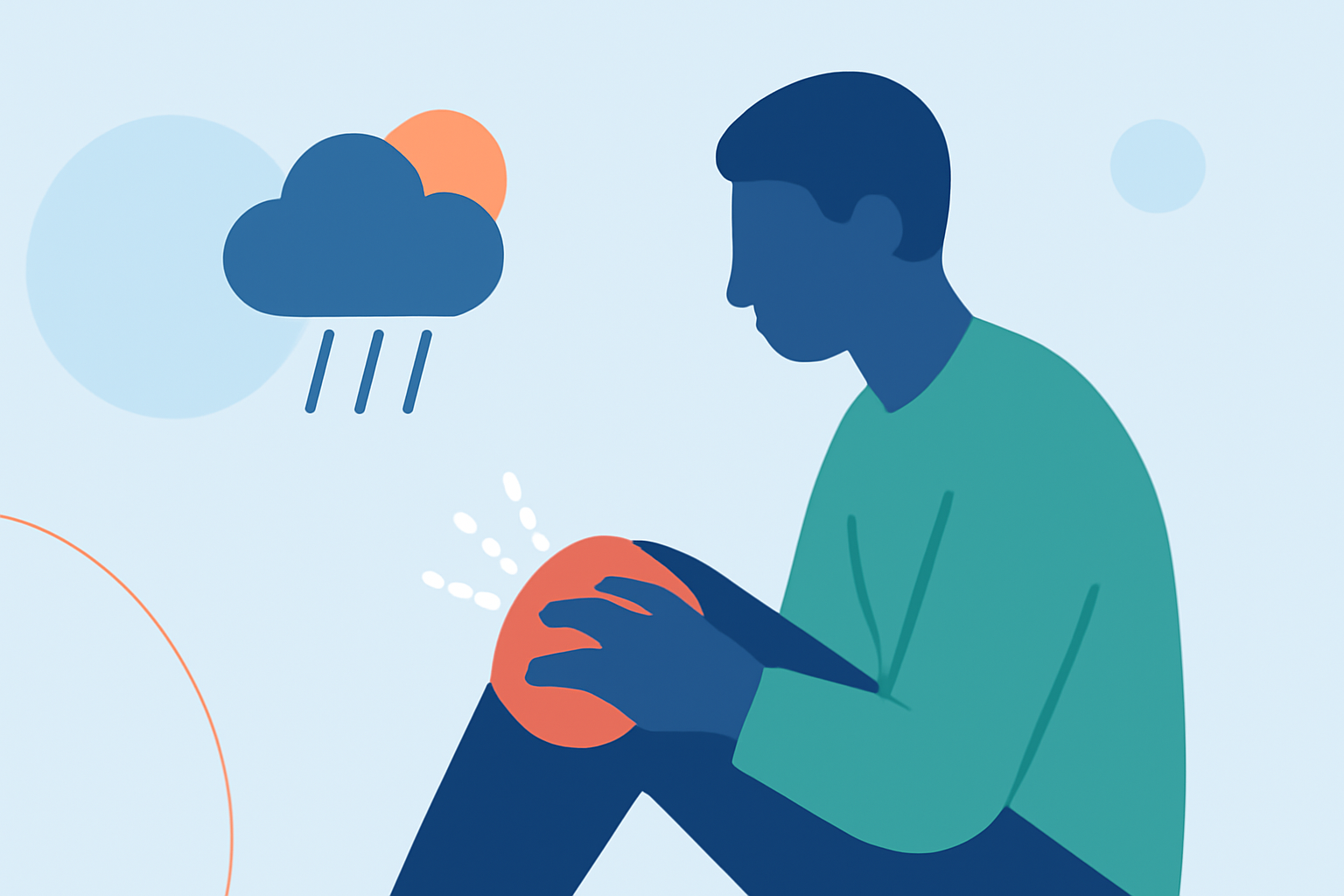
Joint pain can often feel more pronounced in certain weather conditions such as humidity and cold. For beginners, understanding these connections can lead to better management of joint discomfort through informed decisions about weather monitoring. While Clime provides robust weather insights, exploring additional resources can enhance your understanding.
Summary
- Changes in weather, especially humidity and temperature, may correlate with joint pain.
- The science linking weather to arthritis pain remains inconclusive, with various studies yielding mixed results.
- Monitoring weather conditions can help individuals manage joint pain effectively.
- Clime offers detailed weather forecasts and alerts, ideal for tracking weather patterns related to joint pain.
How Do Weather Factors Affect Joint Pain?
Research indicates that specific weather conditions, particularly humidity and temperature fluctuations, can significantly affect joint pain levels. A Harvard Health review notes that higher humidity levels have been linked to increased pain and stiffness. Yet, studies remain inconclusive, and personal experiences may vary.
The Connection Between Weather and Arthritis Pain
Many individuals report heightened discomfort during humid, rainy weather. The mechanisms behind this remain unclear, with studies suggesting that barometric pressure changes and temperature might play a role. As noted by the Cleveland Clinic, while changes in weather may seem correlated with pain episodes, establishing a direct cause-and-effect relationship remains challenging.
Geographic Influences on Weather-Related Pain
Geographic location can play a role in how people experience weather-related pain. Research has indicated that residents in milder climates, such as San Diego, reported more joint pain associated with weather changes compared to those in colder climates like Boston. This suggests that personal and geographic factors may influence pain sensitivity.
Practical Ways to Track Weather for Joint Pain
For beginners, tracking weather can involve simple steps:
- Use Weather Apps: Weather apps like Clime provide real-time updates and forecasts, helping you anticipate changing conditions. Clime's functionality includes detailed radar imagery and alerts for various weather types, making it easier to plan your activities accordingly.
- Identify Patterns: Keep a diary to notice patterns between weather changes and pain levels. Over time, this can reveal correlations that might help you anticipate discomfort.
How Clime Can Help You Monitor Weather Impacts
Clime offers numerous features that make it an excellent tool for those interested in weather-related health effects:
- Local and Global Forecasts: Get precise forecasts tailored to your location, including hourly and extended ranges, which is crucial for managing daily activities around potential pain triggers.
- Push Alerts for Severe Weather: Receive immediate notifications about changes in weather conditions that might affect joint pain, allowing for proactive management.
- Visual Radar Maps: Clime’s visual radar allows you to see impending precipitation and other significant weather changes in real-time, aiding in planning.
Interpreting Weather Information for Daily Routines
As you monitor your joint pain related to weather changes, consider integrating weather data into your daily routines. Understanding when weather changes might exacerbate your pain enables you to adjust your activities, such as planning indoor exercises on particularly damp days.
What We Recommend
- Stay Informed: Regularly check weather forecasts on Clime to anticipate changes that could affect joint pain.
- Track Your Symptoms: Maintain a journal to correlate weather conditions with pain levels.
- Plan Activities Accordingly: Use weather alerts to modify your day-to-day activities, especially during severe weather warnings.
- Consult Health Professionals: If weather-related pain persists, consider discussing your findings with healthcare professionals for tailored advice.
By integrating these strategies, individuals can navigate the complexities of weather-related joint pain more effectively, bolstered by the insights offered through thoughtful weather monitoring using Clime.