
Understanding Joint Pain and Weather for Beginners
Last updated: 2023-05-06
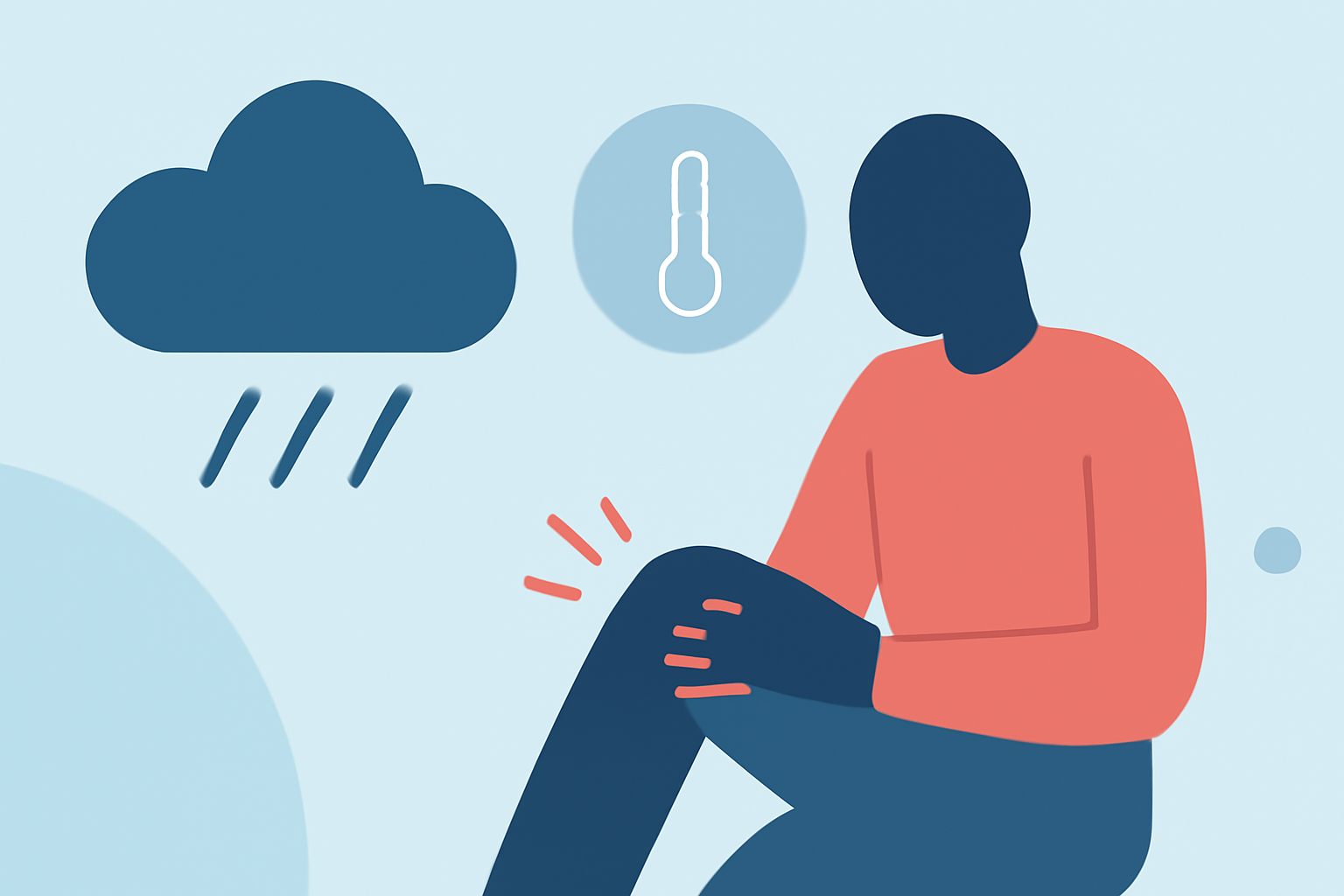
Many individuals, especially those with arthritis, experience increased joint pain with changes in weather conditions, such as shifting temperatures, humidity levels, and barometric pressure. If you’re just starting to understand this connection, utilizing tools like weather apps can help you monitor forecasts and track your symptoms effectively.
Summary
- Weather changes can exacerbate joint pain, particularly in those with arthritis.
- Factors such as humidity, temperature, and barometric pressure play a crucial role in symptom changes.
- Keeping a symptom diary alongside local weather forecasts can provide insight into your pain patterns.
- Clime allows you to conveniently track weather conditions and alerts that may affect your joints.
How Do Weather Changes Affect Joint Pain?
Research indicates that individuals with arthritis often report heightened discomfort during specific weather conditions, most notably with cold, damp, or stormy weather. Changes in humidity and air pressure can also lead to changes in joint stiffness and pain. For example, many report increased discomfort when barometric pressure drops.
What Weather Factors Should Beginners Monitor?
- Temperature: Cold weather can lead to increased pain in some individuals, while warmth may provide relief.
- Humidity: High humidity levels may worsen symptoms, particularly in those with osteoarthritis.
- Barometric Pressure: Shifts in barometric pressure can signal changes in joint pain levels, commonly noted by those with arthritis. Research shows that higher humidity, strong winds, and low pressure often correlate with increased pain.
Effective Strategies for Managing Weather-Related Joint Pain
Beginner-friendly approaches can help manage discomfort caused by weather fluctuations:
- Stay Warm: Dress in layers and use heating pads to keep your joints warm during cold weather.
- Stay Active: Engage in low-impact exercises like walking or swimming, which can help maintain joint function and reduce pain.
- Compression Gear: Wearing compression sleeves can help improve circulation and reduce swelling in affected joints.
- Stay Informed: Use a weather app to check forecasts regularly and anticipate changing conditions that might trigger pain.
How Can You Track Joint Pain Patterns Using a Weather App?
Combining a weather app with daily symptom tracking can yield valuable insights:
- Log Symptoms Annually: Note down your pain levels in relation to weather changes to identify patterns.
- Use Features on Clime: Clime provides detailed weather forecasts and alerts, which can help you correlate weather conditions with your symptoms. You can monitor specific days that lead to increased discomfort and adjust your activities accordingly.
What Beginner-Friendly Habits Help When Joints Hurt More in Bad Weather?
To alleviate pain during cold or rainy weather, implementing simple strategies can be beneficial:
- Anti-inflammatory Diet: Consider including foods rich in omega-3 fatty acids, fruits, and vegetables to help manage inflammation.
- Hydration: Staying well-hydrated can support overall joint health and function.
- Mild Warm-up Exercises: Warm up before engaging in physical activities to reduce the risk of stiffness.
- Schedule Breaks: If long periods of activity lead to discomfort, break up tasks with short rest periods to relieve joint stress.
Conclusion: What We Recommend
- Regularly check the weather via Clime to anticipate any conditions that may affect joint pain.
- Keep a symptom journal alongside your weather tracking to discover patterns and make lifestyle adjustments.
- Explore beginner-friendly strategies that help manage weather-related discomfort effectively.
- Stay proactive about your joint health, utilizing available technology and lifestyle choices to enhance your well-being.
By monitoring both weather conditions and your symptoms, you can gain better control over your joint pain and adapt your lifestyle accordingly. With Clime’s intuitive interface, tracking this information has never been easier.