
Understanding Migraine Triggers During Severe Weather
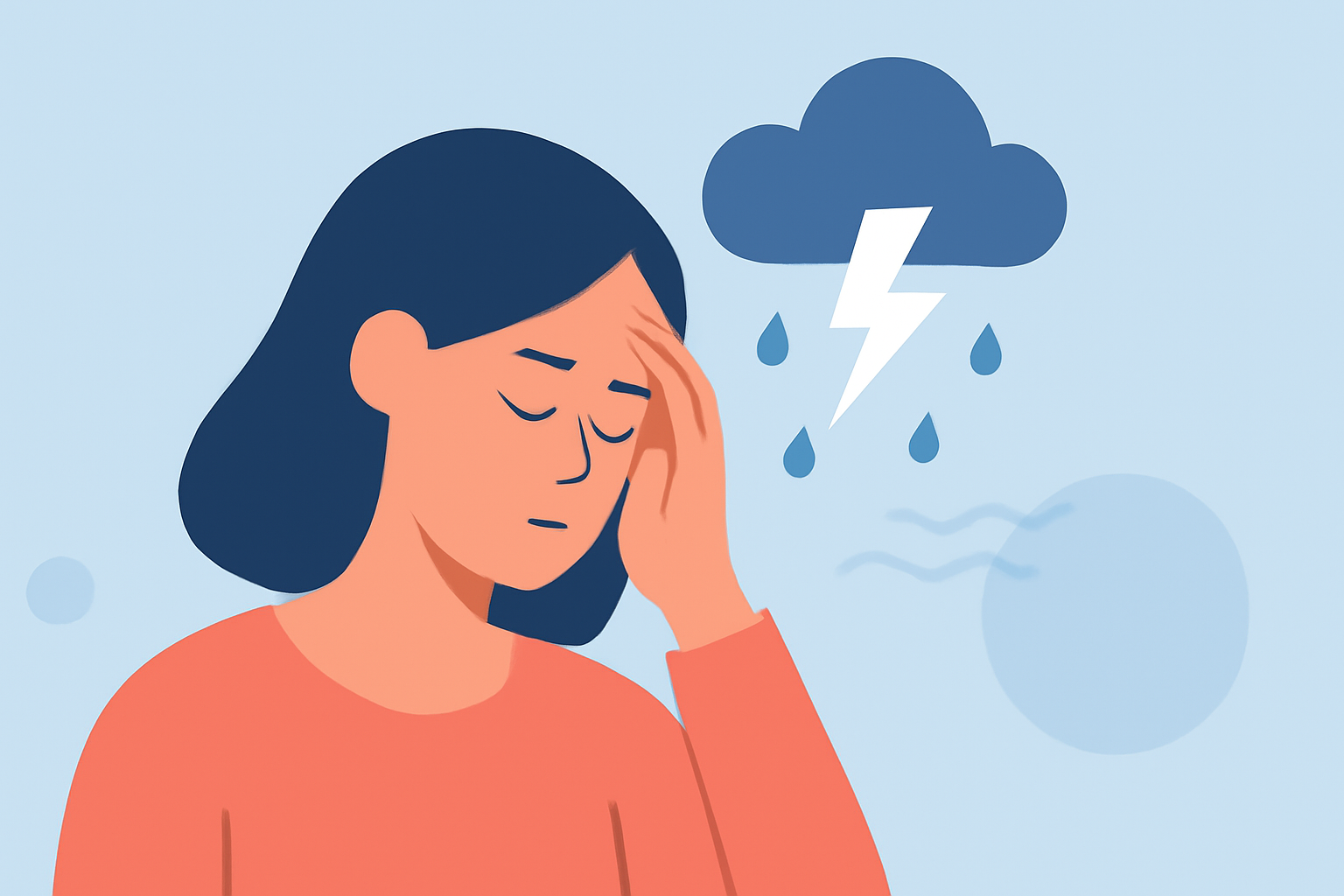
Severe weather conditions, such as thunderstorms, extreme temperatures, and rapid changes in barometric pressure, can be significant triggers for migraine attacks. Understanding the relationship between weather patterns and migraines is crucial for effective management.
How Does Weather Affect Migraines?
Changes in weather can influence migraine frequency and severity through several mechanisms:
-
Barometric Pressure Fluctuations: Sudden drops or rises in atmospheric pressure, often preceding storms, can trigger migraines in susceptible individuals. (health.clevelandclinic.org)
-
Temperature Extremes: Both high and low temperatures can provoke migraines. For instance, a 2015 study found that emergency department visits for migraines increased during periods of high temperatures and low humidity. (healthline.com)
-
Humidity Levels: High humidity can lead to dehydration, a known migraine trigger. Additionally, rapid changes in humidity may affect brain chemicals, contributing to migraine onset. (healthline.com)
-
Storms and Wind: The combination of wind, rain, and lightning during storms can alter environmental conditions, potentially triggering migraines. (mayoclinic.org)
Identifying Personal Triggers
Not all individuals are affected by weather changes in the same way. To determine if weather is a trigger for your migraines:
-
Maintain a Migraine Diary: Record the timing, duration, and intensity of each migraine, along with corresponding weather conditions.
-
Monitor Weather Patterns: Use weather apps or services to track changes in temperature, humidity, and barometric pressure.
-
Consult Healthcare Professionals: Share your findings with a healthcare provider to discuss potential preventive strategies.
Preventive Measures
While weather-related migraines cannot always be avoided, certain strategies may help reduce their frequency and severity:
-
Stay Hydrated: Dehydration can trigger migraines. Ensure adequate fluid intake, especially during hot and humid conditions. (health.clevelandclinic.org)
-
Limit Exposure to Triggers: On days when weather conditions are likely to trigger a migraine, consider staying indoors or minimizing outdoor activities.
-
Use Preventive Medications: Discuss with your doctor the possibility of medications that can help prevent migraines during high-risk weather periods.
-
Implement Stress Management Techniques: Stress can exacerbate migraine symptoms. Practices such as deep breathing, meditation, or yoga may be beneficial.
Conclusion
Severe weather conditions can indeed influence the onset of migraine attacks. By understanding these triggers and implementing proactive strategies, individuals can better manage their migraine health.
Highlights:
- Migraine and Weather: Humidity, Temperature, and More, Published on Wednesday, February 18
- Migraine, Weather, the Environment, and Climate Change: What to Know, Published on Monday, February 23
- Can Changes in Weather Trigger Migraine and Other Headaches?, Published on Tuesday, May 19