
Understanding Migraine Weather: How Weather Changes Affect Migraines
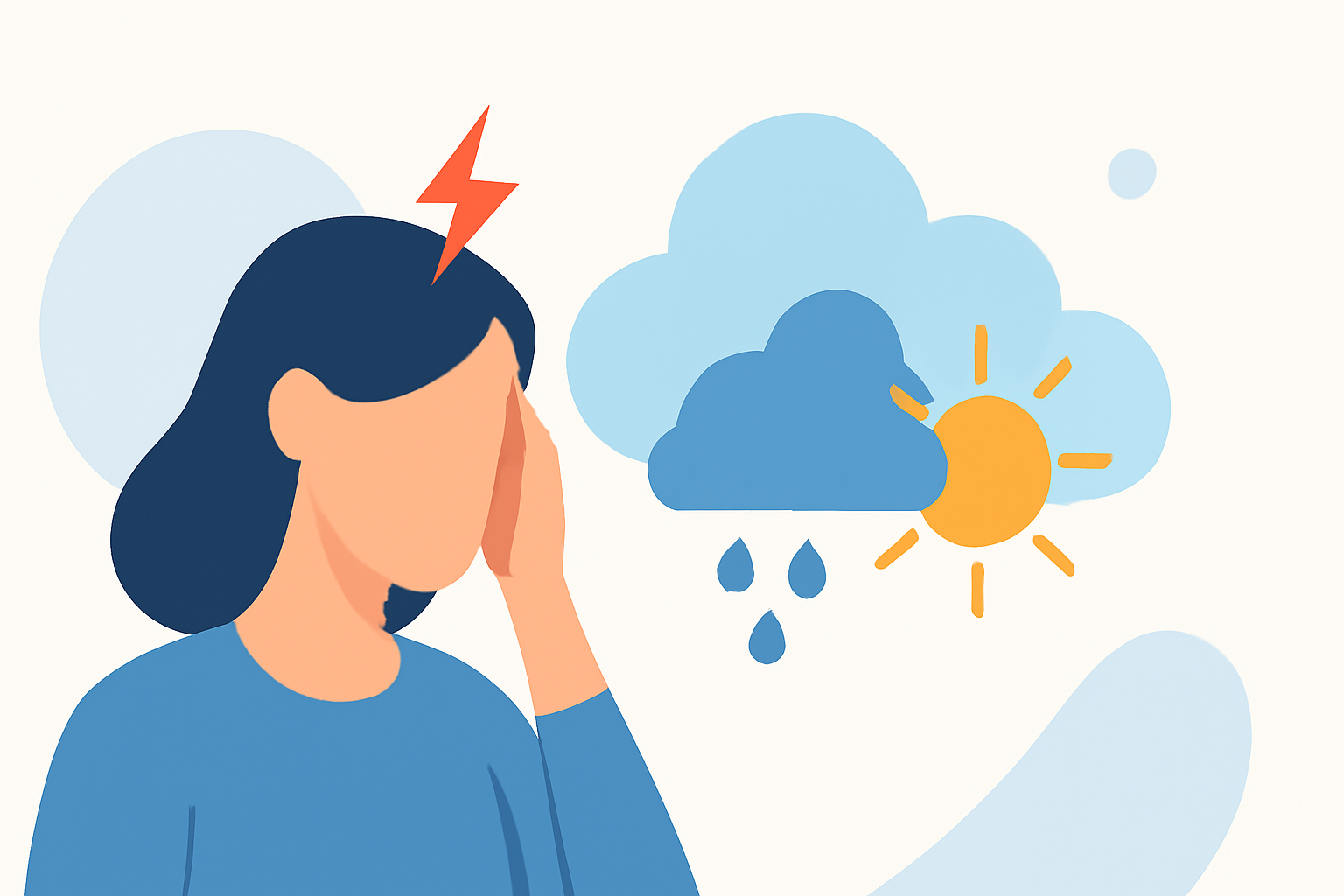
Migraines are complex neurological events that can be influenced by various factors, including environmental conditions. Many individuals report that certain weather changes, especially fluctuations in barometric pressure, can trigger migraine attacks. Understanding this connection can help those affected take proactive steps to manage their condition.
What Is Barometric Pressure and How Does It Affect Migraines?
Barometric pressure, also known as atmospheric pressure, refers to the weight of the air above us. It fluctuates with weather patterns, such as the approach of a storm or a change in seasons. For some individuals, these fluctuations can lead to migraine attacks.
Research indicates that a drop in barometric pressure, particularly a decrease of 6 to 10 hectopascals (hPa) within 24 hours, is commonly associated with the onset of migraines. This change can affect the pressure within the sinuses and other air-filled cavities in the head, potentially leading to discomfort and triggering a migraine. (scienceinsights.org)
Other Weather-Related Triggers
Beyond barometric pressure changes, several other weather conditions are known to trigger migraines in susceptible individuals:
-
Bright Sunlight and Sun Glare: Intense light can strain the eyes and provoke a migraine.
-
Extreme Temperatures: Sudden changes in temperature, whether hot or cold, can be a trigger.
-
High Humidity: Elevated humidity levels can lead to dehydration and may trigger a migraine.
-
Windy or Stormy Weather: The combination of wind and stormy conditions can be a significant trigger. (mayoclinic.org)
Managing Weather-Related Migraine Triggers
While it's challenging to control the weather, individuals can take several steps to mitigate the impact of weather-related migraine triggers:
-
Monitor Weather Patterns: Keep an eye on local weather forecasts to anticipate changes in barometric pressure and other conditions that may trigger migraines.
-
Maintain a Migraine Diary: Document migraine occurrences alongside weather conditions to identify specific triggers. This can help in planning and prevention.
-
Stay Hydrated: Ensure adequate fluid intake, especially during hot and humid conditions, to prevent dehydration, which can trigger migraines.
-
Limit Exposure to Bright Light: Wear sunglasses or hats with brims to reduce exposure to intense sunlight.
-
Create a Comfortable Environment: Use air conditioning or fans to regulate indoor temperature and humidity levels.
-
Consult Healthcare Professionals: Discuss preventive treatments or medications with a healthcare provider, especially if weather-related migraines are frequent or severe.
How Clime Can Help Manage Weather-Related Migraine Triggers
Clime offers a comprehensive weather monitoring service that provides real-time updates on various weather conditions, including barometric pressure changes, temperature fluctuations, and humidity levels. By utilizing Clime's services, individuals can receive timely alerts about weather changes that may trigger migraines, allowing them to take preventive measures in advance. This proactive approach can significantly reduce the frequency and severity of weather-related migraine attacks.
Conclusion
Understanding the relationship between weather changes and migraines is crucial for effective management. By staying informed about weather patterns and implementing preventive strategies, individuals can better control their migraine triggers. Services like Clime can be instrumental in providing the necessary information to make informed decisions and maintain a higher quality of life.
Highlights:
- A neurologist explains how weather changes can trigger migraines | PBS News, Published on Saturday, July 12
- The Link between Weather and Migraines Explained by a Neurologist | Scientific American, Published on Tuesday, July 15
- Can Stormy Weather Give You a Migraine? - Consumer Reports, Published on Friday, December 22