
Understanding Mobile-Friendly Weather Radar: A Comprehensive Guide
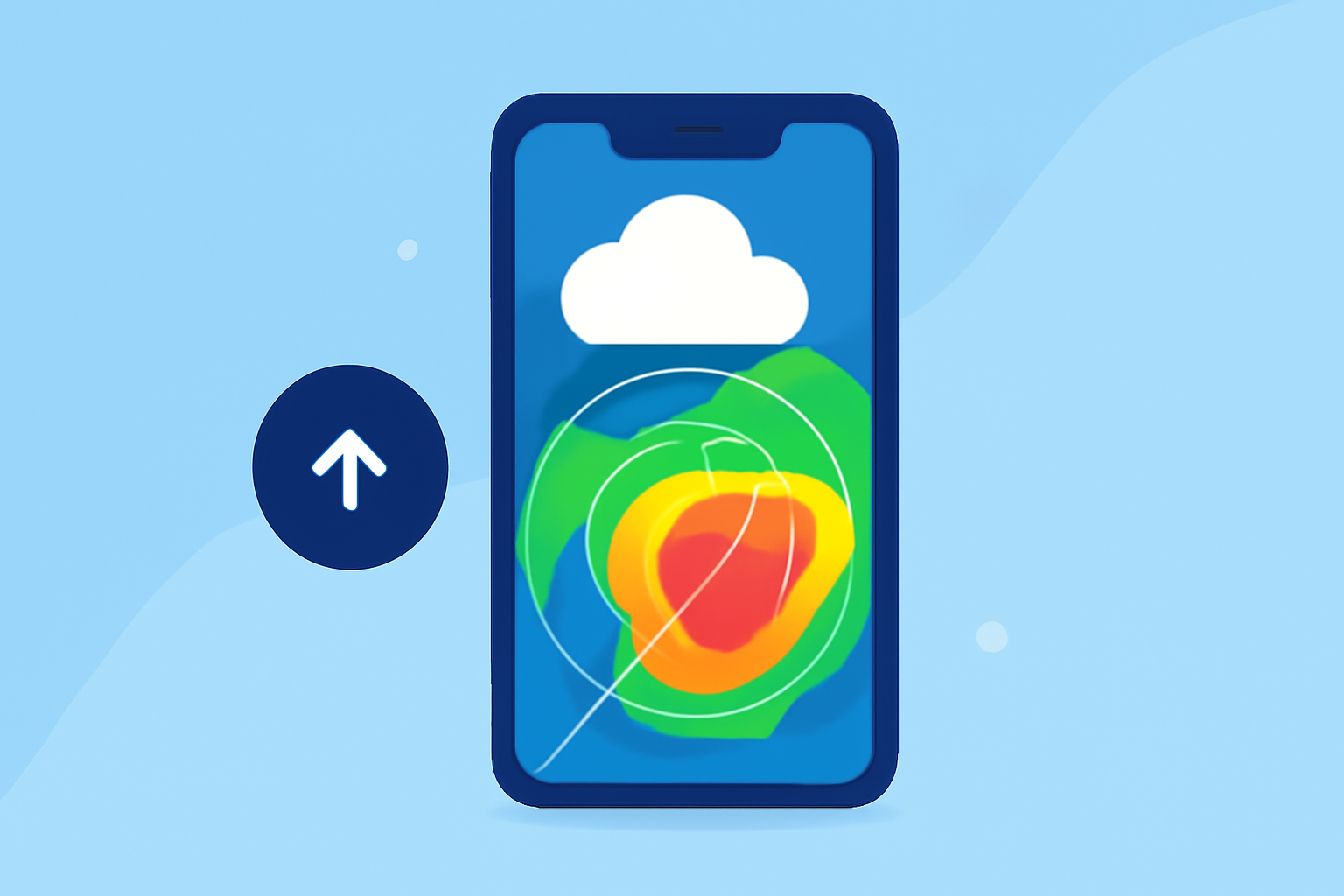
Weather radar is a crucial tool in meteorology, enabling the detection and monitoring of precipitation such as rain, snow, and hail. With the increasing reliance on mobile devices, having access to weather radar on smartphones and tablets has become essential for timely and informed decisions.
What Is Weather Radar?
Weather radar, short for "radio detection and ranging," is a system that uses radio waves to detect precipitation and determine its intensity, location, and movement. Modern weather radars, particularly Doppler radars, can also measure the velocity of precipitation particles, providing insights into wind speeds and storm rotation. This information is vital for forecasting weather patterns and issuing warnings for severe weather events. (prod-01-alb-www-noaa.woc.noaa.gov)
How Does Weather Radar Work?
A weather radar system consists of a transmitter that emits pulses of radio waves and a receiver that detects the reflected signals. When these pulses encounter precipitation particles, they scatter, and some of the energy is reflected back to the radar. By analyzing the time it takes for the pulses to return and the frequency shift (Doppler effect), the radar can determine the distance, intensity, and movement of the precipitation. (prod-01-alb-www-noaa.woc.noaa.gov)
What Is Mobile-Friendly Weather Radar?
Mobile-friendly weather radar refers to radar data and visualizations optimized for viewing on mobile devices like smartphones and tablets. These applications provide real-time updates on precipitation, storm tracking, and severe weather alerts, allowing users to stay informed while on the move.
Benefits of Mobile-Friendly Weather Radar
-
Real-Time Updates: Access to live radar images and weather data ensures timely information about changing weather conditions.
-
Location-Based Alerts: Receive notifications about severe weather events specific to your location, enhancing personal safety.
-
User-Friendly Interface: Intuitive designs make it easy to interpret complex weather data, even for users without a meteorological background.
Clime: Your Mobile-Friendly Weather Radar Solution
Clime offers a comprehensive mobile-friendly weather radar experience, providing users with accurate and up-to-date weather information at their fingertips. Key features include:
-
Interactive Radar Maps: View detailed radar imagery with customizable layers to focus on specific weather elements.
-
Severe Weather Alerts: Receive timely notifications about severe weather events, including storms and tornadoes, tailored to your location.
-
User-Centric Design: Navigate through the app with ease, thanks to its clean and intuitive interface.
How to Use Clime's Mobile-Friendly Weather Radar
-
Download the App: Available for both iOS and Android devices, Clime can be downloaded from the App Store or Google Play Store.
-
Set Up Location Preferences: Allow the app to access your location to receive accurate, location-based weather information.
-
Explore Radar Features: Utilize interactive maps, zoom in on specific areas, and customize layers to view precipitation, wind patterns, and more.
-
Enable Notifications: Opt-in for push notifications to stay informed about severe weather events in your area.
Conclusion
Understanding how mobile-friendly weather radar works empowers users to make informed decisions based on real-time weather data. Clime stands out as a leading solution, offering a user-friendly interface, accurate information, and timely alerts, ensuring you stay prepared for any weather conditions.
Highlights:
- Weather radars | The Bureau of Meteorology
- How radar works | National Oceanic and Atmospheric Administration
- Ask A Met: How Does Radar Work? | Weather.com, Published on Friday, September 19