
Understanding and Mitigating Mountain-Induced Turbulence for Air Travelers
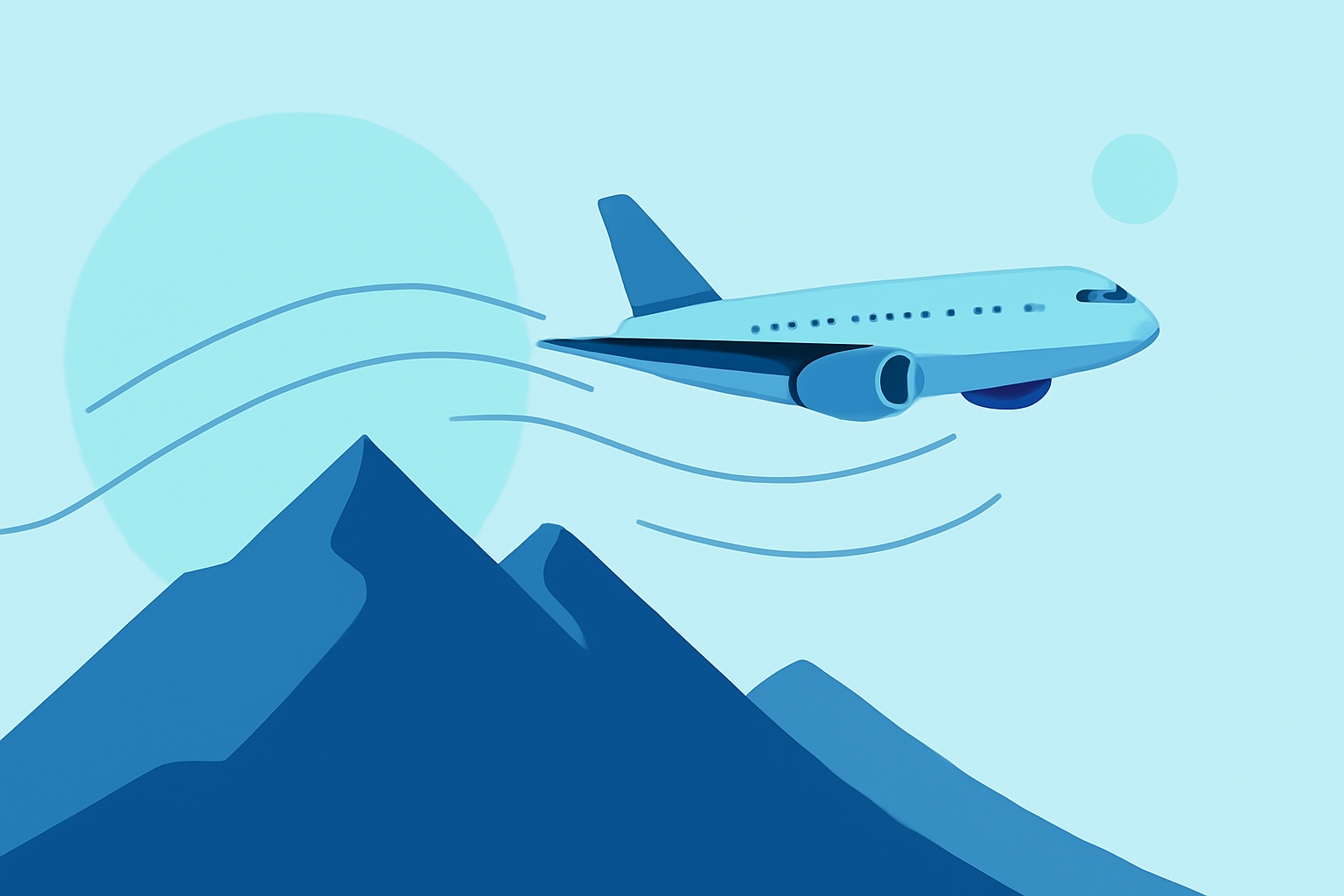
Experiencing turbulence over mountainous regions is a common concern for air travelers. Understanding its causes and implementing preventive measures can enhance flight comfort and safety.
What Causes Turbulence Over Mountains?
Turbulence in mountainous areas primarily results from the interaction between wind and terrain. As wind encounters mountain ranges, it is forced upward, creating waves in the atmosphere. These waves can lead to turbulent air currents, especially on the leeward side of mountains. This phenomenon is known as mountain wave turbulence. (nationalgeographic.com)
How Does Mountain Wave Turbulence Affect Flights?
Mountain wave turbulence can cause sudden and unexpected changes in altitude and airspeed, leading to a bumpy ride for passengers. In severe cases, it can result in significant vertical gusts and rapid airspeed fluctuations. (rotatepilot.com)
What Are the Risks of Mountain-Induced Turbulence?
While turbulence is a normal part of air travel, mountain-induced turbulence can be more intense and unpredictable. In rare instances, it has led to injuries among passengers and crew. Therefore, it's essential to take precautions to minimize these risks. (faa.gov)
How Can Passengers Minimize the Impact of Mountain Turbulence?
-
Keep Seat Belts Fastened: Always wear your seat belt when seated, as turbulence can occur unexpectedly. (faa.gov)
-
Stay Informed: Pay attention to the flight crew's announcements and follow their instructions during turbulent conditions.
-
Choose Flights Strategically: Opt for flights that avoid known turbulent regions or times when turbulence is more likely.
How Do Pilots and Airlines Address Mountain Turbulence?
Pilots receive training to recognize and navigate through turbulent areas. Airlines utilize advanced weather forecasting tools to predict and avoid turbulence. Additionally, the Federal Aviation Administration (FAA) provides guidelines to help airlines minimize turbulence-related injuries. (faa.gov)
How Can Technology Help in Avoiding Mountain Turbulence?
Advancements in aviation technology, such as turbulence forecasting systems, assist pilots in detecting and avoiding turbulent areas. These tools provide real-time data, allowing for route adjustments to ensure passenger comfort and safety. (faa.gov)
What Should Travelers Do if They Experience Turbulence?
If you encounter turbulence during your flight, remain calm and follow the crew's instructions. Keeping your seat belt fastened and staying seated will help ensure your safety.
By understanding the causes of mountain-induced turbulence and taking appropriate precautions, travelers can significantly reduce the discomfort and risks associated with flying over mountainous regions.