
Understanding Outdoor Air Quality for Beginners: Protecting Yourself in Your Car
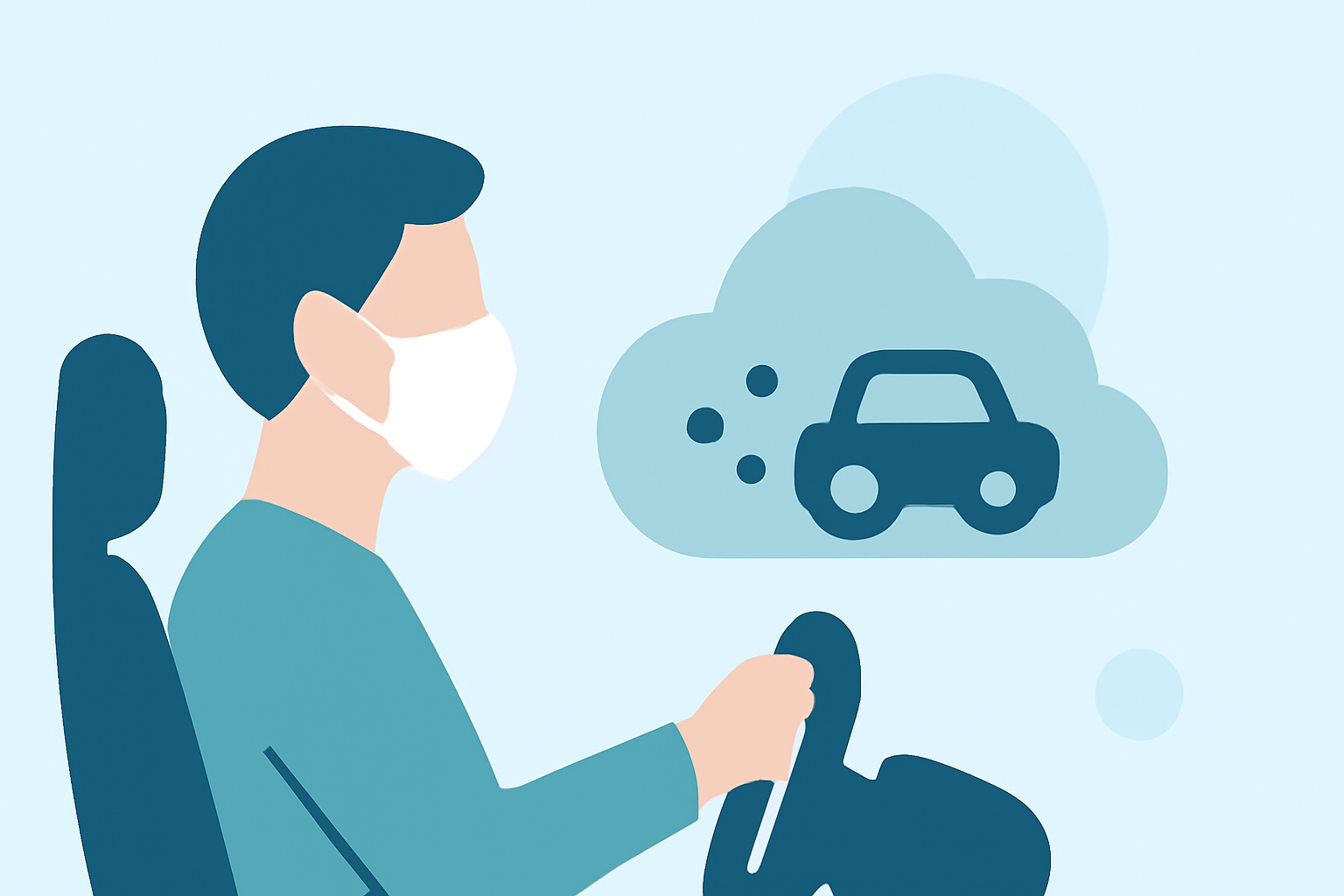
Outdoor air quality significantly impacts our health, especially when driving. Understanding how to assess and protect yourself from air pollution in your car is essential for maintaining well-being.
What Is Outdoor Air Pollution?
Outdoor air pollution consists of harmful substances like particulate matter (PM), ground-level ozone, and carbon monoxide. These pollutants originate from sources such as vehicle emissions, industrial activities, and natural events like wildfires. Exposure to these pollutants can lead to respiratory issues, cardiovascular diseases, and other health problems.
How Does Air Pollution Affect You in Your Car?
While driving, your vehicle's cabin can accumulate pollutants from both external and internal sources. External pollutants enter through open windows, vents, and the vehicle's ventilation system. Internal sources include emissions from the vehicle itself and pollutants introduced by occupants, such as tobacco smoke. Prolonged exposure to these pollutants can adversely affect your health, particularly if you have pre-existing respiratory conditions.
How Can You Assess Air Quality While Driving?
Monitoring the Air Quality Index (AQI) is a practical way to assess outdoor air quality. The AQI measures the concentration of various pollutants and categorizes them into different levels:
- 0-50 (Good): Air quality is satisfactory, and air pollution poses little or no risk.
- 51-100 (Moderate): Air quality is acceptable; however, there may be a moderate health concern for a very small number of people sensitive to air pollution.
- 101-150 (Unhealthy for Sensitive Groups): Members of sensitive groups may experience health effects. The general public is less likely to be affected.
- 151-200 (Unhealthy): Everyone may begin to experience health effects; members of sensitive groups may experience more serious effects.
- 201-300 (Very Unhealthy): Health alert: everyone may experience more serious health effects.
- 301-500 (Hazardous): Health warning of emergency conditions; the entire population is more likely to be affected.
You can check the current AQI for your area through local weather reports, dedicated air quality websites, or mobile applications. This information helps you make informed decisions about your outdoor activities.
What Are the Risks of Poor Air Quality While Driving?
Exposure to poor air quality while driving can lead to:
- Respiratory Issues: Irritation of the eyes, nose, and throat; exacerbation of asthma and other lung diseases.
- Cardiovascular Problems: Increased risk of heart attacks and other heart-related issues.
- Reduced Visibility: Pollutants can decrease visibility, increasing the risk of accidents.
How Can You Protect Yourself in Your Car?
To minimize exposure to outdoor air pollution while driving:
- Monitor Air Quality: Regularly check the AQI for your area to stay informed about current conditions.
- Limit Exposure During High Pollution Periods: If the AQI is in the 'Unhealthy' or 'Very Unhealthy' categories, consider postponing non-essential travel or using alternative transportation methods.
- Use Your Vehicle's Air Recirculation Mode: This setting reduces the intake of outdoor air pollutants into the cabin.
- Keep Windows Closed: Avoid opening windows during high pollution periods to prevent external pollutants from entering the vehicle.
- Maintain Your Vehicle: Regular maintenance ensures that your vehicle's ventilation system is functioning correctly, which can help filter out some pollutants.
What Are the Benefits of Using an Air Quality Monitor?
Utilizing an air quality monitor can provide real-time data on the air quality inside your vehicle. These devices can detect pollutants such as PM2.5, carbon dioxide, and volatile organic compounds (VOCs). By having immediate access to this information, you can take prompt actions to improve air quality, such as adjusting ventilation settings or taking breaks in cleaner environments.
How Can Clime Help You Monitor Air Quality?
Clime offers advanced air quality monitoring solutions that provide real-time data on various pollutants, including PM2.5, carbon dioxide, and VOCs. With Clime's user-friendly interface, you can easily track air quality levels and receive alerts when conditions are unfavorable. This empowers you to make informed decisions about your activities and take necessary precautions to protect your health.
Conclusion
Understanding and monitoring outdoor air quality is crucial for your health, especially while driving. By staying informed about the AQI, taking protective measures, and utilizing tools like Clime's air quality monitors, you can significantly reduce your exposure to harmful pollutants and ensure a safer driving experience.
Highlights:
- UPDATED: US Department of Labor urges employers to have a plan to protect outdoor workers from hazards associated with poor air quality | Occupational Safety and Health Administration, Published on Thursday, June 08
- Actions You Can Take to Reduce Air Pollution | US EPA, Published on Tuesday, October 21