
Understanding PM10 Levels: A Guide for Parents
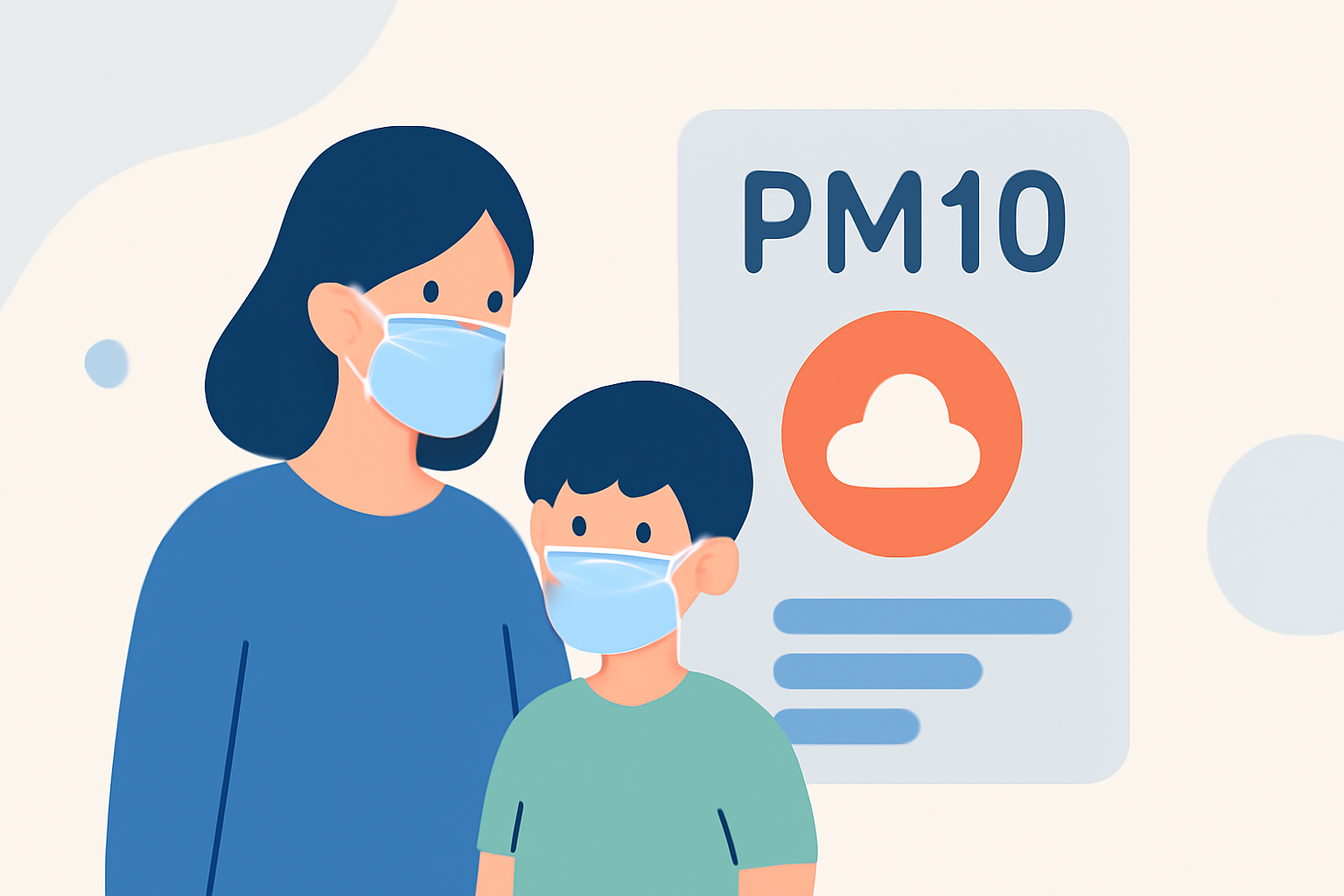
As a parent, ensuring the health and safety of your children is paramount. One aspect that significantly affects their well-being is the quality of the air they breathe. Particulate Matter (PM) pollution, particularly PM10, is a key factor in air quality that parents should understand.
What Are PM10 Levels and How Do They Affect Health?
What is PM10?
PM10 refers to inhalable particles with diameters generally 10 micrometers and smaller. These particles are small enough to be inhaled into the lungs, where they can cause health problems. Sources of PM10 include construction sites, unpaved roads, fields, smokestacks, and fires. (epa.gov)
Health Impacts of PM10
Exposure to PM10 can lead to various health issues, especially in children. These include respiratory problems, aggravated asthma, and other lung diseases. Children are particularly vulnerable because their lungs are still developing, and they tend to breathe more air per pound of body weight than adults. (epa.gov)
How Can Parents Protect Their Children from PM10 Exposure?
Stay Informed About Air Quality
Regularly check the Air Quality Index (AQI) for your area. The AQI provides information on the concentration of pollutants, including PM10, and indicates potential health risks. An AQI value of 100 generally corresponds to the level of the short-term National Ambient Air Quality Standard. (epa.gov)
Limit Outdoor Activities During High Pollution Periods
On days when the AQI indicates unhealthy levels of PM10, limit outdoor activities, especially strenuous ones, to reduce exposure. If outdoor activities are necessary, try to schedule them during times when pollution levels are lower.
Create a Clean Indoor Environment
Use air purifiers with HEPA filters to reduce indoor PM10 levels. Ensure that your home is well-ventilated, but avoid bringing in outdoor air during high pollution periods. Regular cleaning can also help reduce indoor dust and particles.
Advocate for Cleaner Air Policies
Support local and national policies aimed at reducing air pollution. Engage with community groups and participate in initiatives that promote cleaner air. Collective efforts can lead to significant improvements in air quality.
How Does Clime Help in Monitoring Air Quality?
Clime offers advanced air quality monitoring solutions that provide real-time data on PM10 levels and other pollutants. By utilizing Clime's services, parents can receive timely alerts and detailed reports, enabling them to make informed decisions to protect their families. Clime's user-friendly interface and comprehensive data empower parents to take proactive measures against air pollution.
Conclusion
Understanding PM10 levels and their impact on health is crucial for parents aiming to safeguard their children's well-being. By staying informed, limiting exposure during high pollution periods, and utilizing tools like Clime, parents can effectively manage and reduce the risks associated with particulate matter pollution.
Highlights:
- Particulate Matter (PM10) Trends | National Air Quality: Status and Trends of Key Air Pollutants | US EPA, Published on Wednesday, January 18
- Learn About Particle Pollution Designations | US EPA, Published on Sunday, March 15
- Patient Exposure and the Air Quality Index | US EPA, Published on Wednesday, May 20