
Understanding Pollen Counts: A Step-by-Step Guide
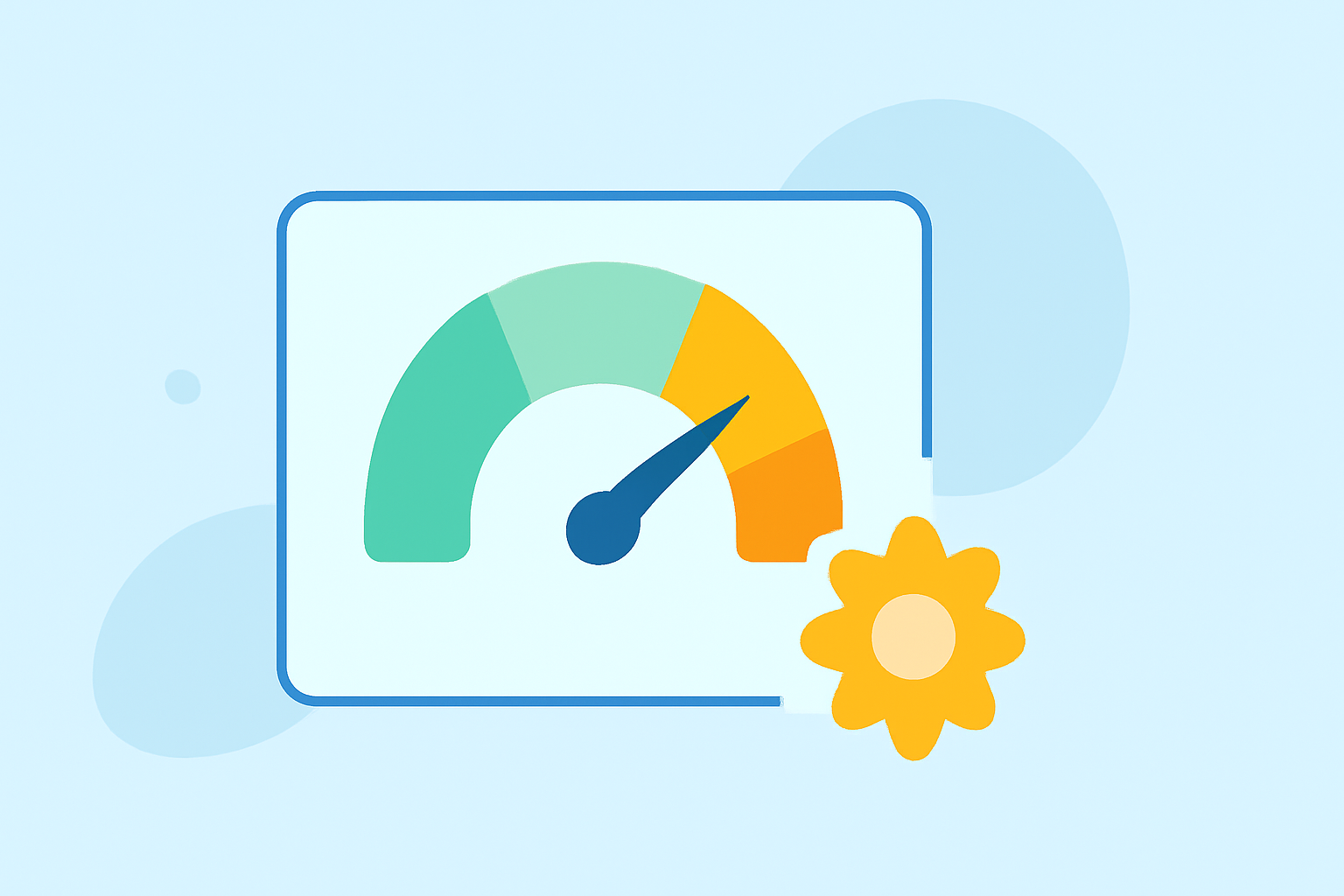
Pollen counts are essential for individuals sensitive to allergens, as they indicate the concentration of pollen in the air, helping to anticipate and manage allergy symptoms.
What Are Pollen Counts?
Pollen counts measure the number of pollen grains present in a cubic meter of air over a 24-hour period. These counts are crucial for those with pollen allergies, as higher levels can exacerbate symptoms like sneezing, itchy eyes, and congestion. (healthline.com)
How Are Pollen Counts Measured?
Pollen counts are typically measured using devices such as the Burkard trap, which draws air through a narrow slit at a rate designed to mimic human breathing. The air hits an adhesive tape that traps pollen grains as they pass through. A technician then examines the tape under a microscope, identifying and counting grains from a section that represents one cubic meter of air per day. (scienceinsights.org)
Understanding the Pollen Count Scale
Pollen counts are categorized based on the number of grains per cubic meter:
-
Low: 0 to 14 grains (trees), 0 to 4 grains (grasses), 0 to 9 grains (weeds)
-
Moderate: 15 to 89 grains (trees), 5 to 19 grains (grasses), 10 to 49 grains (weeds)
-
High: 90 to 1,499 grains (trees), 20 to 199 grains (grasses), 50 to 499 grains (weeds)
-
Very High: Over 1,500 grains (trees), over 200 grains (grasses), over 500 grains (weeds)
These thresholds help individuals understand the potential impact on their allergies. (healthline.com)
Factors Influencing Pollen Counts
Several environmental factors can affect pollen levels:
-
Weather Conditions: Warm, dry, and windy days tend to have higher pollen counts, while rain can temporarily reduce pollen levels. (scienceinsights.org)
-
Time of Day: Pollen counts often peak in the morning, between 5 a.m. and 10 a.m., and can fluctuate throughout the day. (pollen.com)
How to Monitor Pollen Counts
Staying informed about local pollen levels can aid in managing allergy symptoms:
-
Weather Apps and Websites: Many platforms provide pollen forecasts alongside weather updates.
-
Specialized Allergy Apps: Some applications offer detailed pollen counts and forecasts tailored to your location.
-
Local News and Health Organizations: Check local news outlets or health organizations for pollen count updates.
Managing Allergy Symptoms During High Pollen Days
On days with elevated pollen counts, consider the following strategies:
-
Limit Outdoor Activities: Stay indoors during peak pollen times, especially in the morning.
-
Keep Windows Closed: Prevent pollen from entering your home by keeping windows shut.
-
Use Air Purifiers: Employ air purifiers with HEPA filters to reduce indoor pollen levels.
-
Consult Healthcare Providers: Seek advice on appropriate medications or treatments to manage symptoms.
By understanding and monitoring pollen counts, individuals can make informed decisions to minimize exposure and effectively manage allergy symptoms.
Highlights:
- Pollen Count: What It Is and How to Track It, Published on Sunday, June 02
- Pollen Count: Answers to Four Frequently Asked Questions | Pollen.com, Published on Tuesday, February 27
- Pollen Count & How It Changes Throughout A Day | ZYRTEC®