
Understanding Pollen Counts: A Guide for Parents
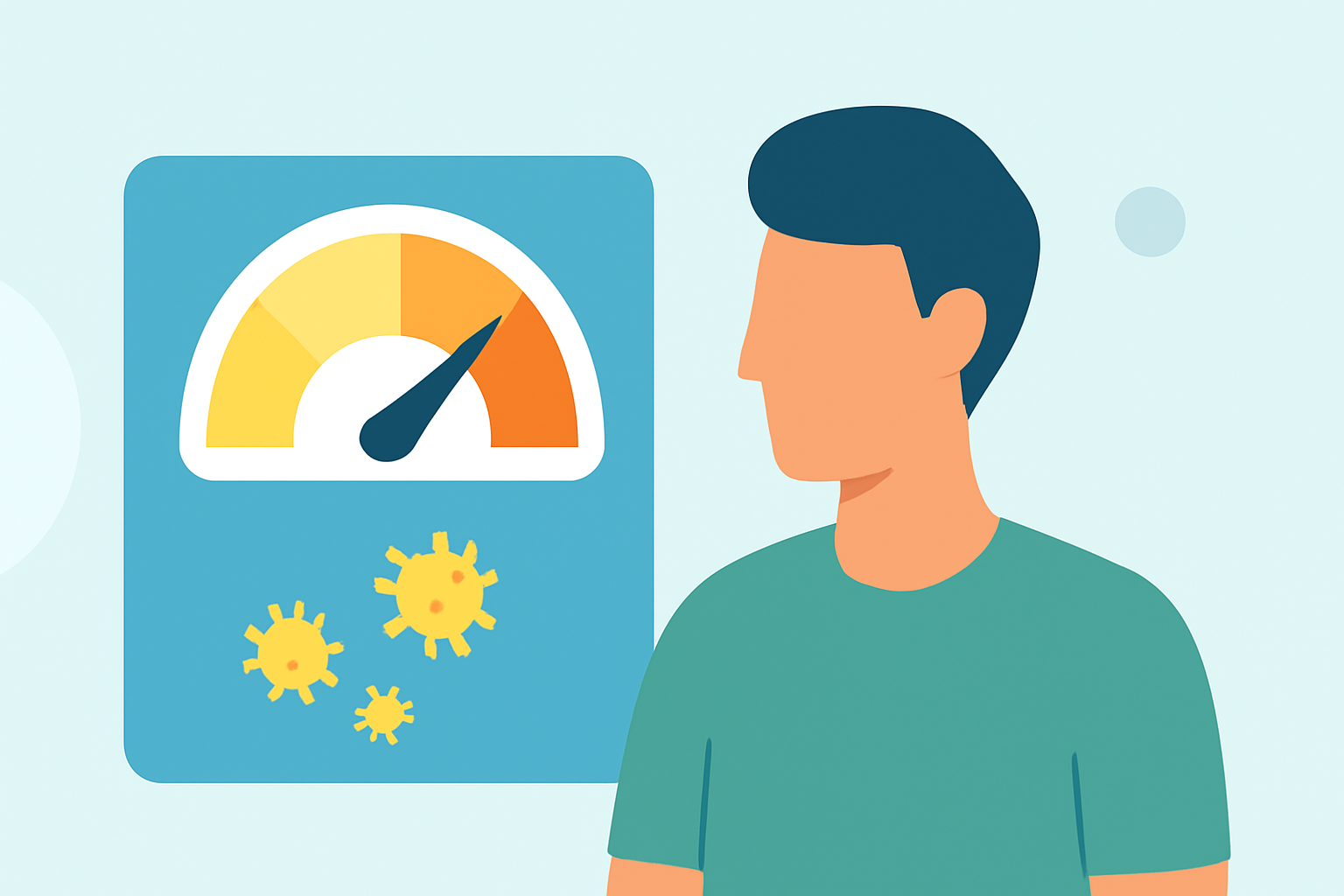
Pollen counts are a crucial factor in managing seasonal allergies, especially for children. Understanding what pollen counts are, how they are measured, and how to monitor them can help parents take proactive steps to minimize their children's exposure and alleviate allergy symptoms.
What Are Pollen Counts?
Pollen counts measure the concentration of pollen grains in the air, typically expressed as grains per cubic meter. These counts fluctuate daily and seasonally, influenced by factors such as plant species, weather conditions, and geographic location. Higher pollen counts are associated with increased allergy symptoms, including sneezing, runny nose, and itchy eyes. (healthline.com)
How Are Pollen Counts Measured?
Pollen counts are determined using specialized equipment that collects and analyzes airborne pollen. One common method involves using a Burkard trap, which draws air through a greased slide to capture pollen grains. A trained specialist then examines the sample under a microscope to identify and count the pollen types. The results are expressed as grains per cubic meter of air. (pollen.city)
What Factors Affect Pollen Counts?
Several factors influence pollen counts:
-
Plant Species: Different plants release pollen at various times of the year. For example, tree pollen is most prevalent in spring, grass pollen in summer, and weed pollen in fall. (my.clevelandclinic.org)
-
Weather Conditions: Warm, dry, and windy days can increase pollen dispersal, while rain can temporarily lower pollen levels. (healthline.com)
-
Geographic Location: Pollen seasons and concentrations vary by region, affecting local pollen counts.
How Do Pollen Counts Affect Children's Health?
Children exposed to high pollen counts may experience allergy symptoms such as sneezing, nasal congestion, and itchy eyes. In some cases, exposure can also trigger asthma symptoms. Monitoring pollen counts can help parents anticipate high-pollen days and take preventive measures. (kidshealth.org)
How Can Parents Monitor Pollen Counts?
Parents can stay informed about local pollen counts through:
-
Weather Forecasts: Many weather services provide daily pollen reports.
-
Specialized Apps and Websites: Platforms like Pollen.com offer real-time pollen count updates and forecasts. (pollen.com)
-
Local Health Departments: Some local health departments monitor and report pollen levels.
What Are the Pollen Count Categories?
Pollen counts are typically categorized as follows:
-
Low: 0 to 14 grains per cubic meter
-
Moderate: 15 to 89 grains per cubic meter
-
High: 90 to 1,499 grains per cubic meter
-
Very High: Over 1,500 grains per cubic meter
These categories help individuals gauge the potential impact on allergy symptoms. (healthline.com)
How Can Parents Reduce Children's Exposure to High Pollen Counts?
To minimize exposure during high pollen periods, parents can:
-
Keep Windows Closed: During high pollen days, keep windows and doors closed to prevent pollen from entering the home. (kidshealth.org)
-
Use Air Conditioning: Air conditioners can filter out pollen; ensure filters are clean.
-
Limit Outdoor Activities: On high pollen days, reduce outdoor activities, especially during midday and afternoon when pollen levels are highest.
-
Shower and Change Clothes: After being outdoors, have children shower and change clothes to remove pollen residues.
-
Use HEPA Filters: High-efficiency particulate air (HEPA) filters can help reduce indoor pollen levels.
How Does Clime Help in Managing Pollen Exposure?
Clime offers real-time pollen count updates and forecasts, allowing parents to monitor pollen levels in their area. By integrating Clime into daily routines, parents can make informed decisions about outdoor activities and take preventive measures to protect their children's health.
Conclusion
Understanding pollen counts is essential for managing children's seasonal allergies. By monitoring local pollen levels and implementing preventive strategies, parents can help reduce their children's exposure to allergens and alleviate allergy symptoms.
Highlights:
- Pollen Count: What It Is and How to Track It, Published on Sunday, June 02
- Everything to Know About Pollen Count | Allergy Insider | Allergy Insider
- Pollen Count: Answers to Four Frequently Asked Questions | Pollen.com, Published on Tuesday, February 27