
Understanding Pollen Forecasts: A Beginner's Guide to Respiratory Health During Allergy Season
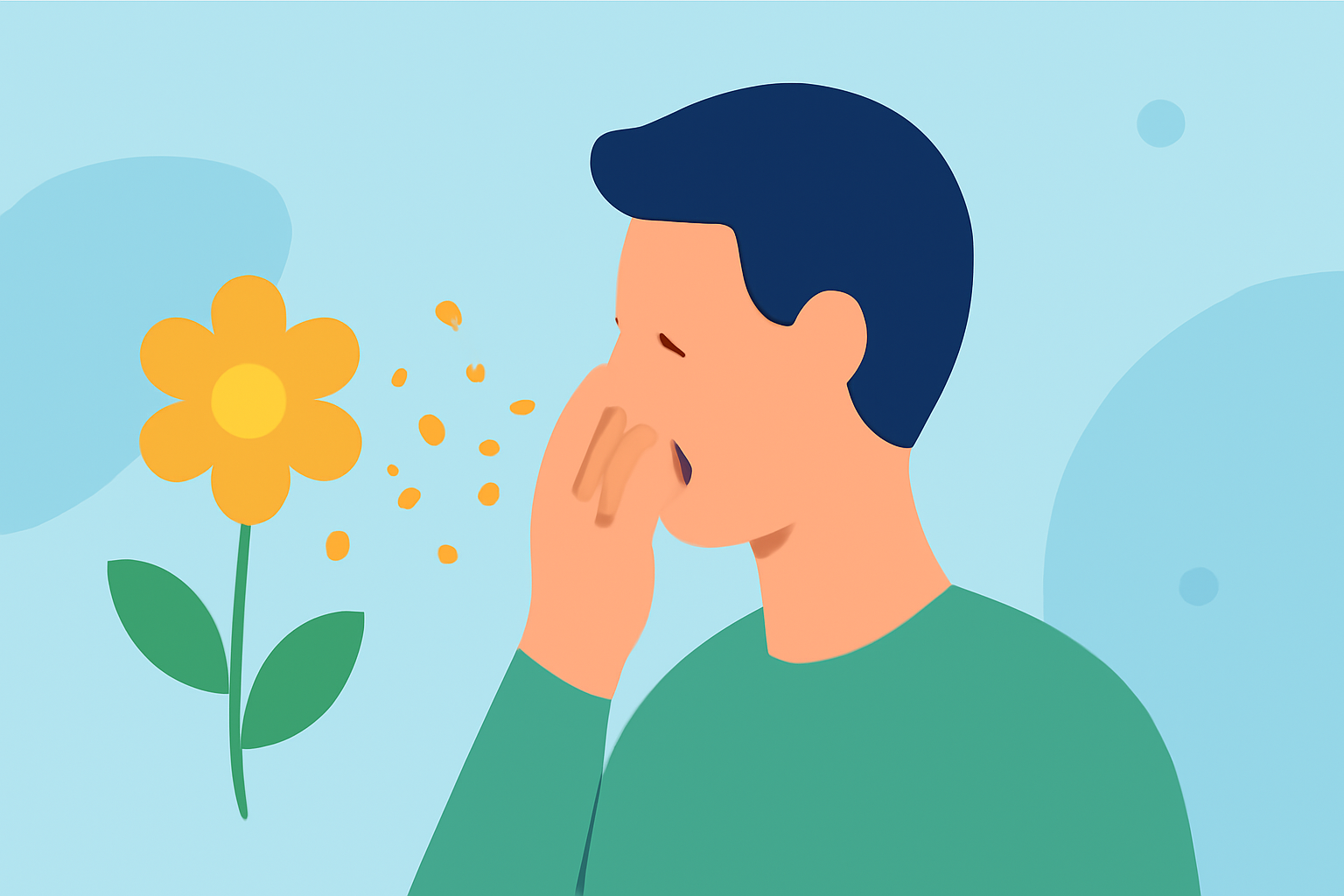
As allergy season approaches, understanding pollen forecasts becomes crucial for managing respiratory health. Pollen levels fluctuate daily and seasonally, affecting individuals differently based on their sensitivities.
What Are Pollen Forecasts?
Pollen forecasts predict the concentration of pollen in the air, helping individuals with allergies plan their activities. These forecasts typically categorize pollen levels as low, moderate, or high, indicating the potential impact on allergy sufferers.
How Are Pollen Levels Measured?
Pollen counts are measured in grains per cubic meter of air, collected over a 24-hour period. Certified pollen counting stations, such as those reporting to the National Allergy Bureau, provide these measurements. For example, Allergy Associates of La Crosse reports daily pollen counts, offering insights into local pollen levels. (lacrosseallergy.com)
Understanding Pollen Seasons
Pollen seasons vary by region and plant type:
-
Tree Pollen: Typically peaks from February to May, with species like oak, birch, and cedar releasing pollen.
-
Grass Pollen: Generally peaks from May to July, with grasses such as Bermuda and Timothy being common culprits.
-
Weed Pollen: Usually peaks from August to November, with ragweed being a significant contributor.
Understanding these patterns helps in anticipating and managing exposure. (mypollenpal.com)
How to Use Pollen Forecasts Effectively
-
Check Local Forecasts Regularly: Stay updated with daily pollen counts in your area to plan outdoor activities accordingly.
-
Limit Outdoor Exposure: On days with high pollen levels, consider staying indoors, especially during peak pollen times, typically mid-morning to early afternoon.
-
Keep Windows Closed: Prevent pollen from entering your home by keeping windows closed during high pollen days.
-
Use Air Purifiers: Employ air purifiers with HEPA filters to reduce indoor pollen levels.
-
Shower After Outdoor Activities: Remove pollen from your skin and hair by showering after spending time outside.
Clime's Role in Managing Pollen Exposure
Clime offers a comprehensive solution for monitoring and managing pollen exposure. By providing real-time pollen forecasts and personalized health insights, Clime empowers users to make informed decisions about their daily activities, thereby supporting respiratory health during allergy season.
Conclusion
Understanding and utilizing pollen forecasts are essential steps in managing respiratory health during allergy season. By staying informed and taking proactive measures, individuals can reduce exposure to allergens and alleviate symptoms. Tools like Clime can further enhance this process, offering tailored information to support well-being.
Highlights:
- 2026 Allergy Forecast: When Will Pollen Be Bad Across the US? - YouTube, Published on Tuesday, March 03